
Featured in
- Published 20240206
- ISBN: 978-1-922212-92-4
- Extent: 204pp
- Paperback, ePub, PDF, Kindle compatible
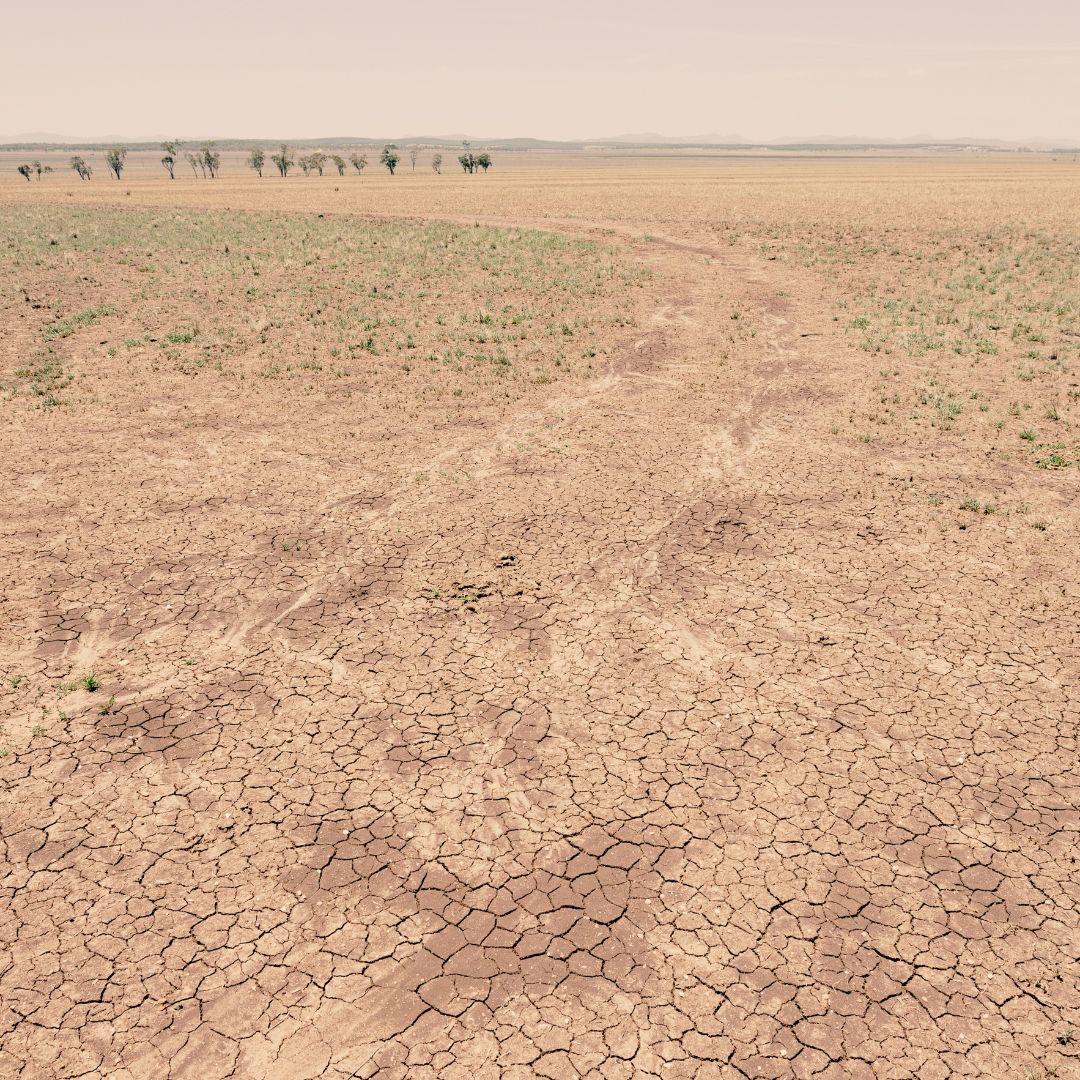
The first roll I developed,
with its saturated drought-skin
landscapes, spliced
my hometown into a sepia
I could almost swallow.
Five sheep and a fence line –
overexposed spinifex –
Dad’s face in a motorbike mirror –
before. I had been starving,
and the ritual stuck.
Roll by roll. Grain by grain.
Sometimes, when I’m tired
of my own eyes,
I slip the lens cap into my pocket,
its hard little circle
pressing into my hip
as I walk this big soft circle earth
incompletely.
I need to shear my experience of everything
but its texture. Cauterise the moment.
The cattle grate –
the kangaroos –
the manic flick of crickets
in the waterless tank.
History is a heavy handful
and a sore neck, but it
is safer than memory.
You don’t see their little fried bodies.
Only the jump.
Share article
About the author

Alisha Brown
Alisha Brown is a poet and traveller born on Kamilaroi land. She won the 2022 Joyce Parkes Women’s Writing Prize and placed second in...
More from this edition

Which way, Western artist?
Non-fiction Michael Zavros, Bad Dad 2013, oil on canvas, 110 x 150 cm INSIDE YOU THERE are two wolves. Their names are Mark Fisher and Camille...

Things come together
Poetry After a photo by Annie Leibovitz of Johnny Cash with his grandson Joseph, Rosanne Cash and June Carter Cash, Hiltons, Virginia, 2001 It only takes...
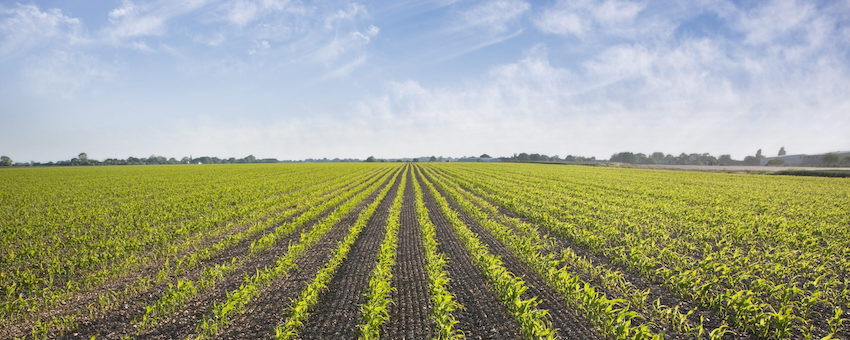
Farming futures
Non-fictionThe tempo of seasonal food production gives Mildura its seductive groove. The race is on to get food to market when prices are high and before it wilts and rots. But this race is only incidentally about food and mainly about finance. When markets fail or supply chains are disrupted, harvests are bitter. Watermelons, zucchinis and lettuces are ploughed back into the ground. Grapes are left hanging on vines, sitting in coolrooms and rotting in shipping containers grounded at ports.
