
Featured in
- Published 20230502
- ISBN: 978-1-922212-83-2
- Extent: 264pp
- Paperback (234 x 153mm), eBook

Already a subscriber? Sign in here
If you are an educator or student wishing to access content for study purposes please contact us at griffithreview@griffith.edu.au
Share article
About the author
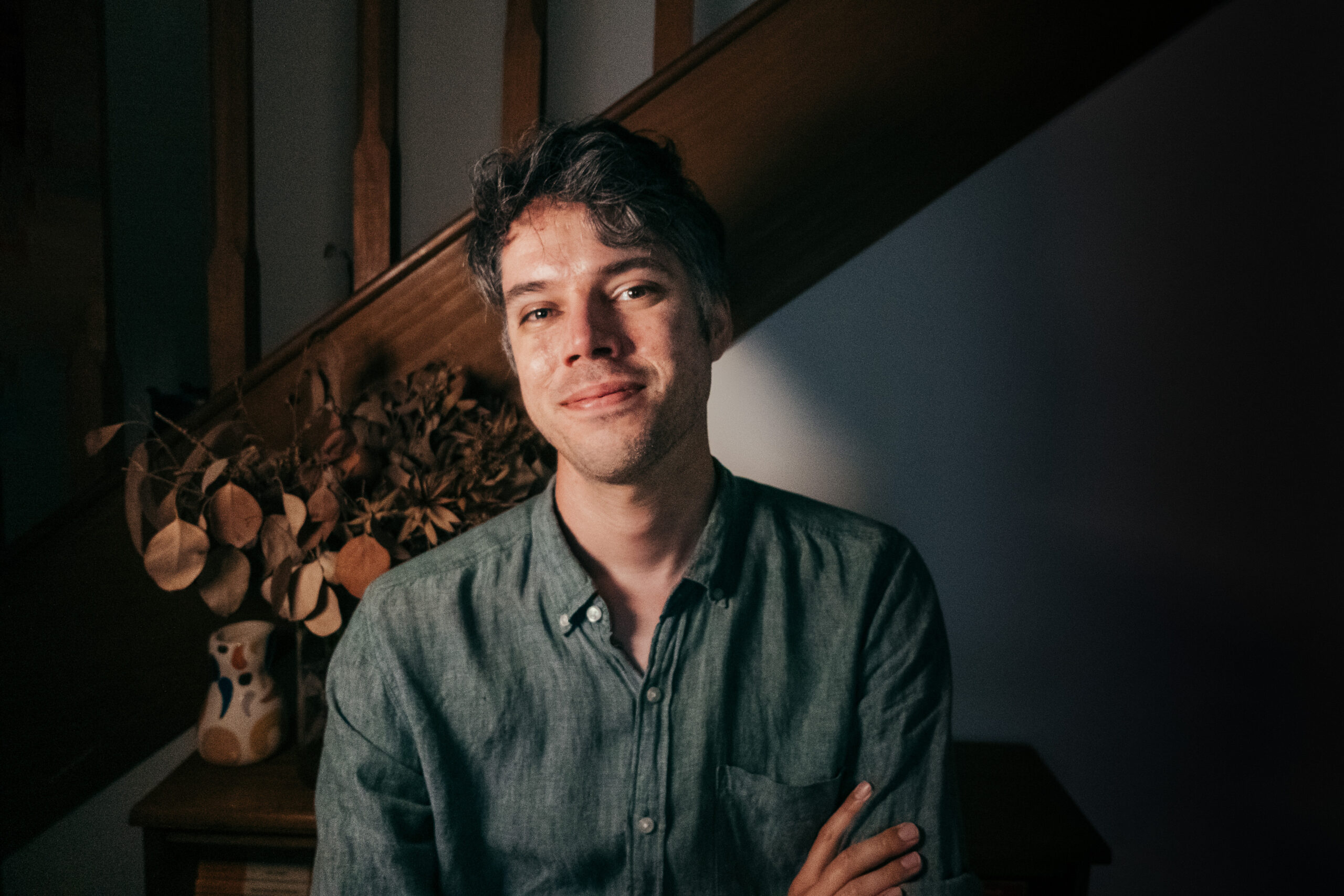
Connor Tomas O’Brien
Connor Tomas O’Brien teaches in the Professional Writing and Editing program at RMIT University and runs a design studio for environmental organisations and non-profits.
More from this edition
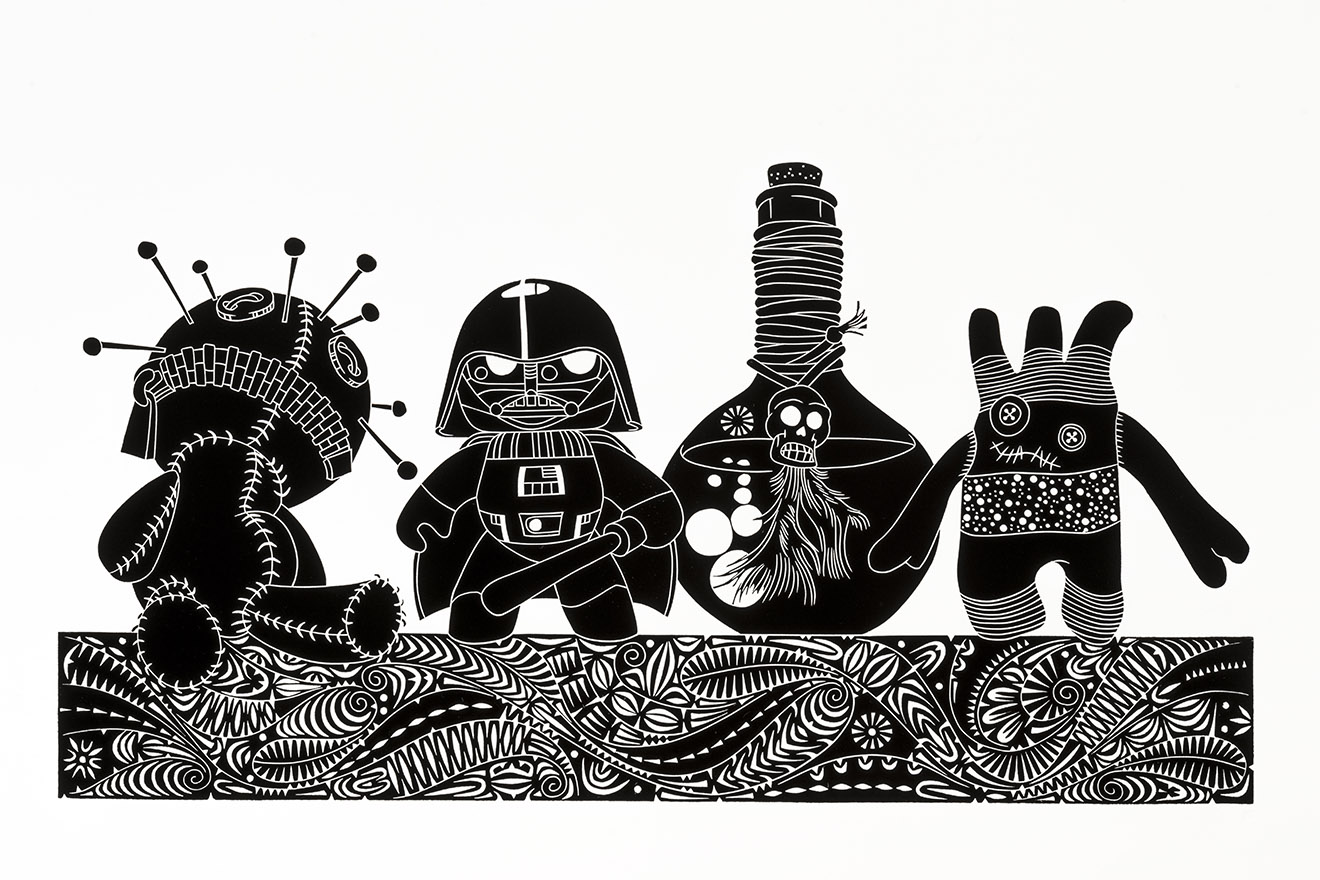
Pop mythology
In ConversationEven though I grew up on a small, remote island, I was still heavily influenced by television – particularly the sort of cartoons that would play on Saturday mornings, mornings before school, after school and so on. When it comes to DC and Marvel and all of those superheroes, for me that was ignited by my late grandfather Ali Drummond, my mother’s father, who had boxes of Phantom comics. Phantom was my early introduction to the strong, powerful male being who had supernatural strength and abilities.
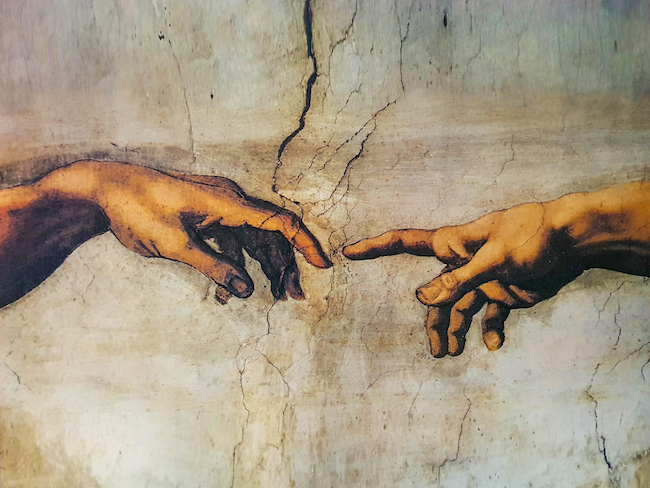
Let there be light
IntroductionWhether they’re personal, cultural or religious, these are the stories that offer us ways of orienting ourselves amid the sheer chaos and confusion of being alive – particularly today, as humanity’s existential and environmental crises continue to mount.
A Little Box
PoetryAnd didn’t I grant you six identical faces, each perfectly plain as the other and a sturdy mouth to clasp shut?
