
Featured in
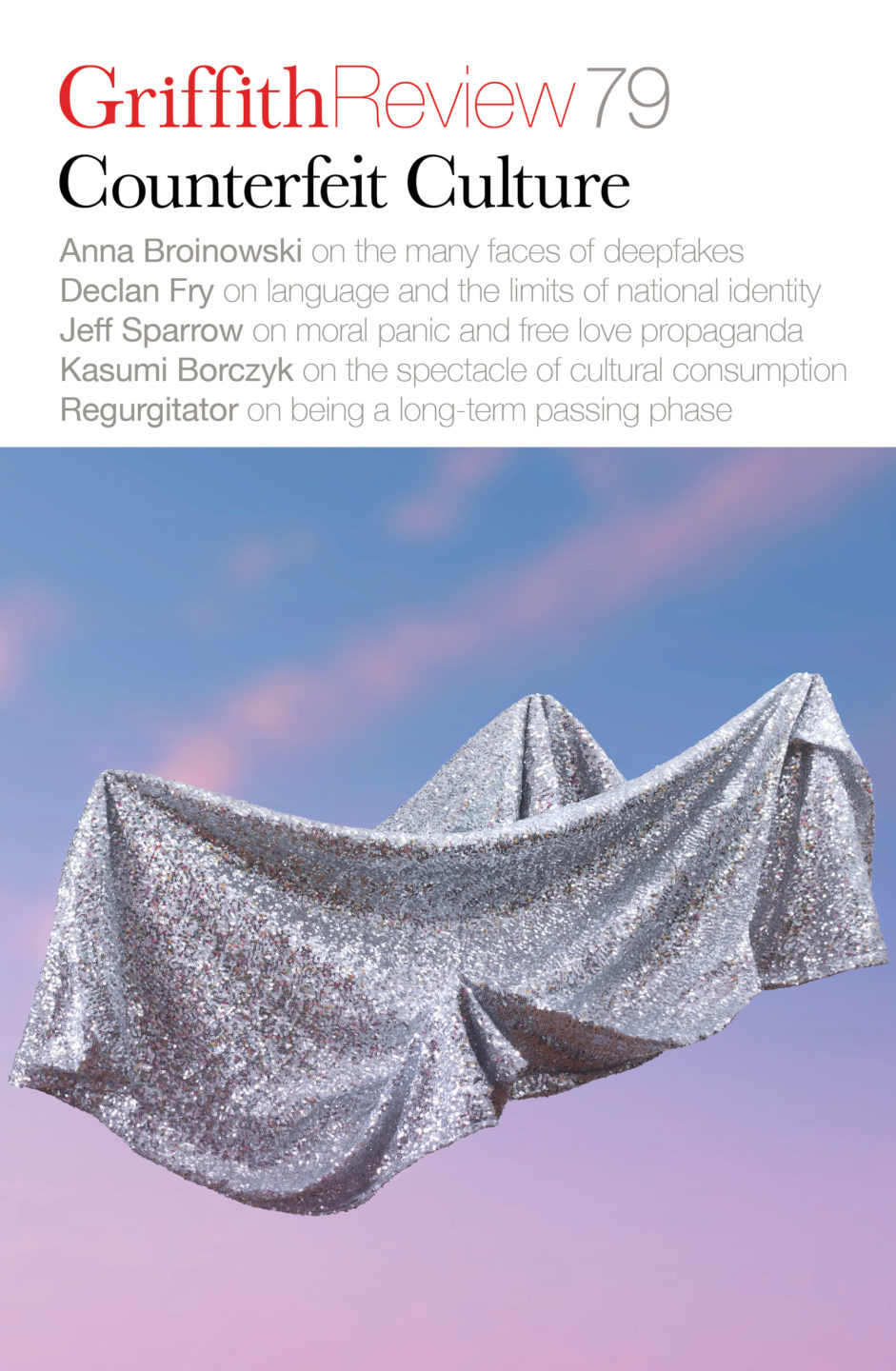
- Published 20230207
- ISBN: 978-1-922212-80-1
- Extent: 264pp
- Paperback (234 x 153mm), eBook
Already a subscriber? Sign in here
If you are an educator or student wishing to access content for study purposes please contact us at griffithreview@griffith.edu.au
Share article
More from author

Everything you could possibly imagine
FictionJoseph was one of the only patients I’d truly enjoyed interacting with, which for the weeks since his arrival had helped me cope with the ward’s sense of monotony. His beard was like a cartoon lumberjack’s, descending into a fine point and thick enough to hold objects if they were stuck into it – which, of course, we’d tried. His eyebrows erupted like old-growth forest across his forehead, almost demanding to be touched – which, of course, I hadn’t.
More from this edition

Will we dance when it’s over?
Non-fiction These men are simply lost to the storm, no longer spoken about. But why does the response to the loss of human life, and a reckoning with their intentions, feel just as detached as the reaction to the disappearance of a cartoonish avatar? The stakes in our real world have reached a point so high, so close to apocalypse, that they’ve disappeared entirely. We are gripped by a nihilism and unnerving sense of unreality, and so we don’t receive the messages others are trying to send to us.

The trick that tells the truth
Non-fictionAs subjects of late capitalism, we’ve become inured to the amoral cynicism inherent in relentless corporate marketing; yet both the good faith of our human nature and the susceptibility of our lizard brains ensure that we also remain receptive... In 2020, the disjunction between AGL’s public relations and the truth of the company’s business practices was highlighted and ridiculed in the public realm, ending in a court case of profound significance on Australia’s twisted road to belated action on climate change.
Cusp
FictionWe were going to visit Patience’s supervisor Callista, a tenured senior lecturer in literature and cultural studies, though her strange, ageless grace made the word senior feel like a misnomer. I knew Patience would have chided me for this, saying it showed both my ageism and internalised misogyny, so these were among the thoughts I kept to myself.
