
Featured in
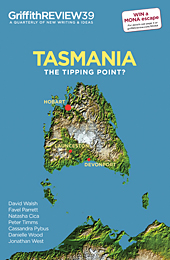
- Published 20130305
- ISBN: 9781922079961
- Extent: 264 pp
- Paperback (234 x 153mm), eBook

Already a subscriber? Sign in here
If you are an educator or student wishing to access content for study purposes please contact us at griffithreview@griffith.edu.au
Share article
About the author

Greg Lehman
Greg Lehman is a Visiting Indigenous Research Fellow at the Australian Institute of Aboriginal and Torres Strait Islander Studies.He is currently researching the work...
More from this edition
Overcoming adolescence
GR OnlineTASMANIA HAS NEVER been for the faint-hearted. Set against a majestic if somewhat eerie landscape, its often-bizarre political machinations emerge from a history with...
Damming
FictionPATRICK SWIMS THROUGH the mountains. The eddies waver them. They're the colour of oil slick. The light blushes his cheeks. He's swimming breaststroke. It's...
Obstacles to progress
EssayFOR MOST TASMANIANS a darker reality lies behind the seductive tourism brochures showcasing the state's pristine wilderness, gourmet-magazine articles celebrating its burgeoning food culture, and newspaper stories gasping at a world-leading art museum.
