
Featured in
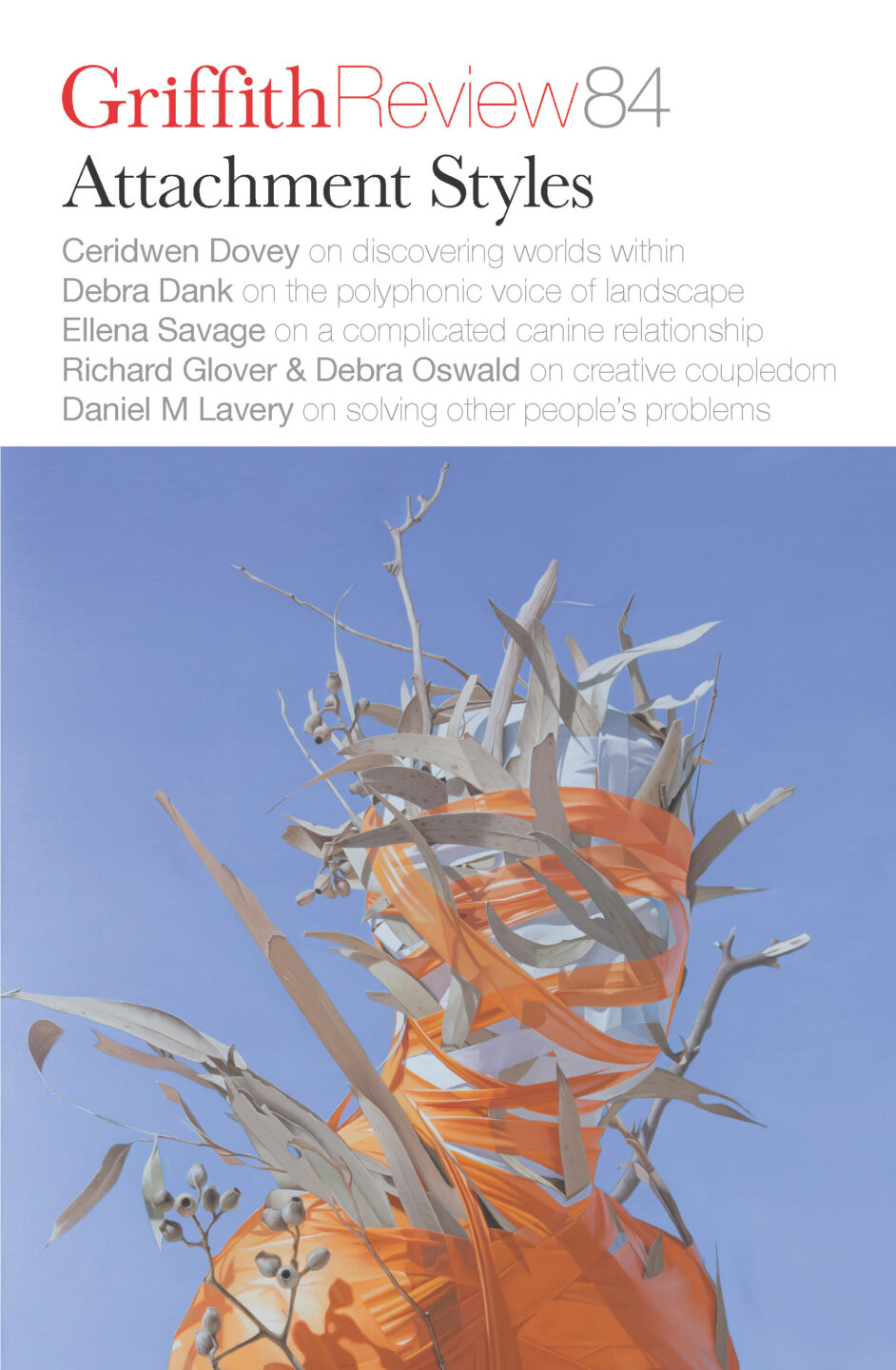
- Published 20240507
- ISBN: 978-1-922212-95-5
- Extent: 203pp
- Paperback, ePub, PDF, Kindle compatible
Already a subscriber? Sign in here
If you are an educator or student wishing to access content for study purposes please contact us at griffithreview@griffith.edu.au
Share article
More from author

Heart and history
Yasmin Smith is a poet and editor of South Sea Islander, Kabi Kabi, Northern Cheyenne and English heritage. Her work has appeared in Overland, Meanjin, frankie magazine, and Island. In 2024, she won the Nakata Brophy Prize for her poem ‘Dawning in the Rivulet of My Father’s Mourning’ and the Gwen Harwood Poetry Prize for ‘The Burial Feathers’. In addition to her writing pursuits, Yasmin works as an editor.
More from this edition

picker
Poetry light’s tacked to the window i want it to pick at me eat me like fairy floss or a scab you say it’s sexual frustration i pick at...

Origin stories
Non-fictionI CAN MAP your life by what was lost. History (personal and other). Culture. Language. Identity. Home, and all the references to you that it could have held. The very idea of home. The streets you would have walked down, streets that know the history of your family, of those who came before you. The chance to be the version of yourself who grew up with your biological family. The stories that should have been your birthright.

The whole truth
Non-fictionActing methods...have remarkable similarities to spiritual cults. They have leaders, dogmas, even seminal texts. They have supervised rites and orthodox practices. They have stages of enlightenment, and trained leaders who will inform you whether you’ve reached such heights (and you usually haven’t, unless you’re sleeping with the leader in question).
