
Featured in
- Published 20230502
- ISBN: 978-1-922212-83-2
- Extent: 264pp
- Paperback (234 x 153mm), eBook

Already a subscriber? Sign in here
If you are an educator or student wishing to access content for study purposes please contact us at griffithreview@griffith.edu.au
Share article
About the author
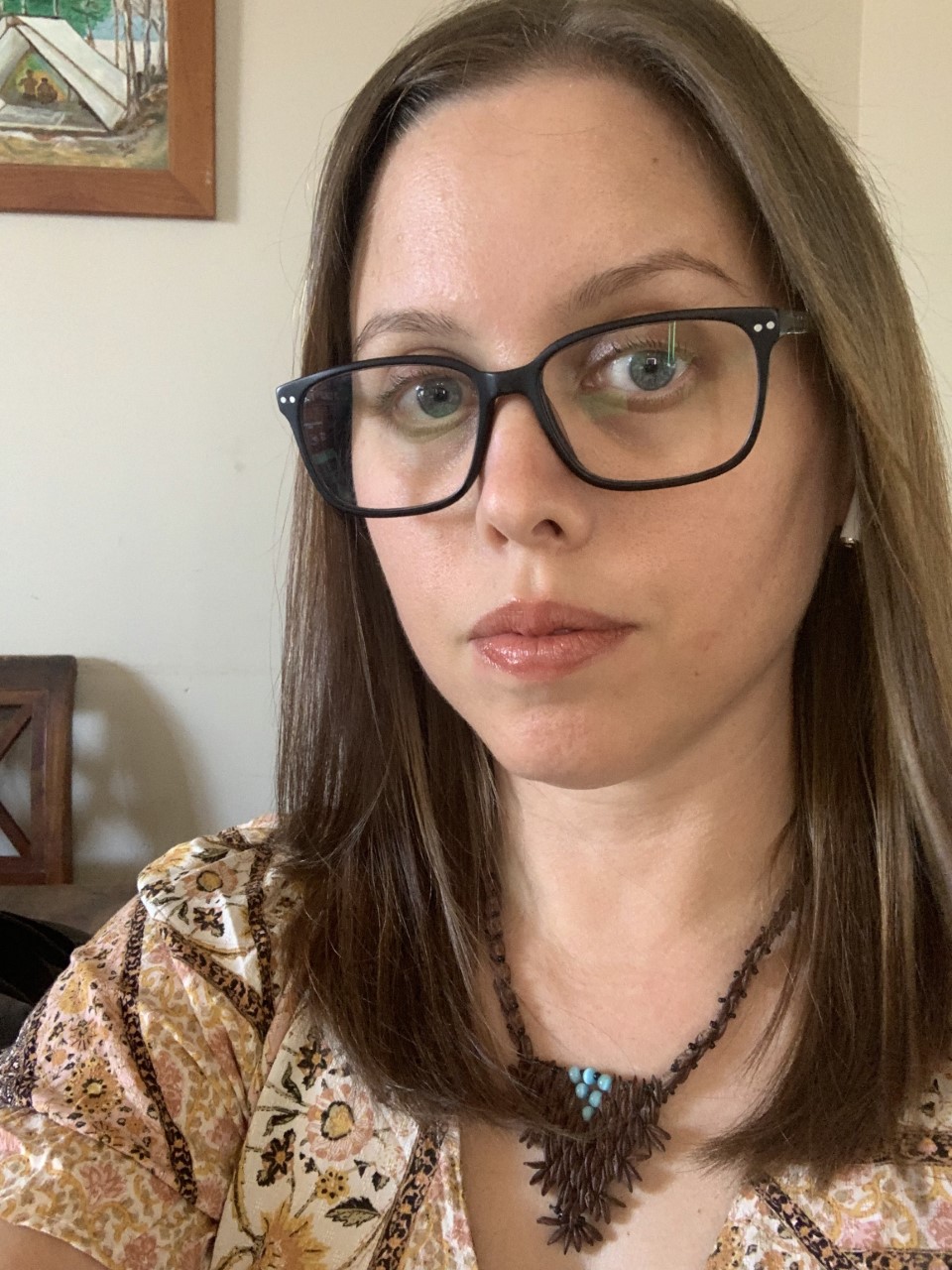
Natalia Figueroa Barroso
Natalia Figueroa Barroso is a Uruguayan-Australian writer of Charrúa, African and Iberian origins who was raised between the unceded lands of Charrúa Nation and...
More from this edition

To sing, to say
Non-fictionHow poetry works – its oracular way, its indirection – is how land works, he saw. Land as a teacher, as an embodiment not only of its own intergrity but of human aspirations and virtues like hope and beauty; land as an educator of the senses; land as a measure against which to prove and compare one’s own and others’ lives, as a theatre for the divine comedy of all human life; land as an elder, as a god, as a library...

Medea – towards the end
PoetryShe wanted to confuse the staff and brings in a pebble from the garden as suggested, placing it into the pocket of the man in the next room.
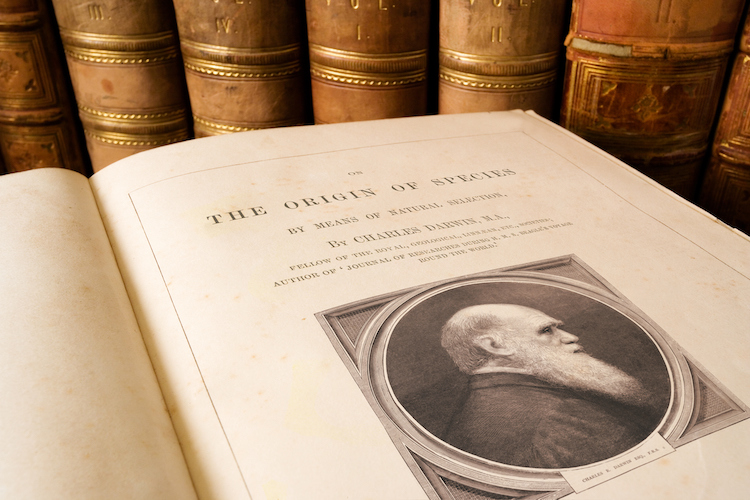
The age of discovery
In ConversationPrior to Homo sapiens, populations might have just moved on or gone extinct in the face of environmental risks, whereas with Homo sapiens we were able to disperse widely across the world despite great ecological challenges. The underlying reason for that may be rooted in our social relations, our high level of co-operation – we don’t necessarily see that with earlier human species.
