
Featured in
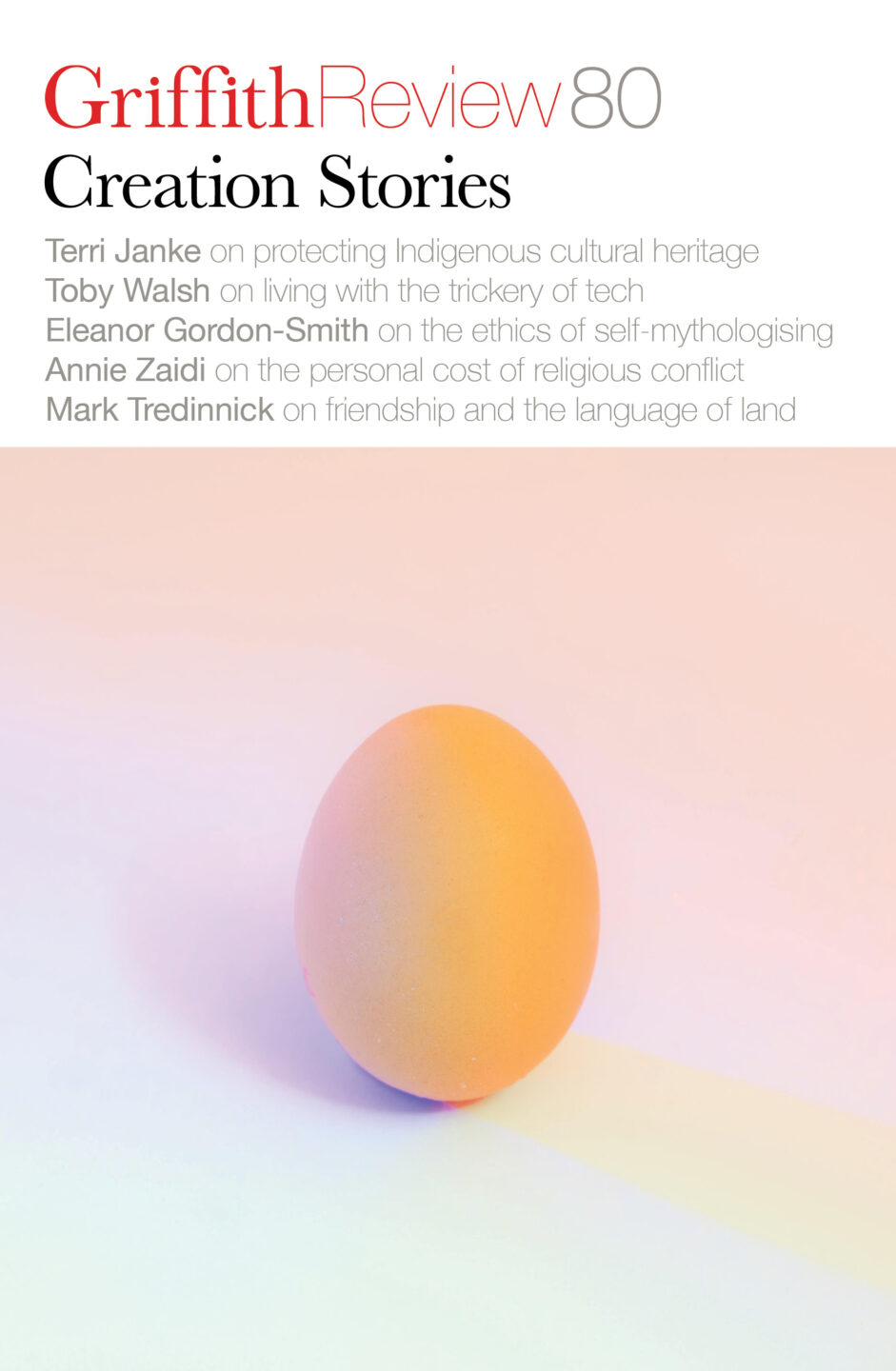
- Published 20230502
- ISBN: 978-1-922212-83-2
- Extent: 264pp
- Paperback (234 x 153mm), eBook
Already a subscriber? Sign in here
If you are an educator or student wishing to access content for study purposes please contact us at griffithreview@griffith.edu.au
Share article
More from this edition
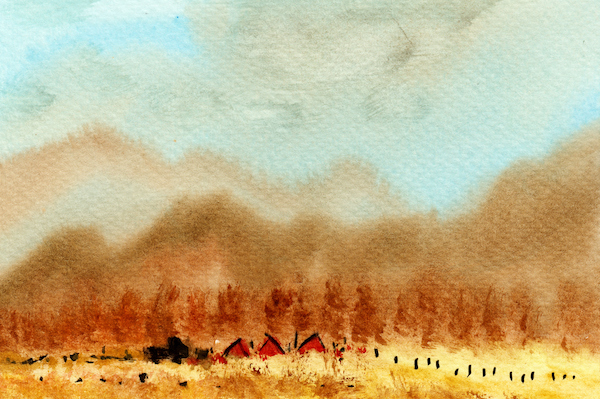
Back to the red earth
FictionBefore she opens her eyes, she knows with the very same certainty that she is of this land that Juanjo, her lover and the father of her five guris, isn’t going to be asleep by her side. But she could for once be wrong. So, she stretches out her arm and feels around. Instead, her fingertips touch his perfectly tucked-in bedsheet. His side of the bed is vacant like the rows of this year’s failed crop.
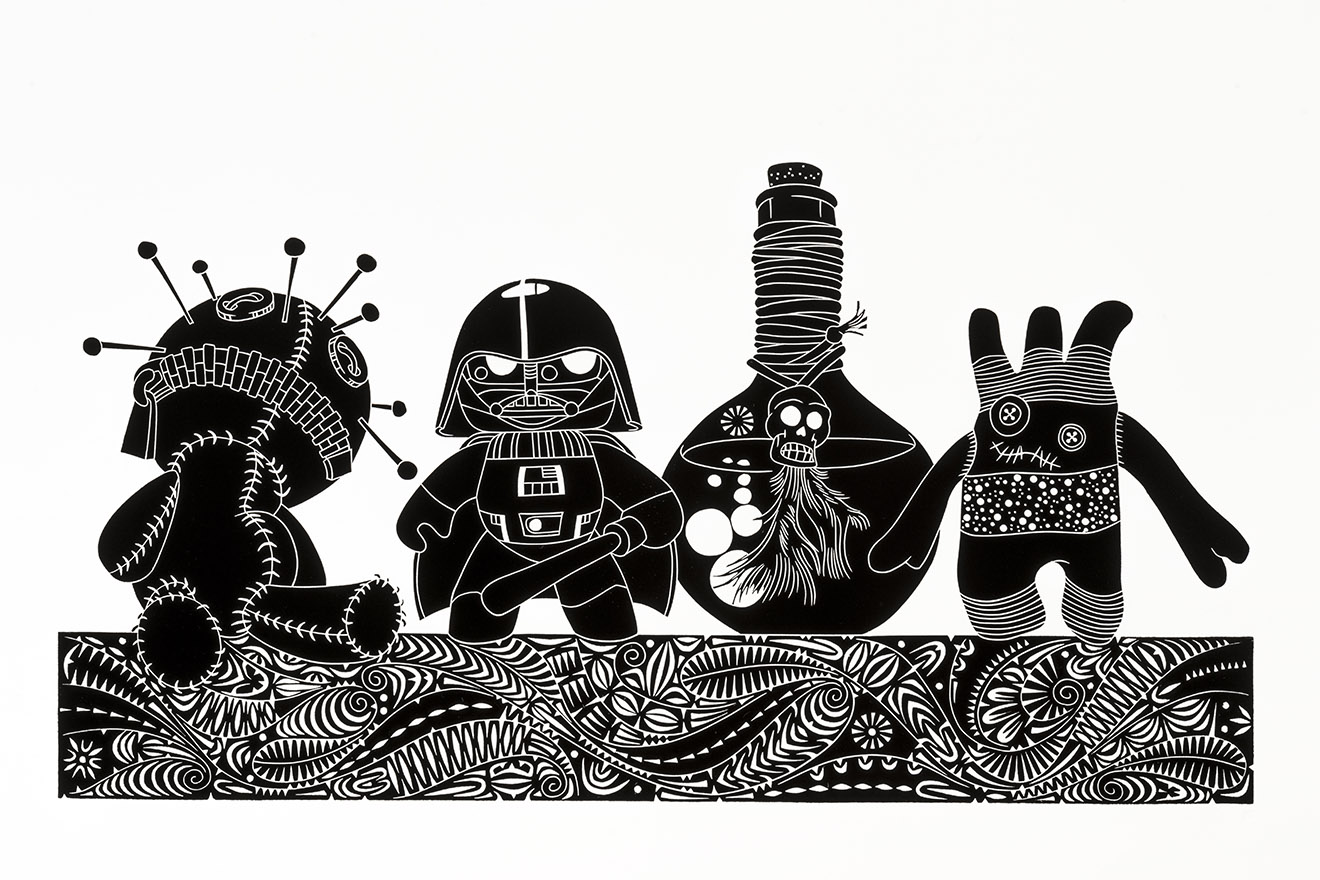
Pop mythology
In ConversationEven though I grew up on a small, remote island, I was still heavily influenced by television – particularly the sort of cartoons that would play on Saturday mornings, mornings before school, after school and so on. When it comes to DC and Marvel and all of those superheroes, for me that was ignited by my late grandfather Ali Drummond, my mother’s father, who had boxes of Phantom comics. Phantom was my early introduction to the strong, powerful male being who had supernatural strength and abilities.
Have you ever seen the rain?
FictionOne by one the streets quietened down. A great hush washed over this city. Even the lights at night seemed dimmer. All of life lay dormant. Or maybe not – Toru couldn’t trust his eyes, could he? He had been living on the streets in the clothes he died in, scrounging food from tables outside restaurants and cafés around the city, but those tables were long gone.
