
Featured in
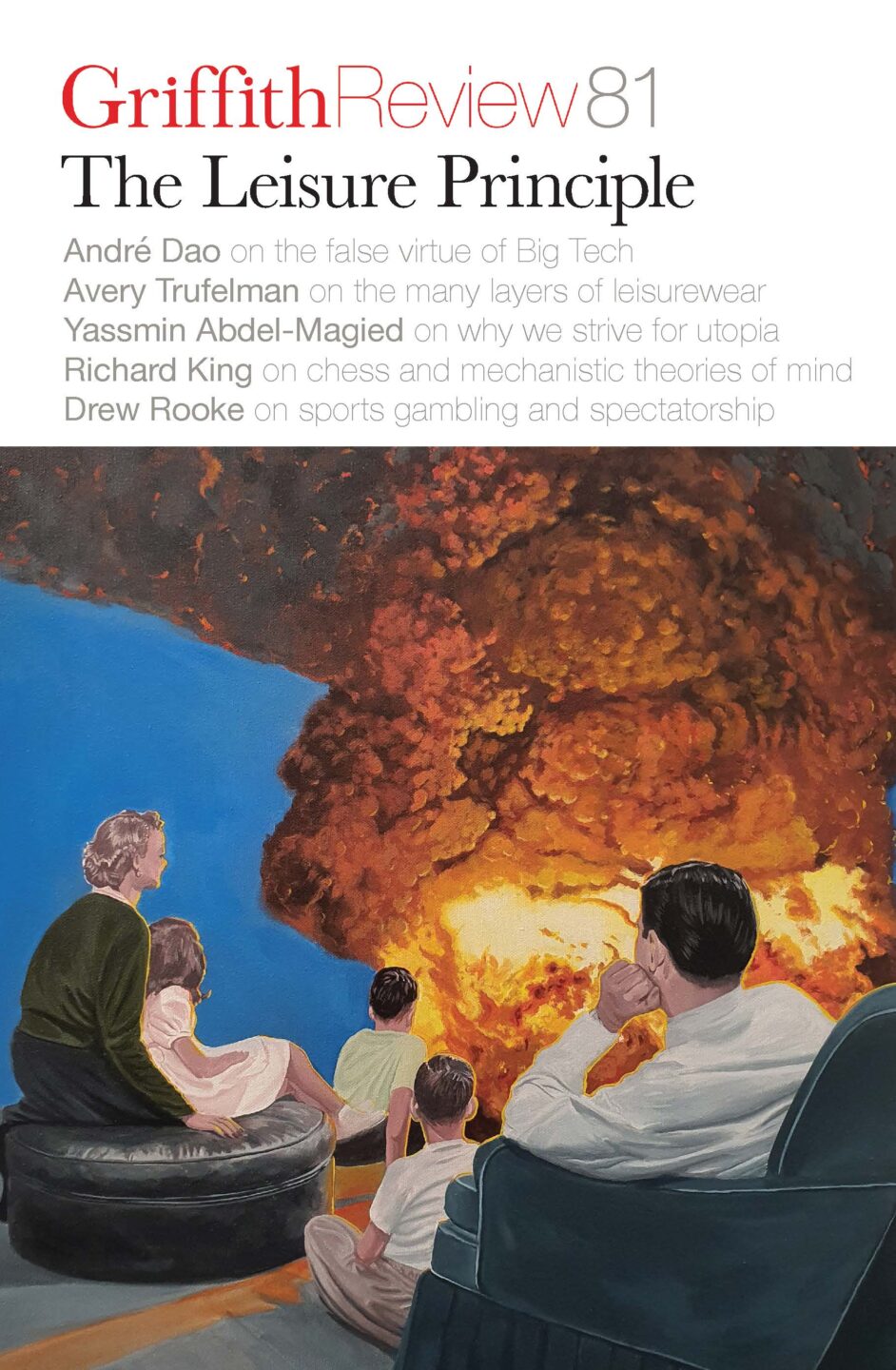
- Published 20230801
- ISBN: 978-1-922212-86-3
- Extent: 200pp
- Paperback (234 x 153mm), eBook


Already a subscriber? Sign in here
If you are an educator or student wishing to access content for study purposes please contact us at griffithreview@griffith.edu.au
Share article
More from author

Hidden tracks
Non-fictionYoung and Kucyk are as good at tracking down hard-to-find people as they are at tracking down hard-to-find music, although sometimes they do reach dead ends. Their methods aren’t particularly advanced and are often helped by luck. Sometimes they’ll raid the White Pages. Sometimes they’ll search for relatives of musicians online. Sometimes – as in the case of another song on Someone Like Me – they’ll scour through five years’ worth of archived weekly newsletters from a Seventh Day Adventist Church in the UK and Ireland and spot a tiny article that contains the full name of a mysterious musician they’re trying to find.
More from this edition

Lying on grass
FictionJamie wishes he could be more like Todd. Not because Todd’s excellent, but because he figures out what he wants and does it. As they pull out bits and pieces from the skip to build their drum sets, Jamie thinks about how he wants to be free, but doesn’t know if that’s something a person can ‘do’. After a while they’ve constructed two sets side by side at the front of the driveway. They’re not buckets, tins or lids: they’re tom drums, snare drums and cymbals.

‘A world we must defend’
Non-fictionSchools across Australia banned Pokémon in an attempt to regain control, but this only caused the franchise mania to intensify. Now Pokémon wasn’t just fun – it was also illegal, which meant it was dangerous, which meant trading cards on campus made you a risk-taker, which meant you were seen as fearless, which meant that you were dangerous.
Sonnet for the weekend
Poetry Glory to God for long weekends,for lattes served by obsequious baristas,sunnied eggs and bacon with the crispy ends,for an empty park in front of...
