
Featured in

- Published 20210803
- ISBN: 978-1-922212-62-7
- Extent: 264pp
- Paperback (234 x 153mm), eBook

Already a subscriber? Sign in here
If you are an educator or student wishing to access content for study purposes please contact us at griffithreview@griffith.edu.au
Share article
More from author

Steering upriver
Non-fictionAt dawn I cross the bridge, Missouri to Iowa, and turn down the gravel drive. Though I’m different now, this place is the same as it always is this time of year: the sun glowing red over the paddock next door, the grass not yet green, the maple stark. I go away, come back again, and home is like a photograph where time winds back, slows into stasis; where the carpet has changed, but the dishes have not, the cookbooks have not, the piano and artwork and bath towels have not. Here, I can be a child again, my best self, briefly. I hold on to this moment for as long as I can, because too soon I’ll remember how disobedient I am, how bossy and domineering, how I slammed my door until Dad took it off its hinges, how soap tastes in my mouth, how I pushed on these walls until they subsided.
More from this edition
Musique concrète
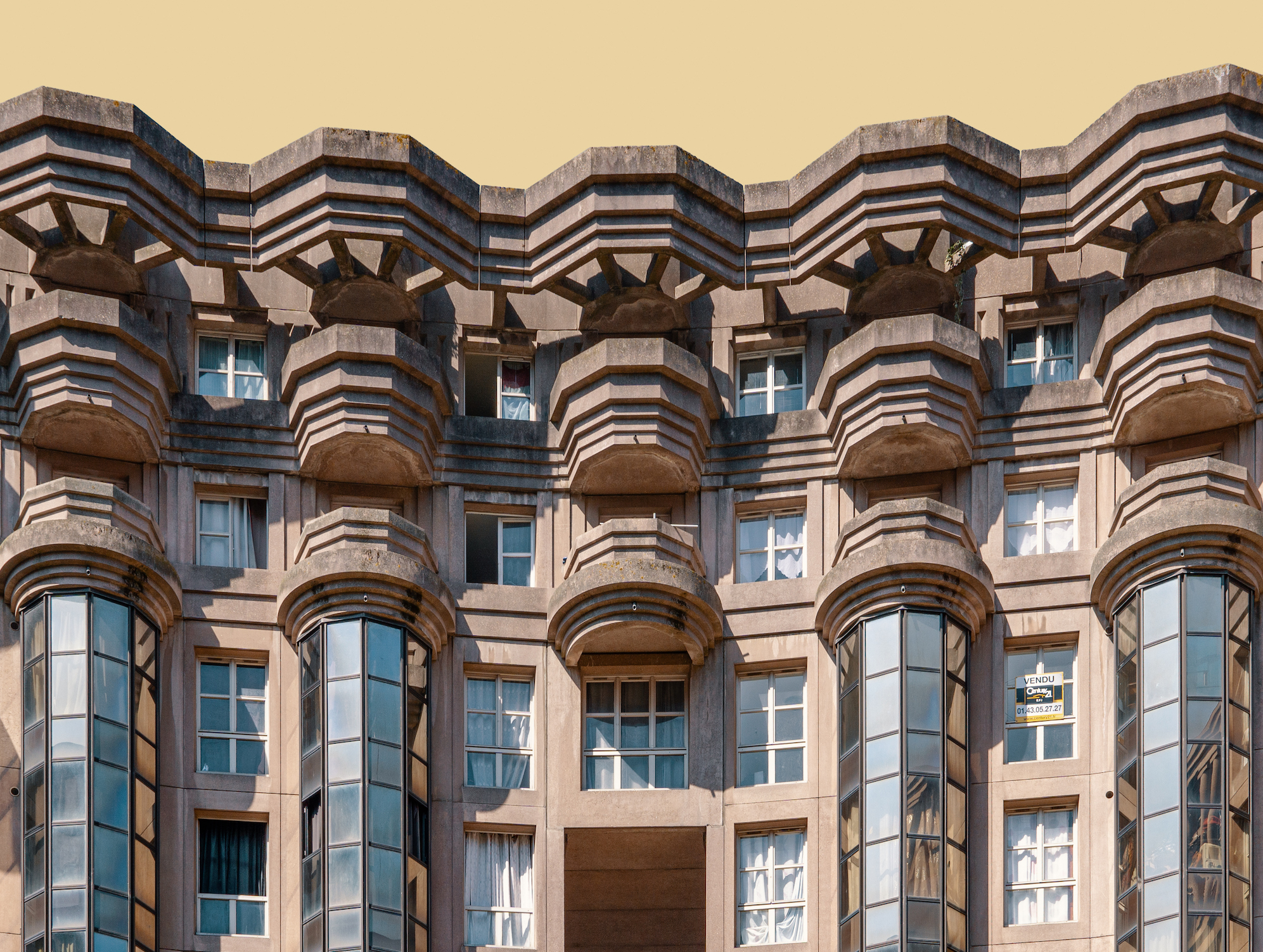
InterviewThe original brutalism is the projection, in concrete, of strong social ideals. It’s also the architectural sedimentation of a given period: the hopeful ’50s up to the ’70s. But to me more personally, it’s a totally alien form of architecture: in my hometown, most of the buildings are small and made of wood. So raw concrete, sign me up! I was hooked very early on: I remember very fondly some of the brutalist buildings in Halifax, Nova Scotia, from my travels in Canada as a kid.

Reframing the thought
experiment
IntroductionClick here to listen to Editor Ashley Hay read her introduction ‘Reframing the thought experiment’. IT WAS ONLY recently that I learnt about aphantasia, a condition in which...

New world dreams
EssayEREWHON. SOUNDS WELSH – the soft ‘h’. That’s what I thought when I first saw the word on the higgledy-piggledy front fence of a...
