
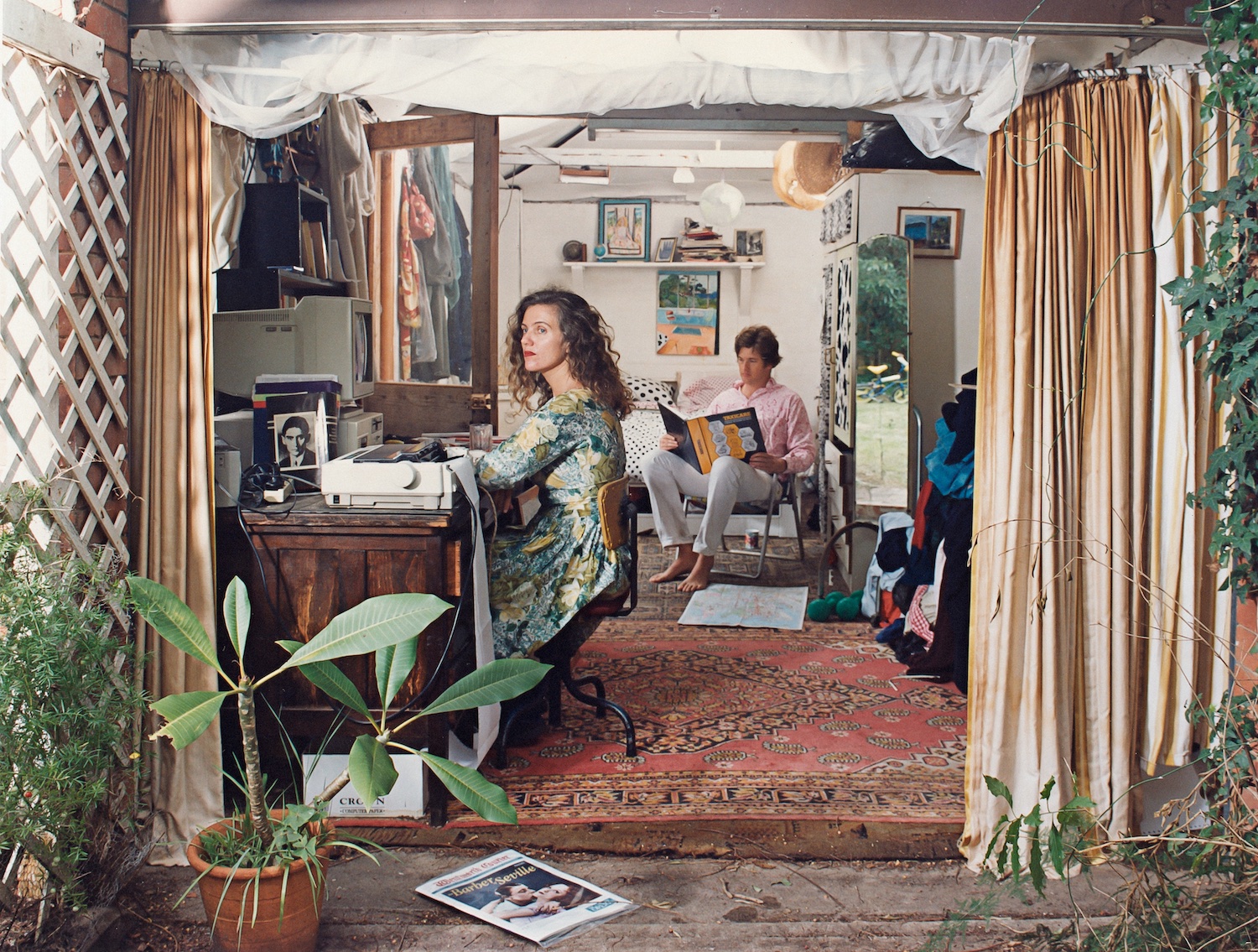
The comfort of objects
Making art from the small rituals of daily life
Featured in
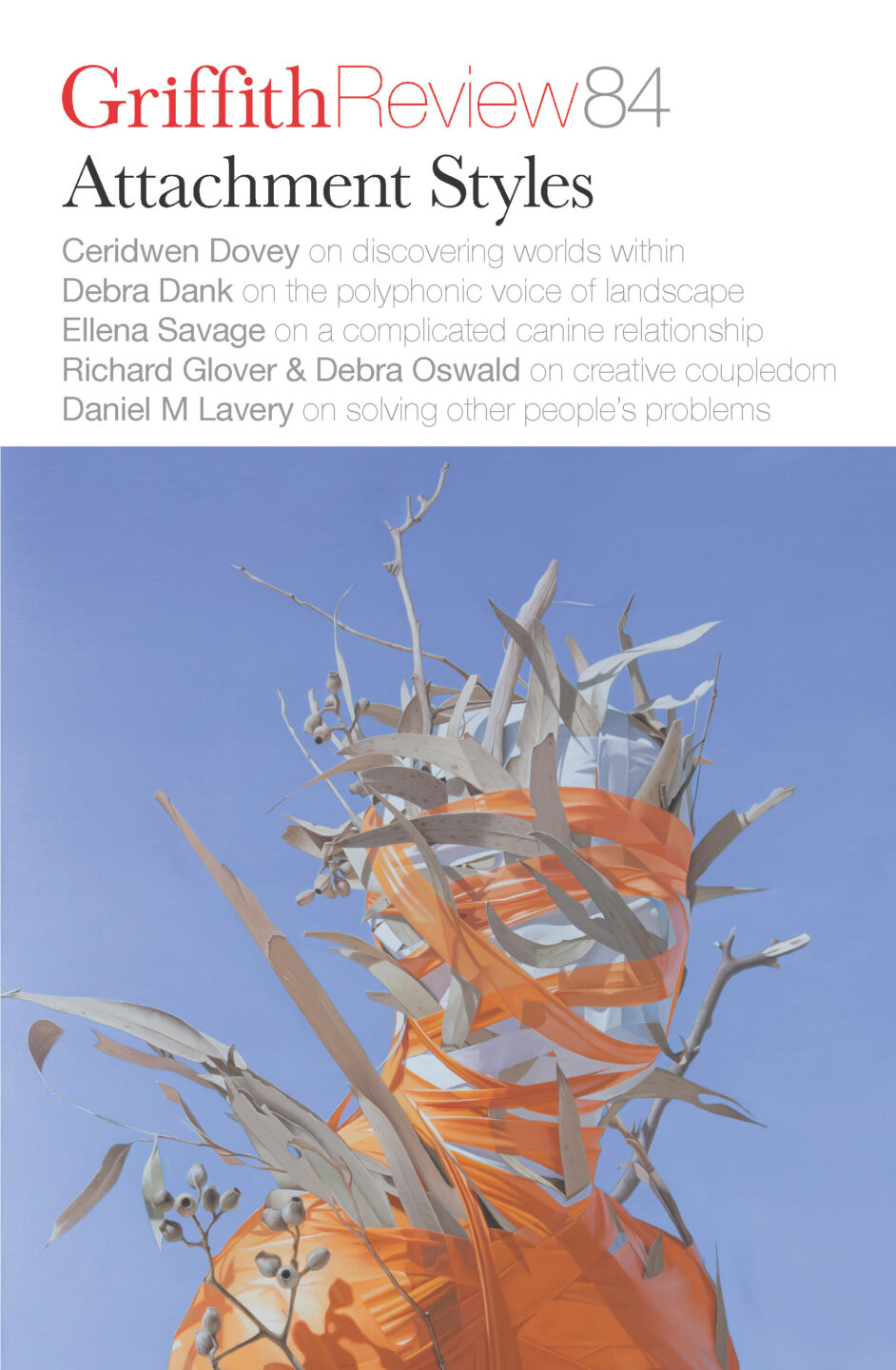
- Published 20240507
- ISBN: 978-1-922212-95-5
- Extent: 203pp
- Paperback, ePub, PDF, Kindle compatible

Already a subscriber? Sign in here
If you are an educator or student wishing to access content for study purposes please contact us at griffithreview@griffith.edu.au
Share article
About the author
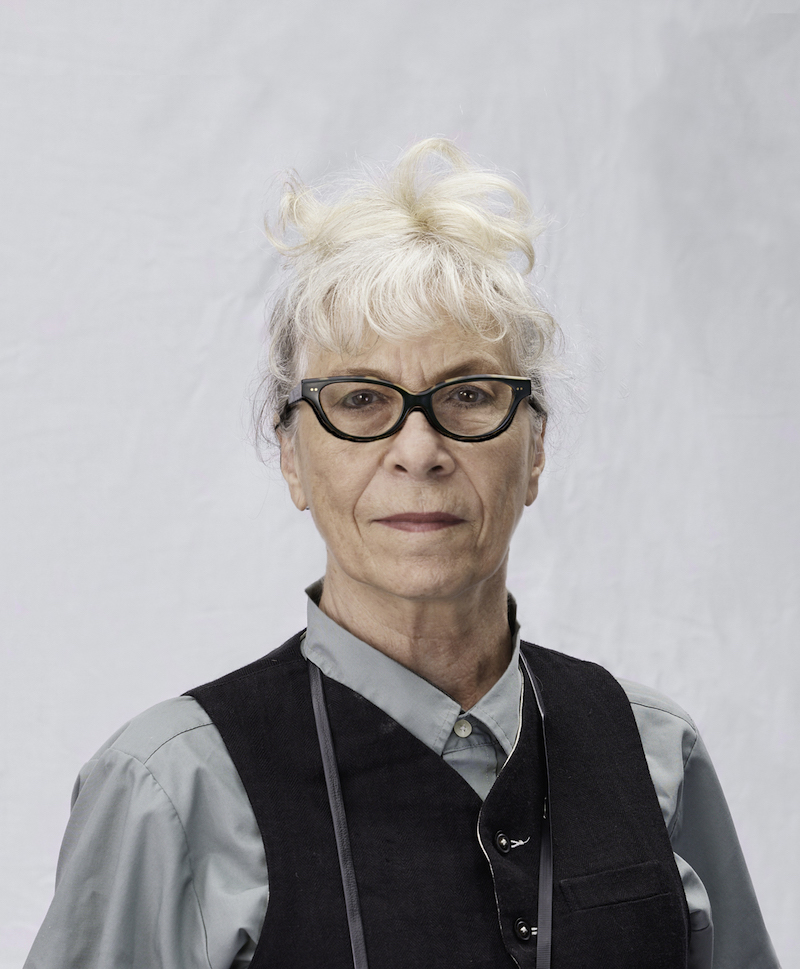
Anne Zahalka
Anne Zahalka won the Bowness Photography Prize in 2023 for her Kunstkammer at the Museum of Australian Photography. She is represented by ARC ONE...
More from this edition

Lincoln Wimbley writes a story at 37,000 feet
FictionThen last week, in that bar. Lincoln never a big bar guy. But Professor Tim suggested, ‘Get out in the world!’ Somewhere all new. So, a bar. The bartender asked, ‘A beer?’ Lincoln hated cans. Hated bottles. Hated beer. But asked for something on draft. On tap. Explained why he was there, a first-timer, hunting for a story. Bartender laughed. Said elsewhere’s probably best. ‘None of the sad sacks here come with a happy ending.’

Fraser Gehrig after a dirty bump
Poetry Under floodlight he is beautiful a jacked and tanned bench presser who in preparation small stepped on buffalo grass to hear the sweet smack of timing. Ripping the...
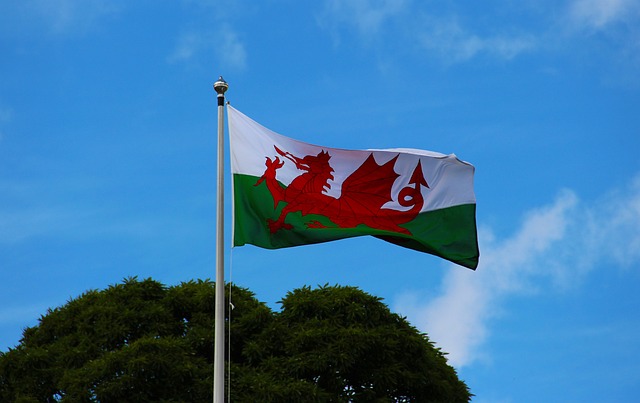
Land of my fathers
Non-fictionOn Saturday mornings his friends would call in to pick him up for the game. Like him, they were broad and tall and humorous, and never still. None of them ever seemed comfortable indoors. Their faces were fevered from sitting in winter stadiums. Even as septuagenarians they continued to refer to themselves as ‘the boys’, and if my mother materialised before them, they’d blush like children.
