
Featured in
- Published 20230207
- ISBN: 978-1-922212-80-1
- Extent: 264pp
- Paperback (234 x 153mm), eBook

Already a subscriber? Sign in here
If you are an educator or student wishing to access content for study purposes please contact us at griffithreview@griffith.edu.au
Share article
About the author

Martine Kropkowski
Martine Kropkowski is a writer and HDR candidate at The University of Queensland. Her research examines folklore practice in the online space, including the...
More from this edition

The trick that tells the truth
Non-fictionAs subjects of late capitalism, we’ve become inured to the amoral cynicism inherent in relentless corporate marketing; yet both the good faith of our human nature and the susceptibility of our lizard brains ensure that we also remain receptive... In 2020, the disjunction between AGL’s public relations and the truth of the company’s business practices was highlighted and ridiculed in the public realm, ending in a court case of profound significance on Australia’s twisted road to belated action on climate change.
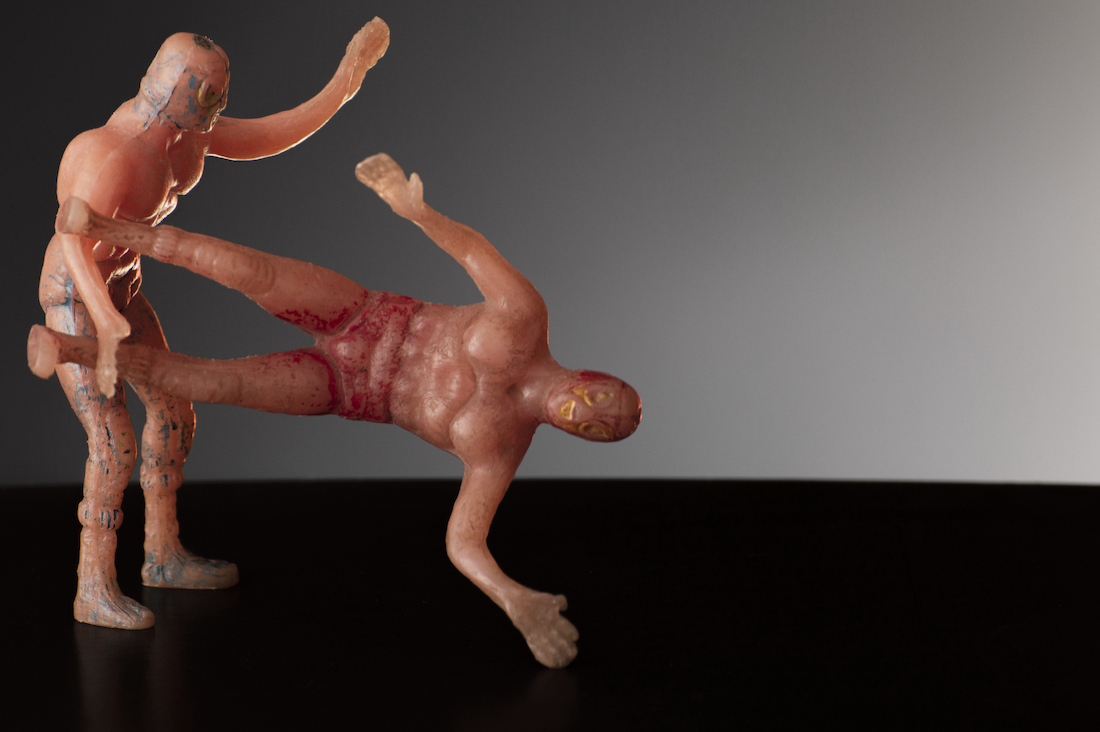
Living in kayfabe
Non-fictionOn free-dress days, I wore my sister’s dance tights to school because they made me feel like I was a real wrestler. I would’ve worn my Speedos if my mum let me. Other kids stared at me and asked ‘What are you wearing?’ and I’d tell them that this was my wrestling gear.

Same old new village
FictionWe pass the food market, and the dining hall, where each morning I would take my grandmother to eat yong tofu, hot noodle soup with fishballs and stuffed tofu. She said she always wanted to eat, but in reality she wanted to show me off to her old friends.
