
Featured in
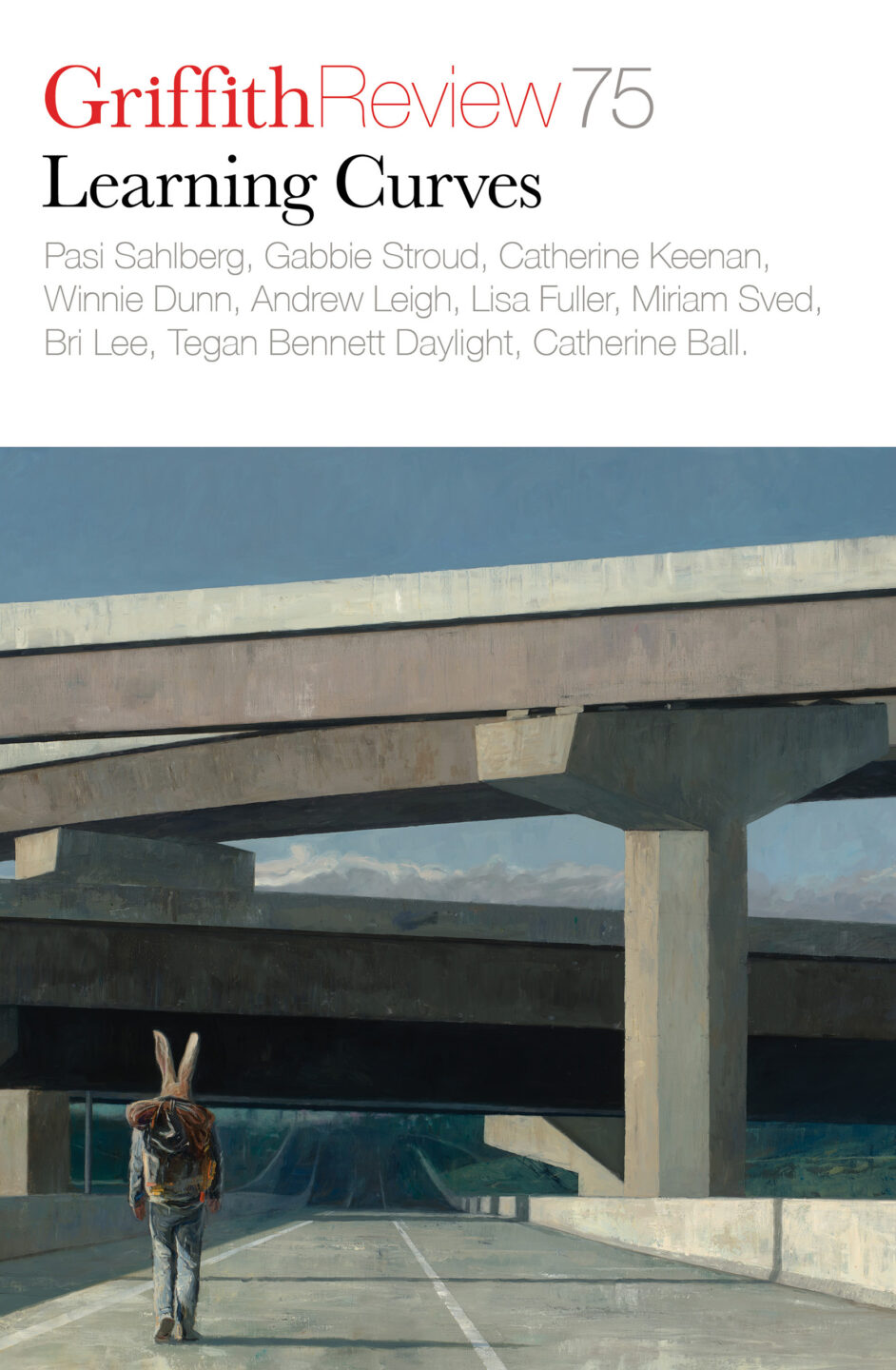
- Published 20220127
- ISBN: 978-1-92221-65-8
- Extent: 264pp
- Paperback (234 x 153mm), eBook

Already a subscriber? Sign in here
If you are an educator or student wishing to access content for study purposes please contact us at griffithreview@griffith.edu.au
Share article
About the author
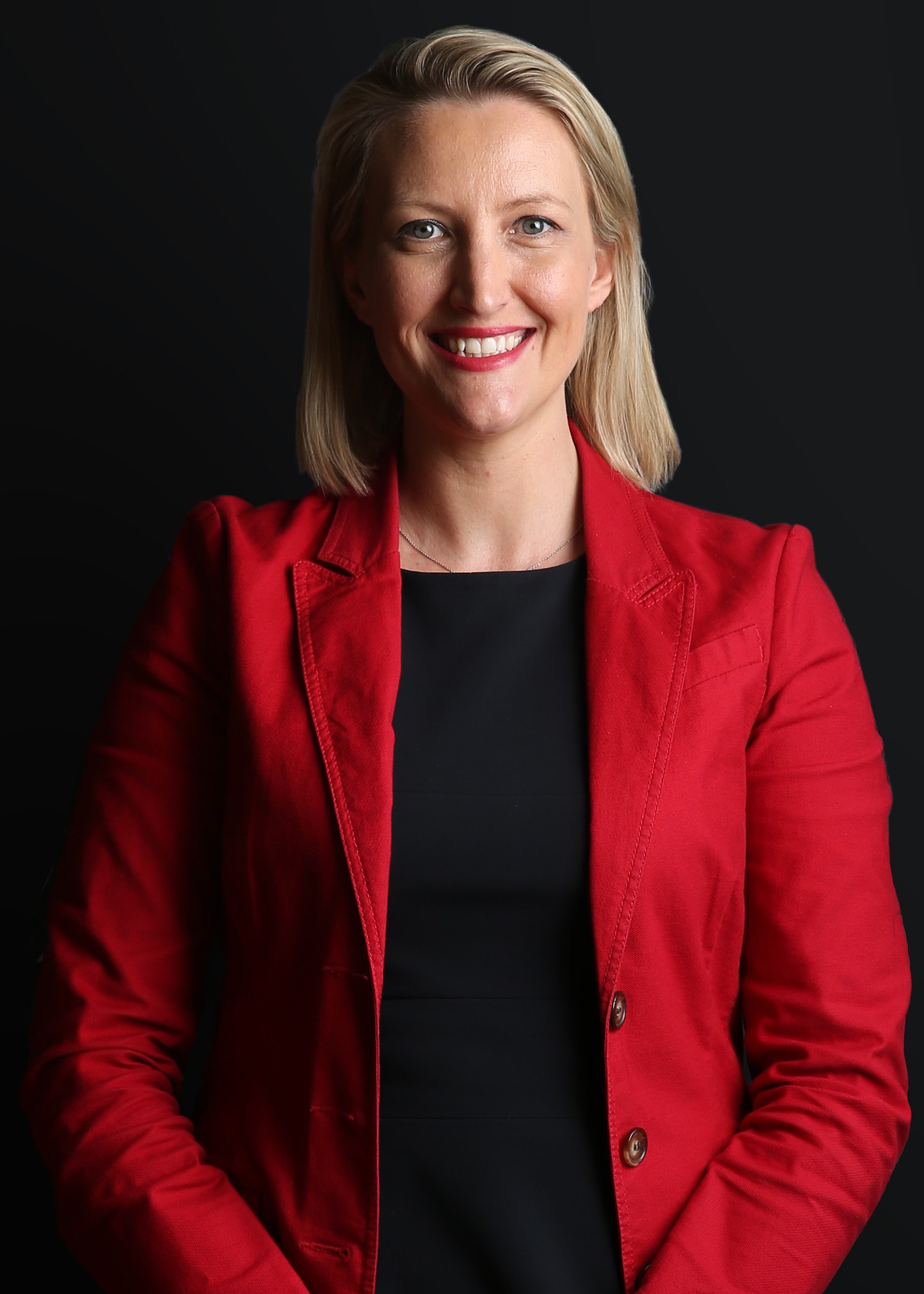
Catherine Ball
Catherine Ball is an associate professor at the Australian National University School of Engineering. She is a scientific futurist, tech influencer, champion of diversity and...
More from this edition

In case of education emergency…read this
GR OnlineIndigenous peoples have a right to self-determine their education, as outlined in the UN Declaration on the Rights of Indigenous Peoples. These rights recognise that systemic power has been taken away from Indigenous peoples due to the ongoing impacts of colonisation and that subsequent interactions with schools, education departments and universities occur within a power imbalance.

Postcards from a liminal zone
GR OnlineHealth professionals and educators have long appreciated the benefits of personalising and sharing experiences to allow people to work through what might be traumatic – to make sense of it, to understand it and to appreciate what really matters to them.
Dramatics
Fiction ANNIE DOESN’T RECOGNISE the old teacher at first glance, not consciously. She only registers a vague sense of disorientation that seems carried in by...
