
Featured in

- Published 20230502
- ISBN: 978-1-922212-83-2
- Extent: 264pp
- Paperback (234 x 153mm), eBook

Already a subscriber? Sign in here
If you are an educator or student wishing to access content for study purposes please contact us at griffithreview@griffith.edu.au
Share article
About the author

Terri Janke
Terri Janke is a Meriam, Wuthathi and Yadhaigana woman, and founder of Terri Janke and Company, an award-winning Indigenous law firm. She is an...
More from this edition
A Little Box
PoetryAnd didn’t I grant you six identical faces, each perfectly plain as the other and a sturdy mouth to clasp shut?
Filling the void
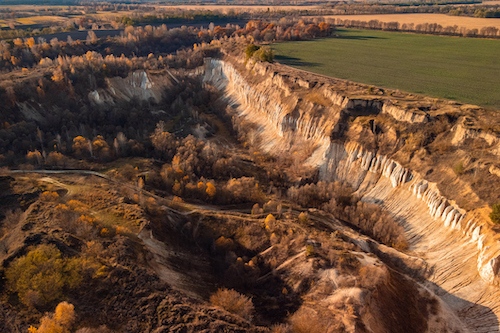
Non-fictionThese failures of clean-up, or ‘mining legacies’, are the result of booms and busts – of minerals drifting in and out of favour. Nothing is as precious as a hole in the ground – until that hole in the ground is worth less than nothing. When a boom ends and a resource’s price plummets, a quarry’s metamorphosis from asset to liability can take place in an instant. When abandoned mines are located in out-of-the-way places, populated by those with little political influence, tailings may simply be left to blow in the wind.
Once upon a self
Non-fictionFor Plato, most notably, drama and poetry were to be regarded with intense moral and political suspicion: they made malevolent characters intelligible to their audiences; they use up our real moral sentiments by arousing them for fictional characters; and by depicting certain traits and tropes they risked seducing audiences into acting them out themselves.
