
Featured in

- Published 20250506
- ISBN: 978-1-923213-07-4
- Extent: 196 pp
- Paperback, ebook, PDF
Already a subscriber? Sign in here
If you are an educator or student wishing to access content for study purposes please contact us at griffithreview@griffith.edu.au
Share article
About the author

Matt Sainsbury
Matt Sainsbury is a multidisciplinary journalist, critic and author. His work has appeared in The Australian, The Daily Review and The Shot, among many others. His website,...
More from this edition
You will be seen now
PoetryI saw a fin- ger loosen the zipper,the bag’s tan exterior animated by teeth. Beneath knuckle-white shades, faces surfaced–witnesses in a waiting room. Pareidolia or paranoia?Malice etched in putty. Everything...

The marketing is still crap
Non-fictionToday’s onslaught of available content (not just in books and writing) and the concurrent impossibility of wading through it all to select the new or the significant or the simple exploding pleasure of language (remember that?) is likely part of where the current malaise began, and not just for me. So much is on trend these days, with great swathes of the population all reading the same book simultaneously, and so much of this is generated by the star-making machinery of billion-dollar multinational publishing houses with gigantic marketing budgets.
From the hills of Killea
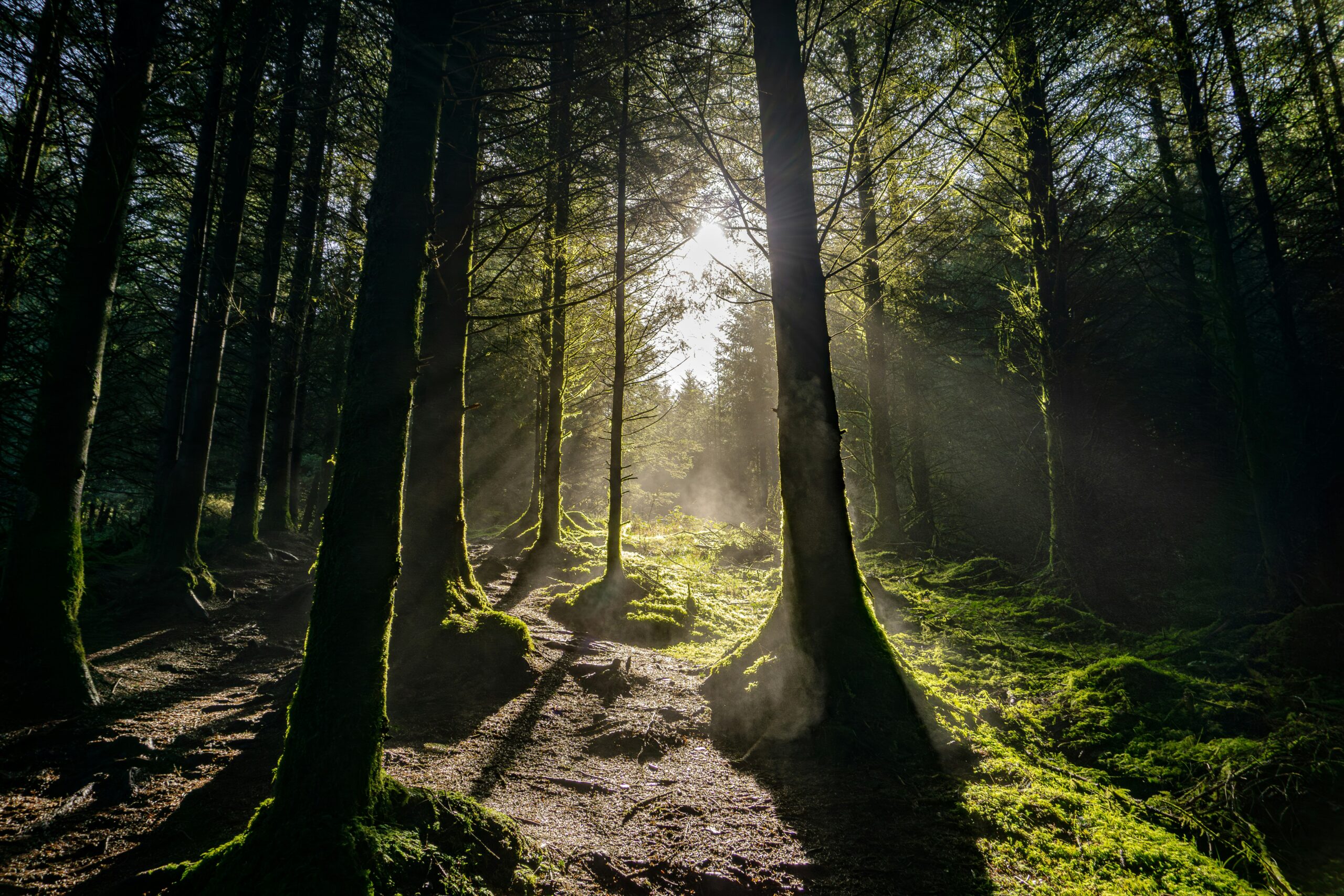
Non-fictionShe lived alone with five horses, five dogs, three cats, three geese and two ducks. She had escaped Manchester under Thatcher, gone off the grid in Tipperary and never returned. She said mass suicide was the only answer to climate catastrophe. She was the most interesting person I had ever met. Before dawn, I would write. By daybreak, I would find a pair of wellies and then muck out the stables, wheeling huge barrows of horseshit across her yard to a pile the size of a fire truck. There was little time to rest. The stove needed to be fed, constantly, with bricks of peat to keep the house warm. The horses needed to be given hay five times a day. The geese needed guarding from the foxes. I learnt to care for animals, to give them my attention.
