
Featured in
- Published 20221101
- ISBN: 978-1-922212-74-0
- Extent: 264pp
- Paperback (234 x 153mm), eBook
Already a subscriber? Sign in here
If you are an educator or student wishing to access content for study purposes please contact us at griffithreview@griffith.edu.au
Share article
More from author
The ridiculous school
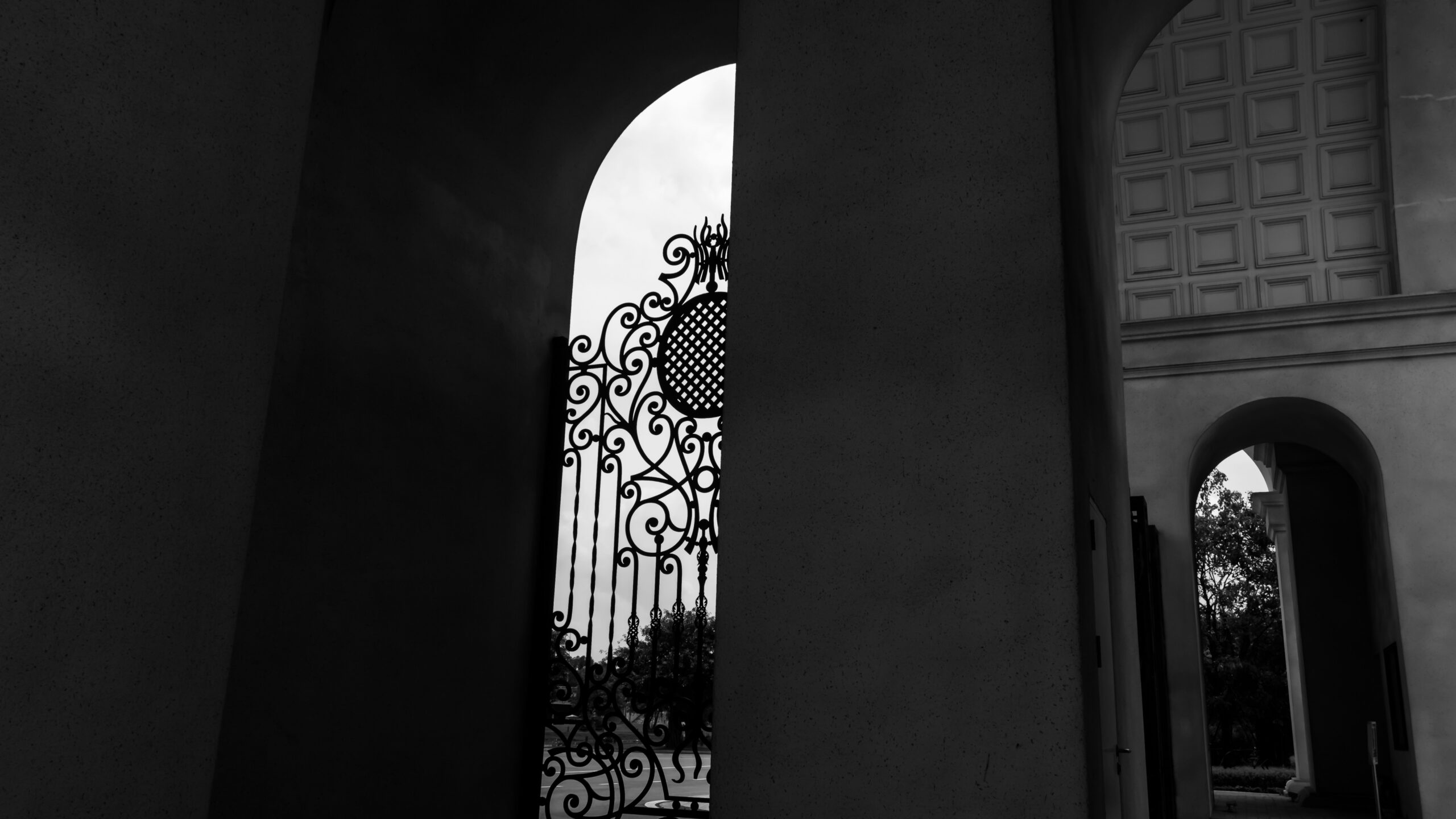
Here are some things I now know: that the school’s grounds, beyond those imposing gates, are large enough that they could comfortably contain at least three of my high school’s own in their entirety – and they include six separate cricket pitches. That there are staff employed to patrol the streets of the neighbouring suburbs in the mid-afternoon, purely to ensure those blazers are not taken off in public. That there are swimming trunks (and that is the word they use for them) as part of the school uniform – in the school’s colours and with its logo on one leg.
That the admission fee, each year, is equal to what I earn. (I am not, for the record, in any way involved in its payment.)
And also that none of this matters, not in the context of my family’s lives. I am, of course and for want of a better word, the stepmother to my girlfriend’s children, which is to say that my role is always supportive and not agential. I’m not the protagonist and do not want to be. The problem is that neither can I be antagonistic, nor should I.
I never thought that I would be here. Never imagined I might find myself driving through those massive gates on the occasional stormy afternoon and idling in a queue of European cars as the older boy swings his cricket kit onto my backseat (though I still curse those of their drivers who insist on trying to turn right when they return to the main road). Receiving the school’s monthly magazine with its thick, soft pages in my letterbox. Stitching name tags onto uniform trunks, the existence of which I couldn’t even fathom until last year. It is unsettling, to say the very least.
And I hate it.
More from this edition
A recipe for Rote Grütze
PoetryI imagine you as a young woman here in this foreign place trying to learn a language your children brought home from school.
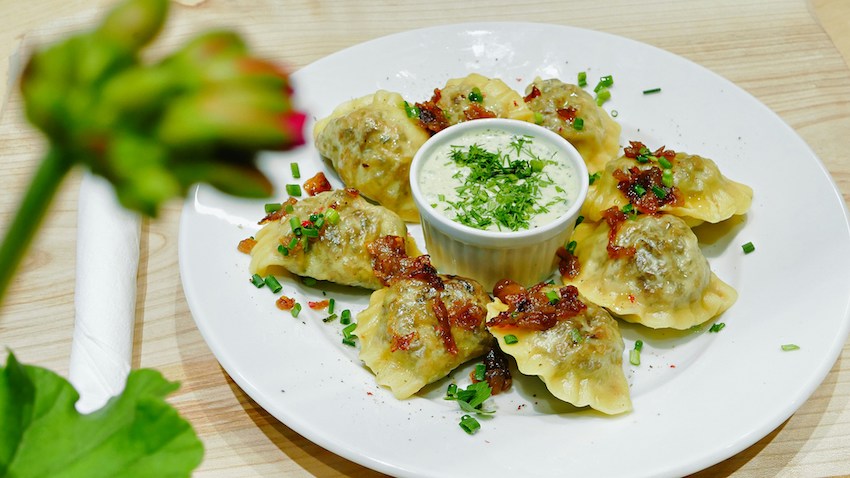
Changing palates
In ConversationWe were accidental arrivals, I think is the best way to put it. My parents were refugees from Poland. They were Jewish citizens of Poland and they basically flipped a coin and made a run for it.

Tastemakers
IntroductionI’m still pleasantly mystified by our obsession with food – our need to talk about it, remember it, photograph it and analyse it, to eat our feelings and compare our lives to buffets and boxes of chocolates.
