
Featured in
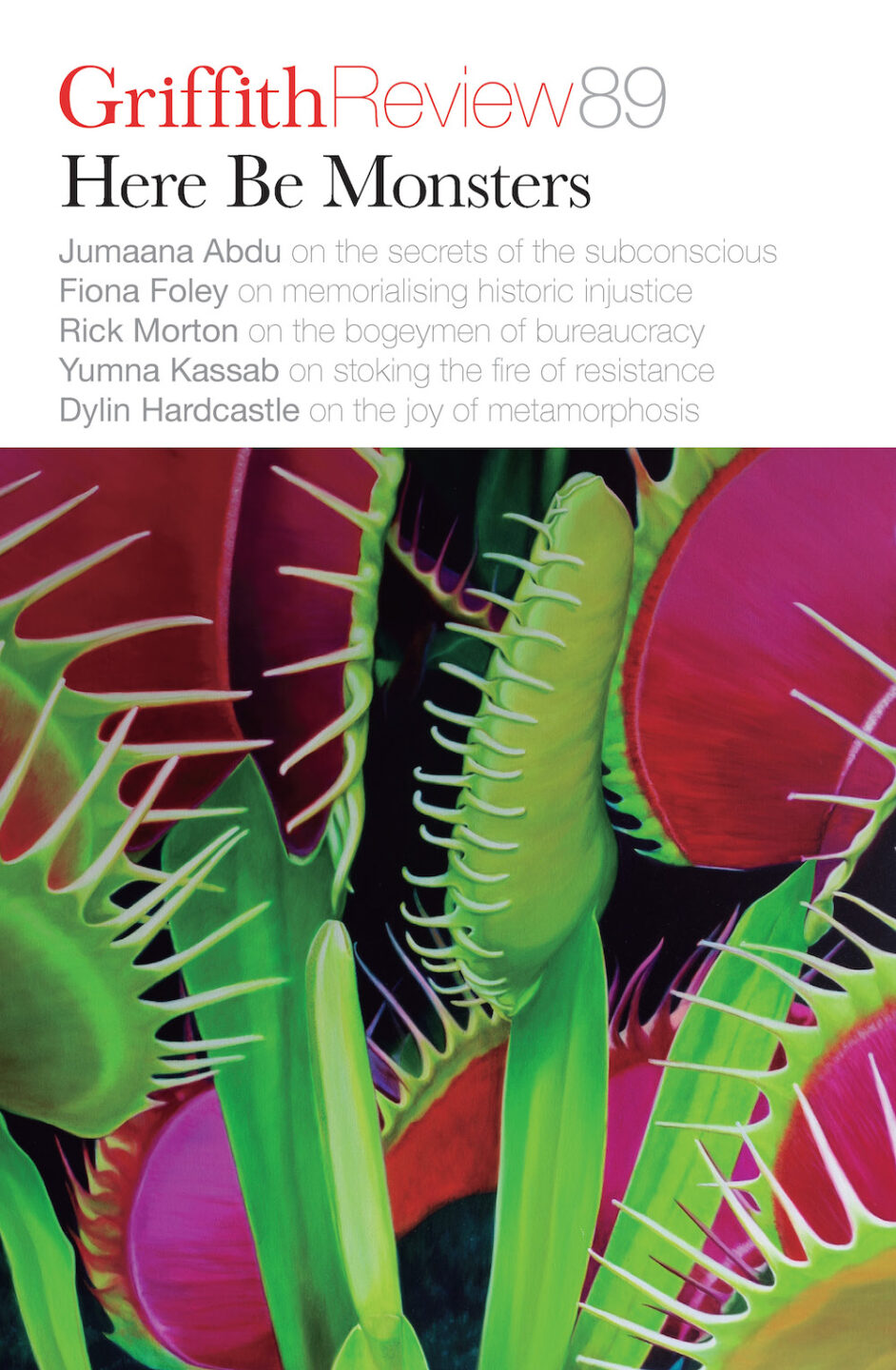
- Published 20250805
- ISBN: 978-1-923213-10-4
- Extent: 236pp
- Paperback, eBook, PDF
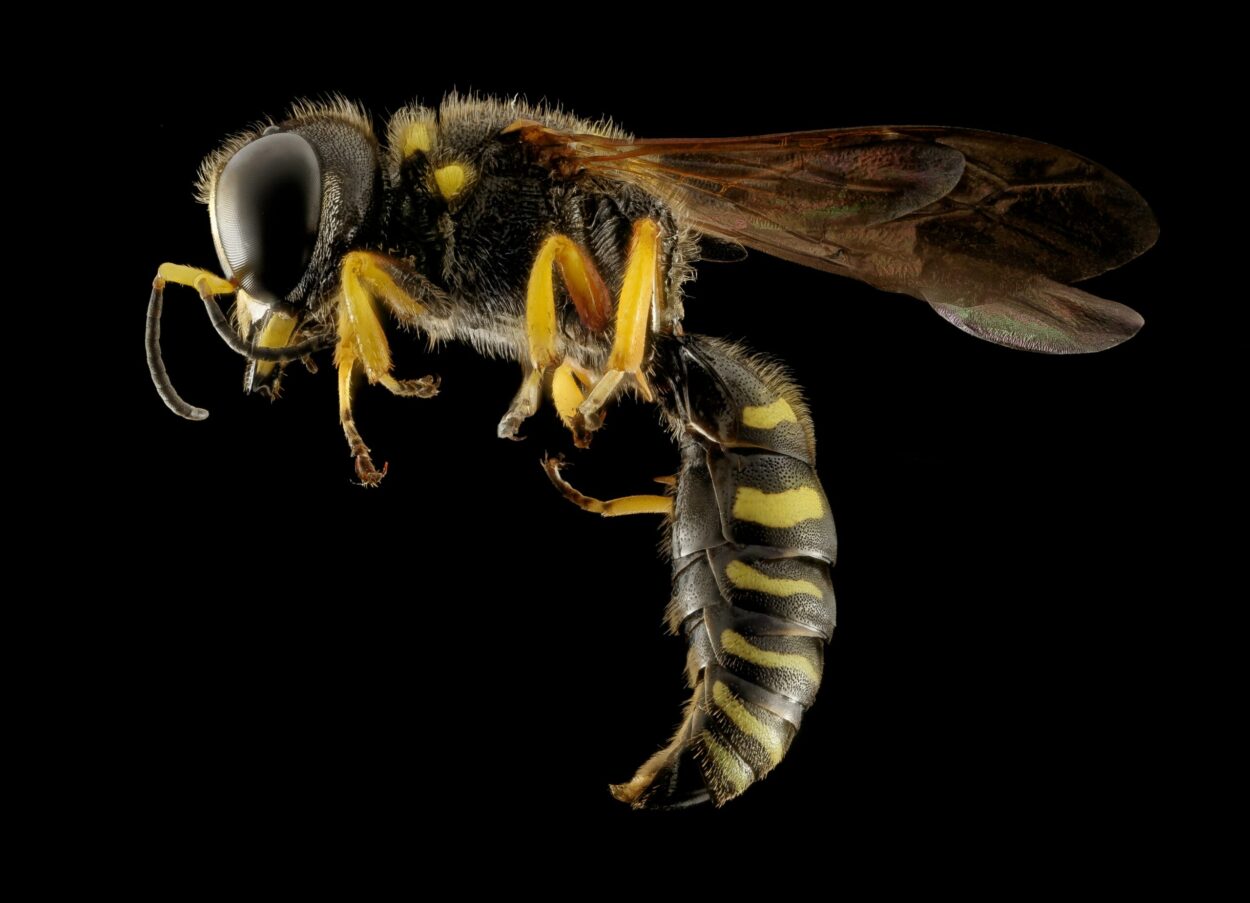
THE TOWN’S FLOWERS have set seed in the late-spring wet hot air, as the land prepares for the rains. It is nearly hatching time for the gall wasps. Swollen, pregnant growths deform the limbs as larvae gnaw and suck at the sap. Soon, they will chew their way out into the light and take flight, leaving behind tumorous holey lumps oozing with stolen vitality. The hunt for a mate begins and ends in just a few days, and then all that’s left to do is find somewhere to lay, safe from predation and precarious weather, with plenty of sustenance for the children. In times past, the new growth of a citrus tree would do – but times change, and many can play host to the ravenous young.
Which brings us to you. You’re late for your shift, have to speed walk through your home town’s streets towards the squat hospital on the other side of the river. Even though there’s still some daylight left, the main street is empty of people, and you know the ones who are out don’t want to speak with you. These are the people who burnt the citrus groves and chucked all their lemons, who’ve painted their skin with clay and covered their bodies with clothes even in this heat, and who turned the only hospital in the region into a quarantine zone for the infested. Aside from your status as unwanted prodigal son, they’re taking no chances with someone working so close to what they call ‘the Holeys’.
The easterly wind carries the scent of burning human flesh. It blows from the smokestacks behind the hospital and pollutes the river valley with its stench. Every time you cross the river, where the smell is strongest, you block your nose. Of all the smells, this is the one you can’t stomach. Blood, piss, shit, vomit, pus: all that is fine, just part of the job, but this acrid, metallic, fire-in-a-slaughterhouse odour settling on your tongue and colonising your lungs; it is too much. You only unblock your nose once you’re over the river. The smell now in the manageable background, you continue in some sort of peace as you trudge towards another twelve-hour shift.
The incinerator’s smoke has hung over the town for almost a week now, since the epidemiologist came and made her decree.
She looked so serious and stern in her suit and coral cat-eye glasses (you can appreciate the glasses, but on her they suggest a grumpy, nasty cat), her pale face stretched by a too-tight ponytail. She stood in front of you all, the assembled staff of the hospital, like a school principal reprimanding the students and laying out exactly how they should behave.
‘In the year since patient zero, all you’ve done amounts to little more than palliative care.’ She glanced around, ensuring her words made maximum impact. ‘The galls have been treated individually – cutting, freezing, burning, rotting – rather than systemically. In doing so, you’ve endangered the biosecurity of the whole country, and now we have only weeks to implement drastic measures before the second round of hatching. The infested are safe in quarantine, for now, but all it takes is one oversight, one wasp-sized hole in a wall, and that’s it.’
She issued her orders: her team would stripsearch the town’s population for suspicious lumps, with any infested people to join the quarantined patients; meanwhile, the galls would be systematised based on height, width, bodily location and approximate age; amputation of the affected limbs would then be scheduled according to their progression, and all infested tissue would be incinerated.
Is this what you expected when you returned just over a month ago? Either way, you do your job well, whether it’s changing sheets or measuring galls, cleaning surgery theatres or feeding wilting patients. You still refer to them that way, though everyone else calls them Holeys now. When Cassandra Mullaney teased you for it, you stammered, ‘I guess I’m just not so comfortable with dehumanisation.’ You stand by that, despite it being another thing that separates you. How is it that someone who hasn’t lived here for a decade feels more empathy for his community than those who stayed?
Because almost all the people in the Holey ward are familiar faces, if not names. They’re teachers, extended family, shopkeepers, old friends and enemies, secret crushes. The ones who recognise you are friendly enough, but there’s often a distance; something in their eyes sends you back to when you first came out. That was twelve years ago, just before you decided to leave for good, when the city welcomed your broken soul and you realised nothing was wrong with you, just with your birthplace.
It’s easier being gay in the city.
Speaking of secret crushes, you’re with one right now: Nathan Fletcher, whom you fell hard for in Year 11. The years have been kind to him. The wasps have not. He’s lost weight, and galls crowd his hands, swell them to balloon-animal proportions. The older ones along his fingers hatched last year, leaving a glut of little black holes within his tan skin, while the newer ones bubble up across the palms and backs of his hands. Monstrous digits or not, his face, its easy smile and kind eyes, still disarms you.
The cramped beds are full and hazmat-suited nurses flit between them like birds at nectar. It’s 9.30 pm and Shania, who was a year above you in school, is interviewing him about his wellbeing while you measure and prod each of his growths.
‘Out of ten, how energetic do you feel?’
‘Well, you won’t give me coffee, so I’d say about three,’ he replies.
‘Could you rate your discomfort level out of ten?’
‘Clive, do you recognise me?’
You look up. ‘Yeah, of course.’
‘And you didn’t say hi? Where’re your manners?’
Bashful, you reply, ‘I wasn’t sure if you would. Recognise me.’
‘Excuse me,’ Shania interjects. ‘Answer the question.’
Nathan smirks and obliges, but straight after continues, ‘I thought it was you I saw the other day.’ Your blank face prompts him to continue. ‘The card game?’
Yes, the card game. You were walking through the viewing hallway, about to end your shift, when you heard moaning from behind the glass. This is the only place one can see the segregated patients without donning a suit and entering; the length of the right wall is a window looking onto a wide mirror hallway. You searched for the sound’s source. An open door – which on your side leads to a cleaner’s room – revealed a circle of patients. They looked to be playing a card game, but it quickly became clear you were intruding on something much more. They interacted with an intimacy unknown to you these days, and when you looked closer, you saw their surreptitious touching, naked galled feet rubbing naked galled feet. One of them saw you and moaned their pleasure, maintaining eye contact throughout.
You left quickly, heart throbbing, and didn’t notice Nathan. Clearly, he had seen you.
‘You chose a great time to come back. Haven’t you heard? There’s a plague on.’ He makes you laugh – one of the reasons you crushed on him in high school. He looks at his hands while you work: big hands, strong hands. ‘They’re pretty bad, aren’t they?’
You’re about to answer when Shania says, ‘Could we stay on track, please? Don’t reply. We’re not here to fraternise.’
You remember how Shania used to have the funniest tantrums when things didn’t go her way. You decide to push it, have some fun. ‘Aren’t we here to care for people? I’m just being friendly. Maybe you should give it a shot.’
‘Do you think the epidemiologist cares how friendly we are? Come off it. We’re running out of time. You might be horny for Nathan, but you’ve got a job to do.’
You go silent and look away; you’d forgotten Shania could also be a nasty bitch. Nathan shifts in his bed.
Shania chuckles and says, ‘Just how friendly are you being anyway? Any more stroking and I’d think you were trying to get him off.’
Stroking? You look back to Nathan and yes, you’re stroking his hand. Your touch is light through your suit and the motion small, but you can see the effect it’s having on him.
‘I – I’m sorry, I didn’t mean…’
‘It’s okay. It felt good,’ Nathan assures you.
Shania cackles.
As dawn is about to roll around, you go to the common room to grab a snack. A chorus of giggling, maybe three voices, compels you to stop at the corner, despite your rumbling belly. You lean against the outer wall and listen. ‘–and he was just, like, caressing him, like this.’ Shania. You can’t see her imitation from your listening spot, but the laughter twists your gut. ‘It was disgusting.’
You close your eyes in shame.
Someone says, ‘Do you think he finds them…sexy?’
‘Seemed like it. Sick fuck.’
So, you’re now a pervert. Fantastic, just fantastic, just what you need.
‘Nurse, don’t you have work to do?’
You whip your head around to see who spoke. The epidemiologist. Shit. You start to stammer out something before she cuts you off.
‘Look.’ She inspects your name tag, then looks up into your eyes. ‘Clive. I know you’re probably tired, we all are, but I expect you understand how fast we must move. So, if you’re having a break, I want to see you eating something, not being idle, not going on your phone.’
‘I wasn’t on–’
‘We have eight hundred patients here who need attention and a disease to stamp out. To be honest, I don’t even think you should be taking a break except for the toilet; you have off-shifts for a reason.’
‘And when did you come in? Half an hour ago?’ The venom in your tone surprises you, but you continue. ‘I’ve been here for eleven hours, thanks very much, and on my feet the whole time, so who are you to tell me whether I need a break or not? And what the fuck do you even do all day, while we’re working our arses off?’
She looks like she’s about to rip your throat out. Some primal part of you prepares for this, and you lift your arms in defence.
But then her face turns into a mask of ingratiating sweetness and she lowers your arms with a light touch. ‘You’re right. I really do nothing all day. After all, who really cares if the gall wasp eradicates your town and then the state and the country after that?’ She leans close enough for her breath to tickle the hairs on your neck, and hisses, ‘Don’t speak to me like that again.’ Then she strides off.
Shania and her confidantes explode in raucous laughter.
THE DOOR IS locked, and you forgot your key. You’ll have to ask him to let you in, which will only make you both grouchy. You knock in a way you hope is somewhere between casual and apologetic.
His footsteps shuffle against the wooden floors, growing loud and then stopping at the door. It swings open to reveal a fantastic view of his receding backside.
‘Hi, Dad; hi son, hope you had a good shift;yeah, Dad, it was great. Thanks for asking.’
He’s already shambled back to his side of the house, leaving you in the kitchen.
‘Arsehole,’ you mutter.
You make a cup of tea and some buttered toast and bring it to your room, intending to enjoy breakfast sat watching some inane show, but half a slice and the first ten minutes of an episode is all you can take before passing out.
Wake up. It’s the evening again, and you have to race to get out the door. Out into the street, which is the closest to suburban this town has, past the playground about a decade out of vogue, into the centre of town and over the river towards the hospital.
The air clings to your skin; you feel clammy in your scrubs. The rains are yet to come, with their relief from this muggy stillness. For now, the air-conditioned hospital beckons. You make it just in time to start another of your arrhythmic, exhausting shifts.
THE AMPUTEES ARE increasing rapidly. They have their own ward, on the hospital’s other side, where they pine for their friends in the Holey ward and weep over their phantom limbs. The wounds – still so fresh and raw and spilling with wasted vitality – need dressing changes every day. You’re administering antibacterials, changing stained sheets, offering comfort, trying to save the lives of those dying from surgical complications. You’re sure everyone knows what happened. Clive ‘horny-for-Holeys’, the gall-lover. Thoughts growing darker, you retreat and fantasise about being anywhere else or, increasingly, joining the infested tissue in its fiery disintegration.
You sit by the deathbed of Helena Braithwaite, the granddaughter of an old teacher of yours. Her body is so small, her blood so red against the pale blue of the hospital bed. You unwrap blood-soaked bandages from the three oozing stumps that were her right arm and both her legs and replace them with fresh white ones. A red flower blooms from them in seconds. The blood just keeps on coming. Despite some shivers of life still convulsing through her, the doctors say her time here is through. You hold her remaining hand through it, hoping she knows she’s not alone, and when the doctor pronounces her dead, you are left to tend the corpse.
You are once again thankful the limbs are already incinerated. The few children, isolated in their own ward, were also the most galled, the most wasted; the hungry wasps devoured them. Helena was the last one – a morbid achievement. You note the statistics of her death in the system, a heavy weight in your chest. Her family won’t get a chance to cry over her before she is incinerated. Maybe for the best. You’re envious of her imminent destruction, though not of the pain still clear on her face. A beautiful face, you realise, like her grandmother’s. You never got a chance to know this child, but Mrs Braithwaite was one of the kindest teachers you had.
‘Got a Holey in one, ay?’ someone says from the door.
You turn to look at the stranger blankly. ‘What?’
‘Like golf? A Holey in…’ She sighs. ‘Just a joke. Anyway, Ali’s called a team meeting.’ She waits for you to respond and, when you don’t, says, ‘It’s compulsory, in case you’ve forgotten how team meetings work.’
‘I’ve got to deal with her,’ you say, waving your hand over the body beneath you.
‘Forget it. You can do that later. Ali said it’s urgent.’
You leave Helena and follow her to a small gathering of strangers. Your team. Familiar faces, if unfamiliar souls.
‘Thank you for joining us, Clive,’ Ali says, then surveys the group. You’re prepared for some drudgery about procedures or quotas, an echo of the epidemiologist’s sour-mouthed decree. Already your eyes are fluttering shut when Ali says, ‘They’re hatching.’
Now you’re all ears.
‘Doctor Burns has put us into emergency mode,’ he says. ‘Now that one’s hatched, the rest will follow. She wants us to finish this here. She wants all the Holeys dead tomorrow night.’
There’s a silence. It doesn’t surprise anyone to receive this order; how could the hospital amputate all the affected limbs in time? It would’ve taken double the surgery rooms, triple the staff and quadruple the caffeine to quell the gall, resources not even the epidemiologist could muster in time.
Tomorrow, a fatal gas will be released in the Holey ward, followed by a powerful insecticide. Then the incinerator will eat all the bodies, human and wasp. A great waste, but nothing to be done.
YOU HAVE YOUR key this time. No need to disturb your father. No need to interact with him. Just open the door quietly, and it’ll be like you’re not even there.
Except he’s there when you walk in, sitting at the kitchen table. He looks as if he’s expecting you. ‘Clive.’
‘Dad.’
‘Is it true?’
You stay unmoving in the doorway.
These three words are the most he’s said to you since you asked to move back in, when he said, ‘Just don’t bring any of your “mates” around.’ What, did he think you’d start up a gay strip club in the loungeroom? ‘And why do you want to move back anyway? Thought you hated this town.’
‘I do,’ you’d said. ‘But I want to do a good thing.’ That, and you’d recently left an abusive relationship, making you friendless, penniless and homeless.
All this to say, the three words come as a shock, quite aside from their lack of context. ‘Is what true?’
‘They’re hatching. Nigel told me – his daughter works in your team, you know.’
‘Yes, Rachel. It’s almost like I grew up in this town, Dad.’
He laughs. ‘So it’s true.’
‘Yes.’
And that’s the end of it. He nods and goes back to his half of the house, and the flash of hope that somehow the bridge between you will be mended dies. No, you should have known better – the night you stayed after your mum’s funeral proved there were two things you had in common: half your DNA and loving your mum. And no bridge can stand on blood alone.
THE CLOUDS HAVE finally let fall their fury. Rain lashes the empty roads and hail bounces and skitters. You walk underneath the main street’s noisy tin awnings and hop between scant shelters on the way to the river, not trusting your umbrella in the wind. Foreboding, like the rain, is thick in the air. A few Christians are painting their doors and windows with white clay. You laugh at their naivety. From their stares you’re certain they’re going to include you in their prayers; poor Clive, the lost soul. Save your prayers,you think. Save them for yourselves.
There’s no escaping the weather on the river bridge. Running, you open your umbrella and earn yourself a moment’s respite from the rain before the storm snaps it the wrong way, and you swear and throw the useless thing in the bin once you cross the bridge. No burning smell rises from the incinerators, though you find little comfort in this. In just a few hours it will blow again and not stop until all the patients are ash settling on the river and the rooftops and the fallow fields. The town will be dusting the corpses of their neighbours for weeks.
A security guard – you recognise him as one of the epidemiologist’s crew – scans you in.
‘Show on tonight,’ he says.
‘What do you mean?’
No answer.
Inside, the hospital is empty and silent as the grave. Maybe the gas leaked and took the staff along with the doomed patients; you take a deep breath and don’t drop dead, discounting that hypothesis. Going from section to section, from the amputees’ section to the Holey ward, from the meeting room to the toilets, eventually leads you to the sound of people. Many people, gathered in a small area.
You follow the hubbub to the viewing hallway. The usual symmetry is broken somewhat, for gathered on the healthy side are all the on-shift staff, pressed close and filling the space between window and wall, while on the other side are the infested, who are…
What is it you’re looking at? A creature built from diseased limbs and ecstatic faces, tangled so thick one could not hope to tell one body from another…a tableau of orgiastic delight in the oppression of the quarantine zone. You’ve never seen such nakedness. There’s wetness and softness, hardness, heavy breathing and glass-muffled cries of delight – all the biological markers of arousal – and there is hand play and oral and penetration of all sorts going on, but all that is, at best, secondary. So too, it appears, is gender, sexual orientation. In this big fucking writhing heap, it’s the galls that matter most. It’s what you saw during the card game, it’s what Nathan meant when he said, ‘It feels good.’ It’s thousands of lumpy, deformed growths touching each other with – even in the dense press of bodies – such tenderness, and it’s the twitch of the infested with each caress, the rapturous pleasure gleaming from their sweat and spit and cum and tears.
Can you feel your heart beating? The thickness of your saliva, the churning in your belly, the shiver in your legs, your throbbing arousal growing with each second? You look around at the staff, in their scrubs and doctor’s gowns and suits (yes, the epidemiologist is here), and wonder if they feel the same as you.
Maybe not. Maybe you’re alone.
Shania steps in front of you and sneers, then, looking at your crotch, laughs. ‘Why don’t you go in and join them? I’m sure Nathan would love to see you.’ She leaves shaking her head and mutters something inaudibly.
Most of the others leave too. You narrow the gap between you and the orgy, until it’s only the glass stopping you from stripping and diving headlong into the press. You don’t even notice the woman behind you.
‘Look at you. You’re like a kid in a lolly shop,’ the epidemiologist sneers.
You pull away from the window, hot with embarrassment.
She sniggers and continues. ‘Didn’t anyone tell you about this? They did the same last spring.’
You shake your head. Her face is a mask framed by cat-eye glasses, pulled tight by her ponytail, inscrutable, unknowable to you. She purrs some final remark, but you don’t care to know. You turn your gaze to the patients, and when you look away, she’s gone.
The killing is happening soon. Two hours from now, all those before you will be dead. Including Nathan. Is that his swollen hand rubbing the bulging gall upon some man’s elbow?
So many fluids, it’s hard to tell them apart, but you realise they’re not all sex fluids. The newly hatched galls are leaking. You didn’t notice them before, black holes clustered in irregular constellations on the hard globes from which pus and blood oozes, mixing with the rest of the slippery mess.
Something is reaching out to you from behind the glass, something you know is wrong but is getting harder and harder to resist. How easy it would be to envelop yourself in the moist heat in front of you. There’s a locked door just twenty metres or so down the hall, but you would need your team leader’s key card to open it and, besides, entering would be a death sentence. But didn’t you, just a few minutes earlier, take a breath of what may have been poisoned air rather than run for safety? If you care so little for your life, the infested orgy seems to say, why not end it with a bang?
You go to leave, walking past the door and stopping a moment to savour their muffled moans. You don’t notice the lightning flash and thunder rumble, only pay attention when the lights go out and the machines surrounding you fall silent. Something clicks within the handle and your heart leaps.
It really was the easiest thing, opening that door.
WE SAW HER through the window of a bar – the epidemiologist. What was her name? You forget. She was laughing and smiling with her friends, as though she hadn’t ordered a massacre just a year ago. She behaved like any other person out on the town, throwing back shots and overpriced cocktails, none of the aloof distaste you sensed back in our hometown. Something about that disarmed you, and for a brief charitable moment you thought maybe she’d made the best decision given the circumstances. The moment passed quickly.
We find ourselves on a busy street, dodging cyclists and scooters and stumbling drunks. You bump your ankle against a pole and ah! the pleasure. How to describe it? Sexual, yes, but something more, beyond what simple words can grasp.
A year since the orgy, a year since our improbable escape. You ran faster than the wind-carried smoke, despite the pain in your ankle as we made our home within. In the shelter of a stream-side tree, while the summer rain fell around, you watched us begin to grow like a widowed pregnant belly. He wouldn’t join you. Why didn’t he save himself? You cried, yes, you did, because somehow it came to you that you carried Nathan’s babies in your distended ankle.
The memory comes to you most nights. You closed the hallway door behind you and, stumbling through the darkness, tripped and fell into the writhing bodies. They took you in as their own, you and your fraudulent, ungalled skin. Hands stripped you of your coverings and began their caresses unlit before the backup generators rekindled the lights. You found him in the press, you called his name, you crawled eager to him. He sat, eyes closed, some woman rubbing her deformed sex against his left hand while he tickled her swollen forearm with his right. Again, you said his name. No use. You took his right hand and brought it towards you and, with quivering lips, wrapped your mouth around a large gall. You sucked, hard, and his eyes snapped open. They took a moment to focus on you and yet another to make sense of your presence here, while you continued your suction on the hard lump between your lips. His gaze unfocused as he arched his head back and fell from sitting to lying. The woman – one of your brother’s ex-girlfriends – threw her leg over his prostrate body and took him inside of her. You could have killed her then, but Nathan pulled you down by the hand and kissed you. Then he – you could tell it was him by the irregular hardness of his palm – took hold of your throbbing need and stroked it.
You looked to the roof as the pleasure built and saw what had been hidden from behind the glass. You realised you’d been hearing them all along but mistaken their buzz for chattering patients. The wasps flitted around, their green-blue iridescence shimmering as they dived down to burrow into the untouched flesh of their hosts, the soft and juicy humans who presented far less resistance than the hard tangy wood of a citrus tree. All around people were being impregnated anew, their flesh made into a home for the hungry young, renewing the cycle once more.
You cried out and looked down as your cum spilled over Nathan’s hand and seeped into its holes. He shook next to you, the confluence of the old-fashioned orgasm coursing through him and into the woman, and the newer, much more potent one rippling from his hand. Turning to meet his gaze, his handsome face spent and dazed, you cursed that you’d never asked him out way back when.
‘Look,’ he muttered. ‘Look down.’
You obeyed. The largest of his new galls, a behemoth bulging from his wrist, bubbled from within as tiny jaws completed their passage. His skin burst into dozens of red dots that dribbled down onto your pubic hair. The blue-green blood-soaked wasps clambered out, unfurled their silvery wings and took flight. Most flew off to other hosts, but a handful hovered over you.
‘Don’t be afraid,’ Nathan whispered in your ear and massaged your arsehole, slipped a swollen, holey finger in. Pleasure and pain pulsed through you as the first of us burrowed into your revived erection. ‘It’s the most beautiful thing in the world.’
Another wasp assessed your foot. Nathan eased your stinging arousal with a lick, then took you in his mouth just as you took us in your ankle.
You fight off hardness thinking of this. A busy city street is no place for that kind of thing, especially not with how you’re looking these days. After your mad dash from the hospital, with the epidemiologist’s team hot on your trail, you couldn’t get a job or welfare for fear of being found out by the government. With no friends left after your break-up, you had nowhere to stay. So, to the streets you went. You’ve roamed for months now, on the nightly lookout for secluded spots where you can unwind your bandages, pull off your pants, and – in the absence of others – stroke us yourself, run your fingers along our border, press lightly into our centre, bring your ankle to your mouth and lick us while you navigate the lumpy mess of your genitals. It’s like the drugs you see people using, except worlds more beautiful. It’s life affirming. We’re life affirming.
We’re crossing a park ripe with fruit-bat stink and the aching need of the plants and seeds to be watered by the coming rains. You know we’ll be hatching soon; you feel us opening up tunnels within you, gnawing and sucking all the vitality we can before facing the world. You imagine us embedded in your flesh, covered in gore as we secrete ever stronger pleasure chemicals into your bloodstream in preparation for our birthing.
There are many things easier about the city. When you first lived here, that’s what surprised you most: getting a coffee, getting a drink, being gay, transport without a car, finding work. You can add starting a pandemic to the list this second time round.
You’re over the other side of the park, near the main nightclub strip. Before entering the neon light, while still cloaked in darkness, you unwrap your ankle and roll up your long pants. The air is sweet upon us. We can almost touch it. You cross the border into the light and the massed people, all baring so much supple skin.
Ah! Yes, we know it hurts, dear, but don’t cry. After this, you will never be alone again.
This piece is one of five winners of the 2024 Griffith Review Emerging Voices competition, supported by the Copyright Agency Cultural Fund.
Image courtesy of USGS on Unsplash
Share article
About the author
Kobi Ashenden
Kobi Ashenden was born in South Australia to Nunga heritage and currently resides in Boorloo (Perth). He will be published in several upcoming anthologies...
More from this edition
Subject, object
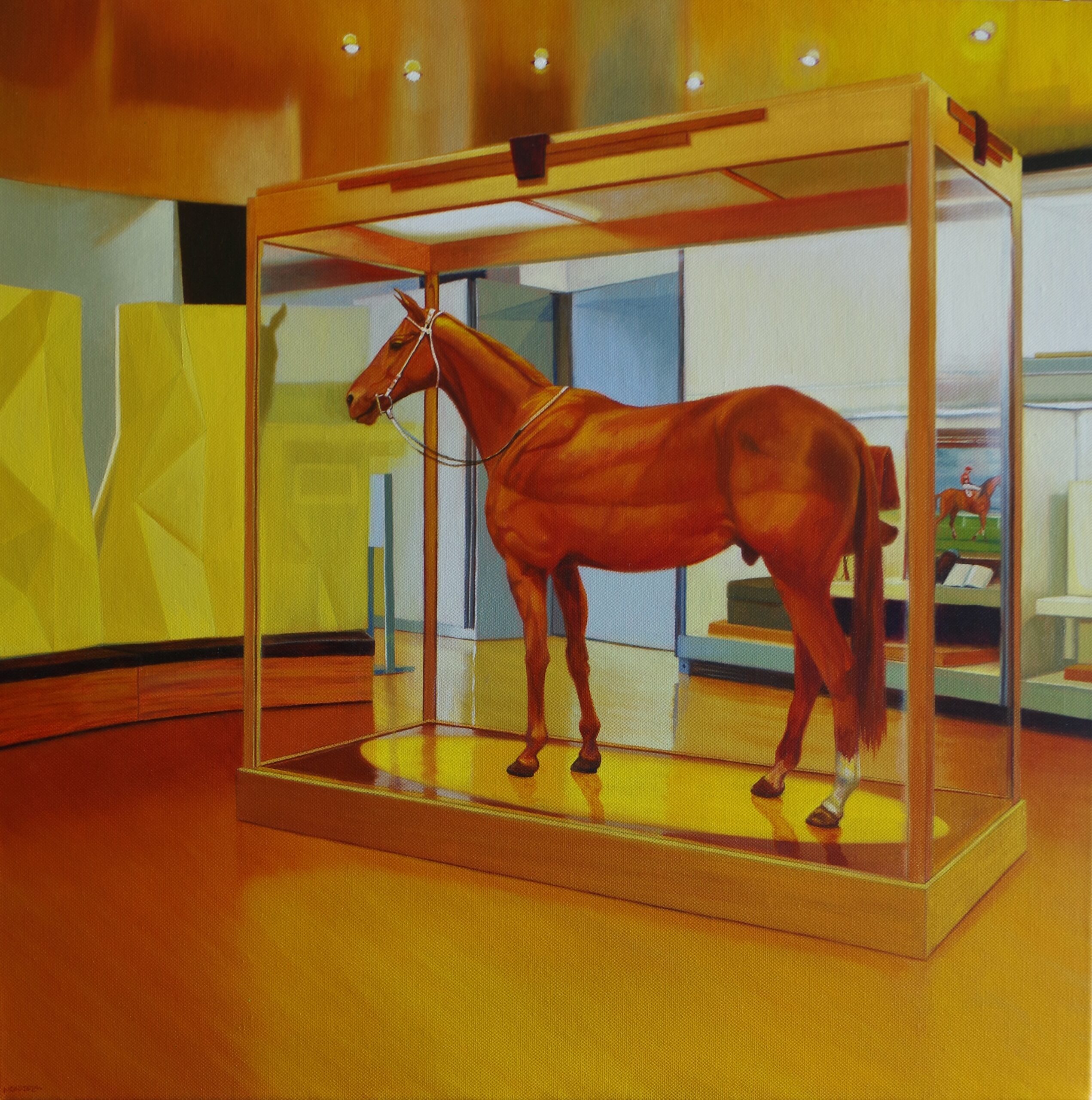
GR Online The vivid hues and spiky leaves of Jason Moad’s Temple of Venus – the arresting artwork featured on the cover of Griffith Review 89:...
Maiden, mother, monster
Non-fiction I FIRST SAW her when I was twenty-one. She was wearing a knitted purple cardigan over a cream collared shirt buttoned to her long throat....

victoria pedretti is my sleep paralysis demon
Poetry act one i try to write a happy poem but i am bed rotting, watching...
