
Featured in
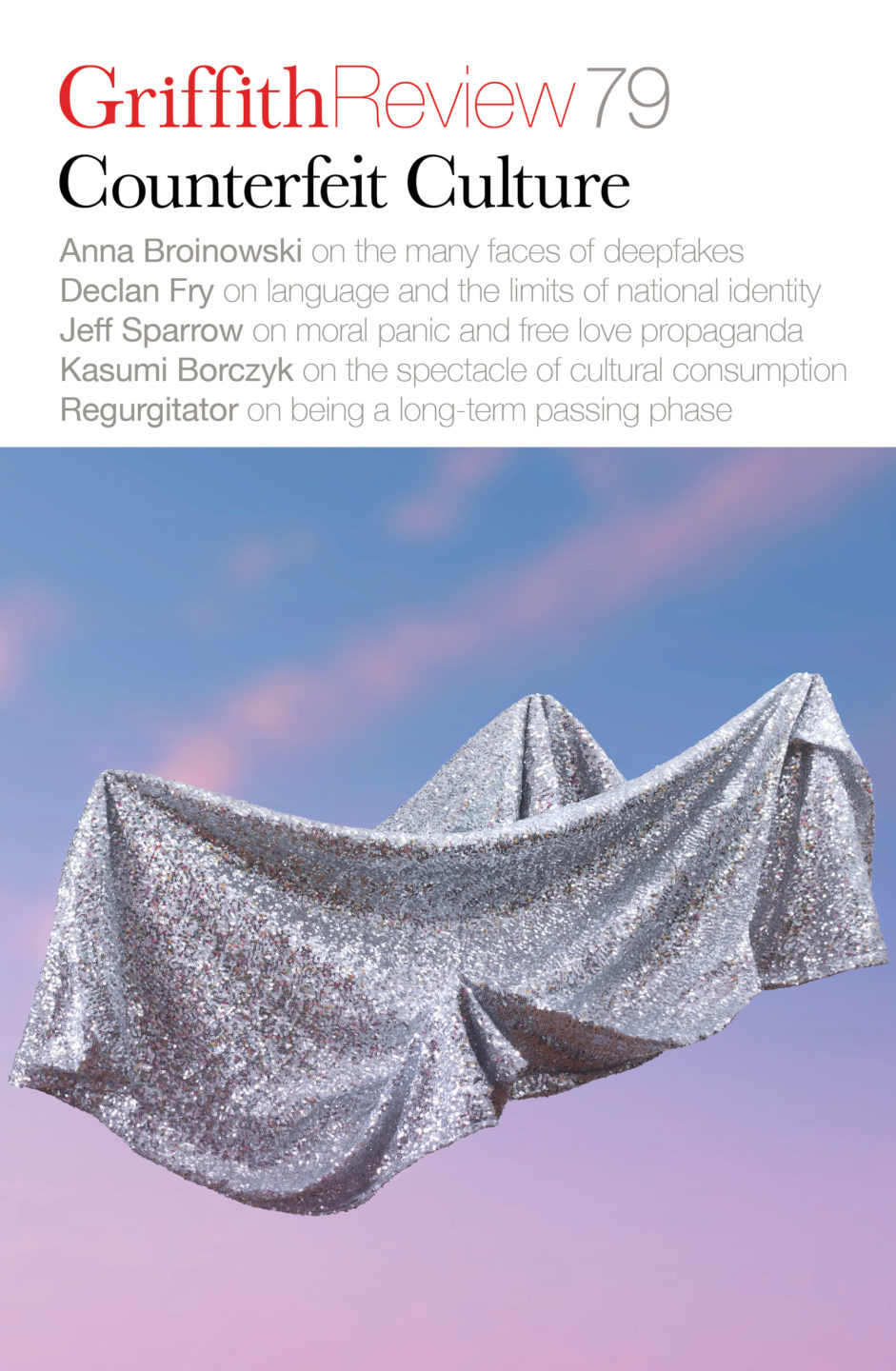
- Published 20230207
- ISBN: 978-1-922212-80-1
- Extent: 264pp
- Paperback (234 x 153mm), eBook
Already a subscriber? Sign in here
If you are an educator or student wishing to access content for study purposes please contact us at griffithreview@griffith.edu.au
Share article
About the author
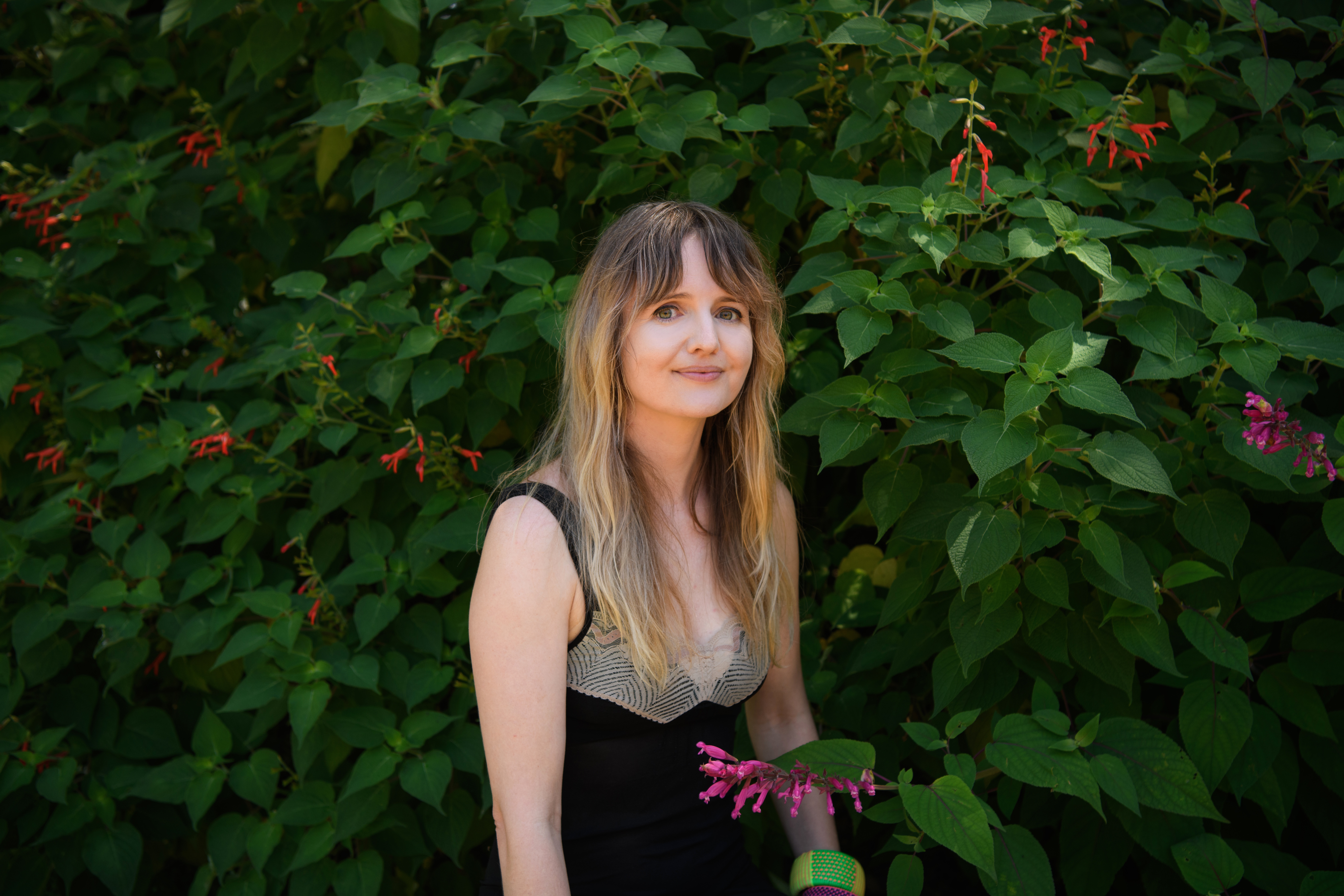
Jo Langdon
Jo Langdon’s writing has been published in journals including Cordite, Island, Meanjin and Overland. In 2018 she was a fellow of the Elizabeth Kostova...
More from this edition
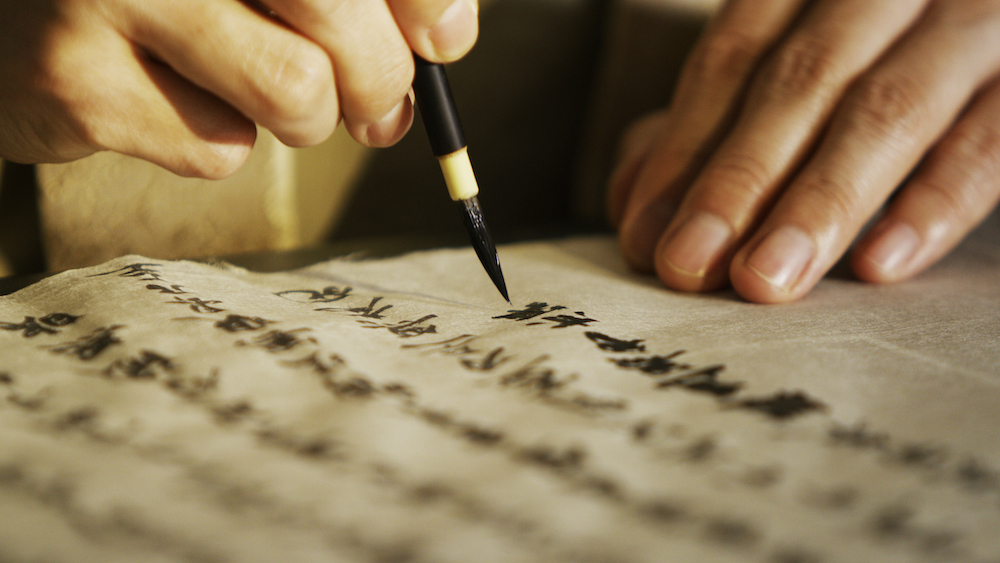
No name for the country
Non-fictionFor the past thirty-odd years, Hideo has worked exclusively in Japanese, publishing several novels and collections of criticism and essays. Why Japanese? is a question he is often asked. It harbours a kind of suspicion: why would a native speaker of the English language, the language of power and prestige and capital ... give it all up in favour of a comparatively minor language, a marked and ethnicised tongue?
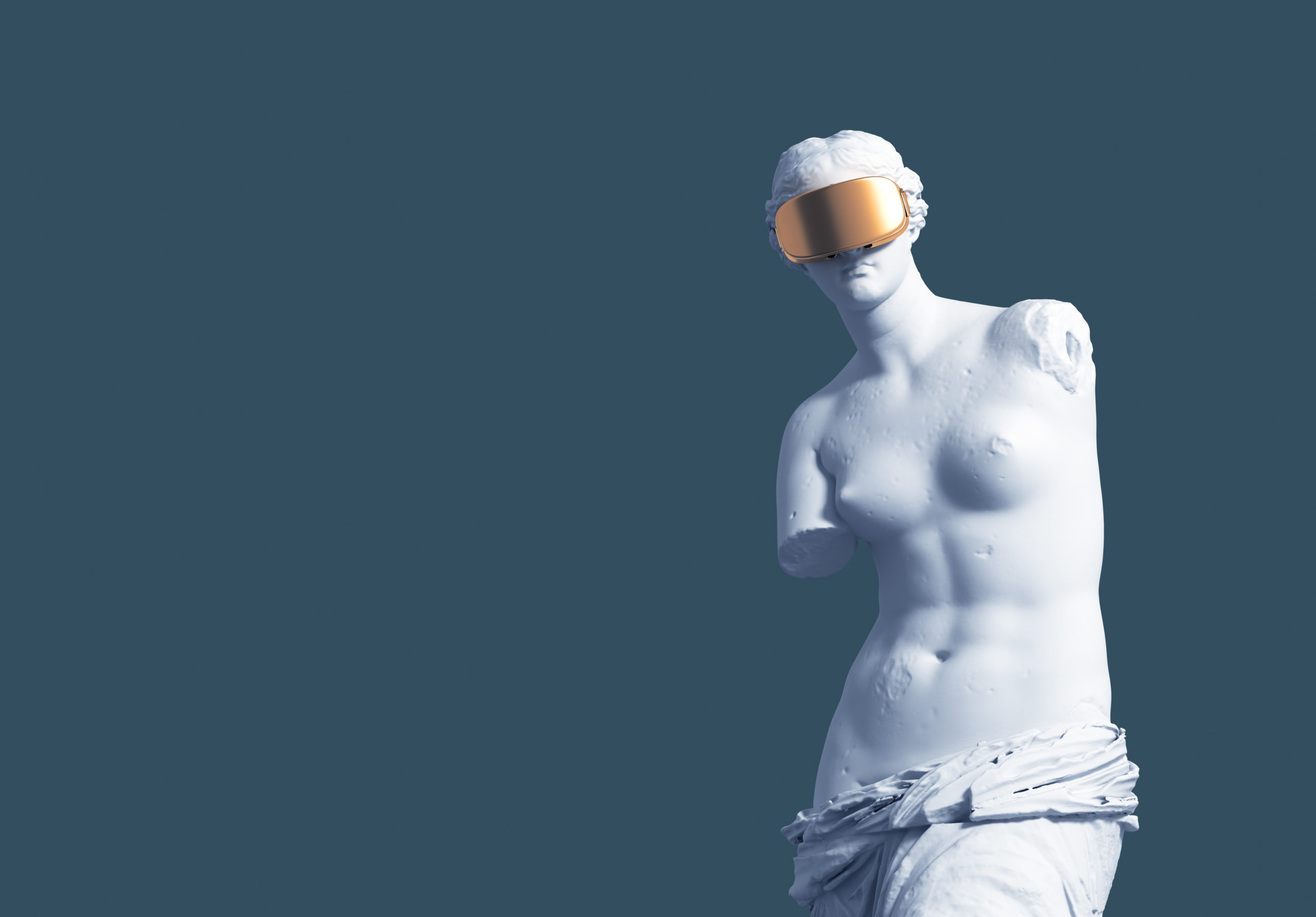
Rogues’ gallery
Non-fictionIn the age of technological optimisation, we are equally as preoccupied with entertainment as we are with devoting leisure time to projects of self-actualisation. The contemporary success of art museums rests on their ability to compound the entertainment value of an amusement park with the promise of an educational experience.
Lesbian search terms
Poetry how does a lesbian love a person can I use a rock to tenderise meat Amazon commercial with the lesbian couple wtf homemade real lesbian things that usually don’t go together but end...
