Outlaw one

Defending identity in the native title area

Featured in

  • Published 20170207
  • ISBN: 9781925498295
  • Extent: 264pp
  • Paperback (234 x 153mm), eBook

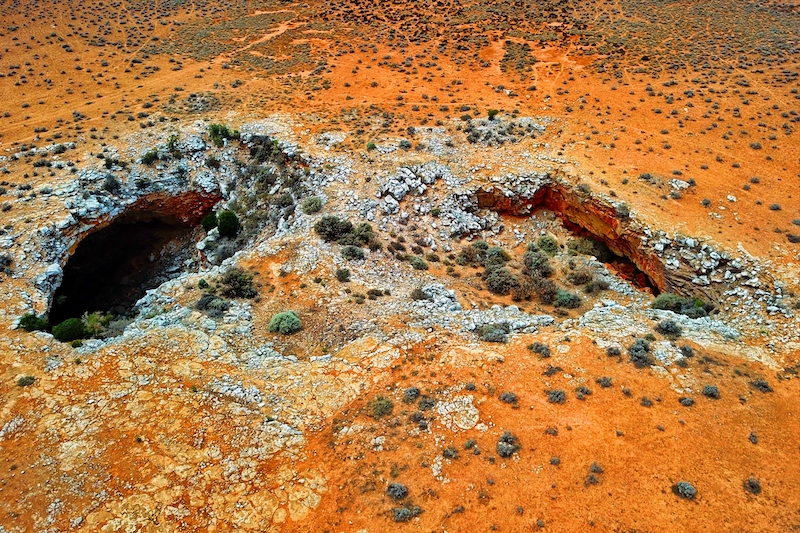
‘THE WIND IS my hairdresser,’ says Sue Coleman Haseldine, known locally as Aunty Sue, stepping out into her dusty yard and letting the hot north wind rush through tangled thick black hair. A wire clothesline stretches across the dirt yard, tractors and car carcasses rust away in a nearby paddock, dogs run out to greet approaching cars, and in the middle of this scene Sue stands with a cigarette in a curled hand. She lives on a wheat farm with her whitefella husband, Gary, near the small, isolated South Australian town of Ceduna. From her yard, a strip of flat grey-blue sea can be glimpsed to the south. North of the chip-dry paddocks, ‘out the back’, lies a vast stretch of bush – stunted mallee shrublands roll away on sandy waves.

The task of the hairdresser is to subdue and shape hair, human hands and tools bringing this naturally occurring stuff under their control. But Sue styles herself in conscious opposition to this, subverting the hierarchy of human will/natural forces. She is drawn to images of wildness and rebellion, joyfully submitting to the wind, which here represents the unpredictable and powerful forces of the natural world and its capacity to overpower human designs.

Already a subscriber? Sign in here

If you are an educator or student wishing to access content for study purposes please contact us at griffithreview@griffith.edu.au

Share article

More from author
Noticing teeth

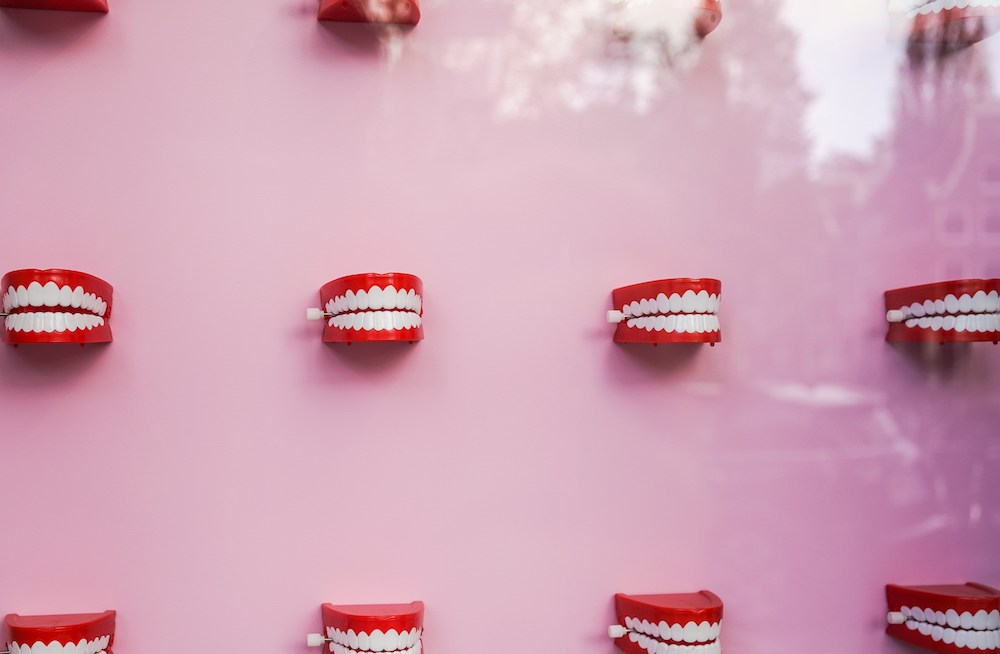
TEETH ARE ONE of the most visible markers of poverty: structural circumstances that are individually borne. In an essay for Aeon, US journalist Sarah Smarsh calls them ‘poor teeth’. She writes: ‘Often, bad teeth are blamed solely on the habits and choices of their owners, and for the poor therein lies an undue shaming.’ And: ‘Poor teeth…beget not just shame but more poorness: people with bad teeth have a harder time getting jobs and other opportunities.’ In the age of ‘whitened, straightened, veneered smiles’, the distance between ruined poor teeth and healthy, wealthy teeth is growing. 

More from this edition

Behind every story

EssayIT MAY NOT be the best painting in the Art Gallery of South Australia, and it may not be the most valuable. But one...

So dry a homeland

EssayTHERE ARE STILL some hot summer nights when I can tool around Adelaide with the windows down and feel like a teenager on the...

Stay up to date with the latest, news, articles and special offers from Griffith Review.