
Featured in
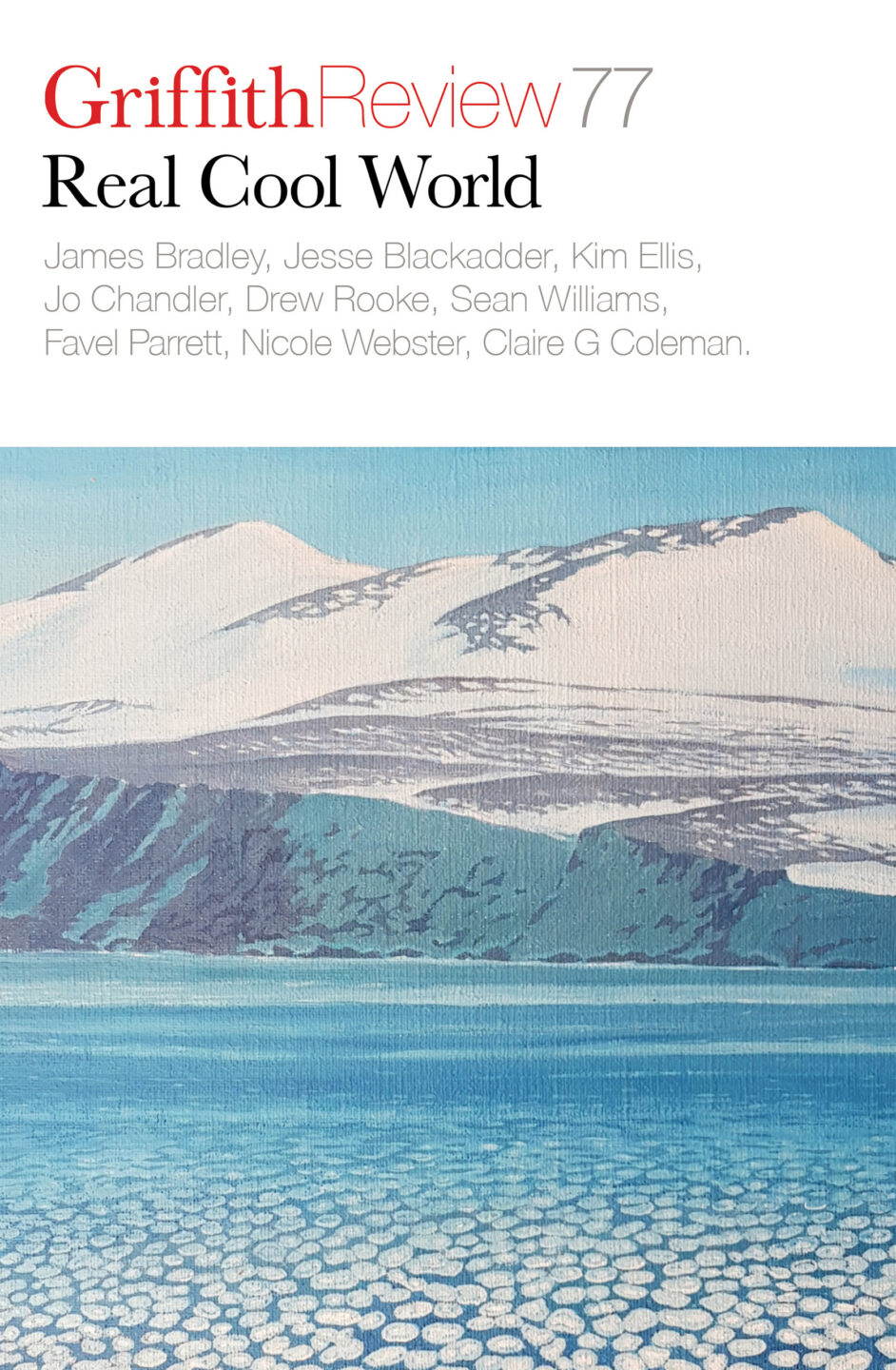
Buy
$27.99
- Published 20220503
- ISBN: 978-1-922212-74-0
- Extent: 264pp
- Paperback (234 x 153mm), eBook

Already a subscriber? Sign in here
If you are an educator or student wishing to access content for study purposes please contact us at griffithreview@griffith.edu.au
Share article
More from author

Boodjar ngan djoorla
EssayMY BONES ARE in the soul of Country, and Country is in my bones. My veins are the creeks that flow to the sea...
More from this edition
A Lullaby Made From Ice
Poetry The closest I’ve ever come to an iceberg is at the bottom of a dime bag. Me, a climate of catastrophe, aching for the...
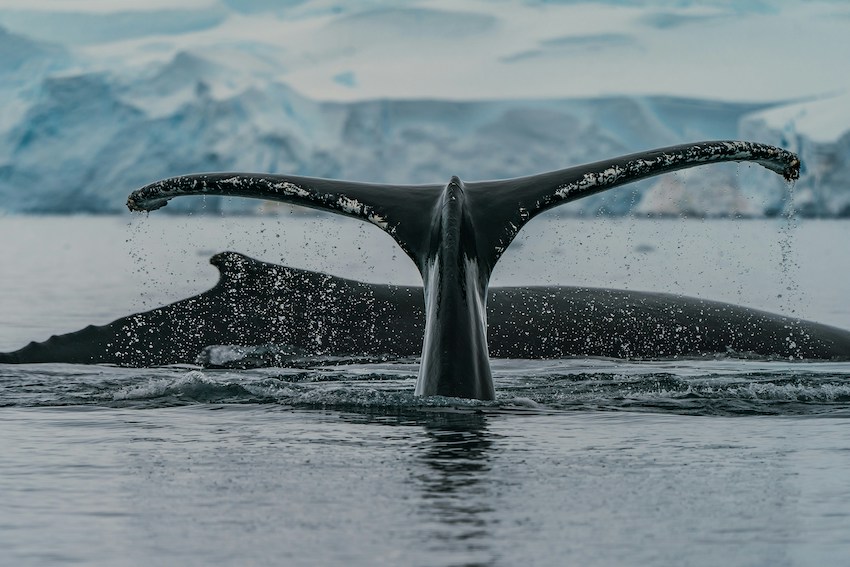
Blinding whiteness
EssayStories of animal migration to Antarctica, such as yalingbila, are reminders of global Indigenous connections to the frozen continent. As our kin traverse Antarctic waters, they too connect with the myriad creatures carving a living out of the ice.
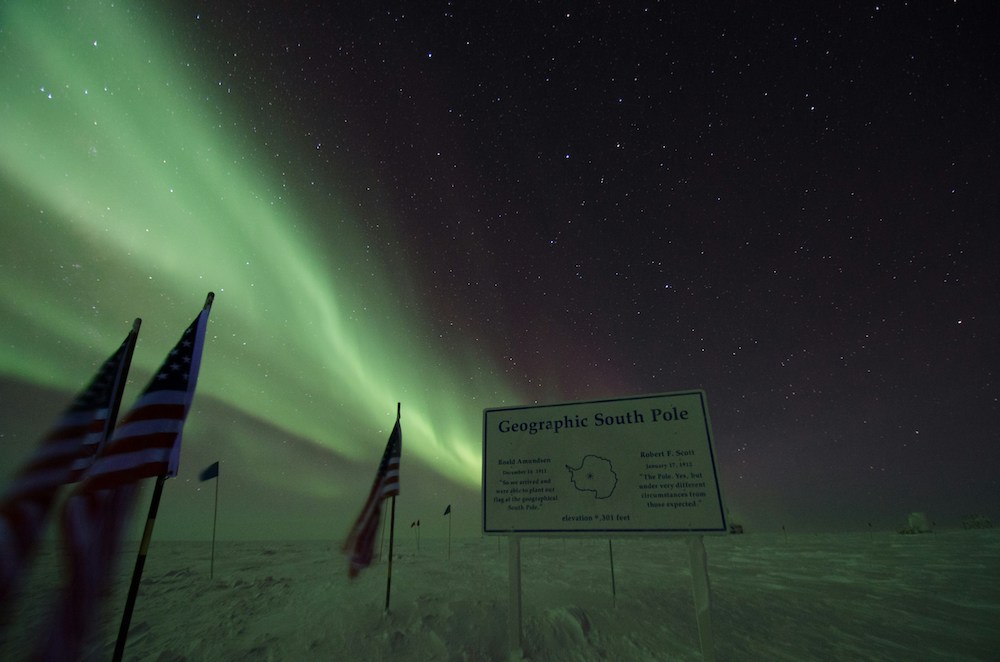
Between different worlds
IntroductionAntarctica offers windows into many different worlds...

Stay up to date with the latest, news, articles and special offers from Griffith Review.