
Featured in
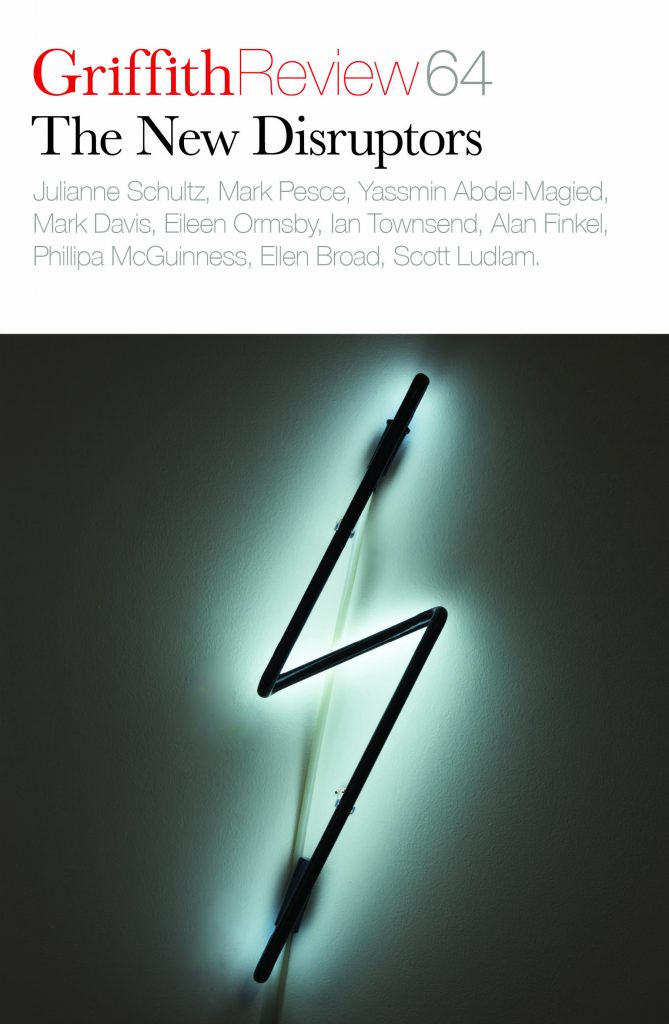
- Published 20190507
- ISBN: 9781925773620
- Extent: 264pp
- Paperback (234 x 153mm), eBook

Already a subscriber? Sign in here
If you are an educator or student wishing to access content for study purposes please contact us at griffithreview@griffith.edu.au
Share article
More from author
The keepers of history
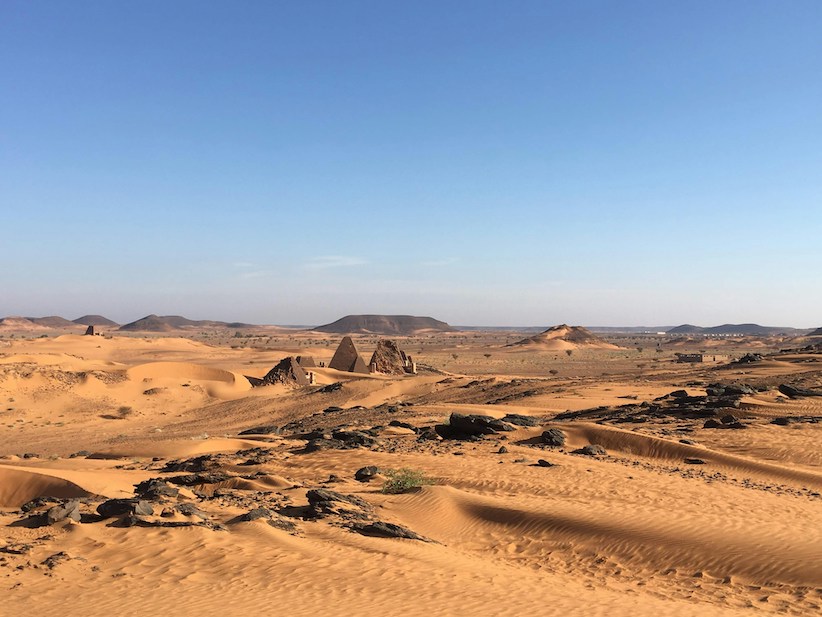
My name holds my history. That is to say, my name carries my father’s name, his father’s name and the father before him, seven generations back. My name allows us to time-travel several hundred years; these men kept alive through me. When I enter Sudan or Egypt, I am asked for at least the first four of these names for identification. My name places me in the context of the people I descend from, as a way to pinpoint to whom I belong.
In truth, my name holds one history. Yes, it is mine, but it is only a single, patriarchal version, rendering women invisible to such an extent that in its next iteration, I would be erased entirely. What can truly be gleaned from names shorn of context? My name is an archive that belongs to me, that defines me, but over which I have no curatorial power. I rankle at this, yet I understand this dynamic is the norm rather than an exception. The archive is a site of political struggle, whether in a name or national institution, speaking to who is remembered and who decides what is worth remembering.
More from this edition

Sortition
EssayANY DEMOCRACY WORTHY of the name must be an ongoing experiment in institutional design: there must be a willingness to adapt the ways in...
The network versus the hierarchy
Essay‘IT IS EASIER to imagine the end of the world than to imagine the end of capitalism.’ So wrote the critical theorist Fredric Jameson...
Dealer’s chance
Reportage‘IT HAS THE capacity to change everything – the way we work, the way we learn and play, even, maybe, the way we sleep or...
