
Featured in
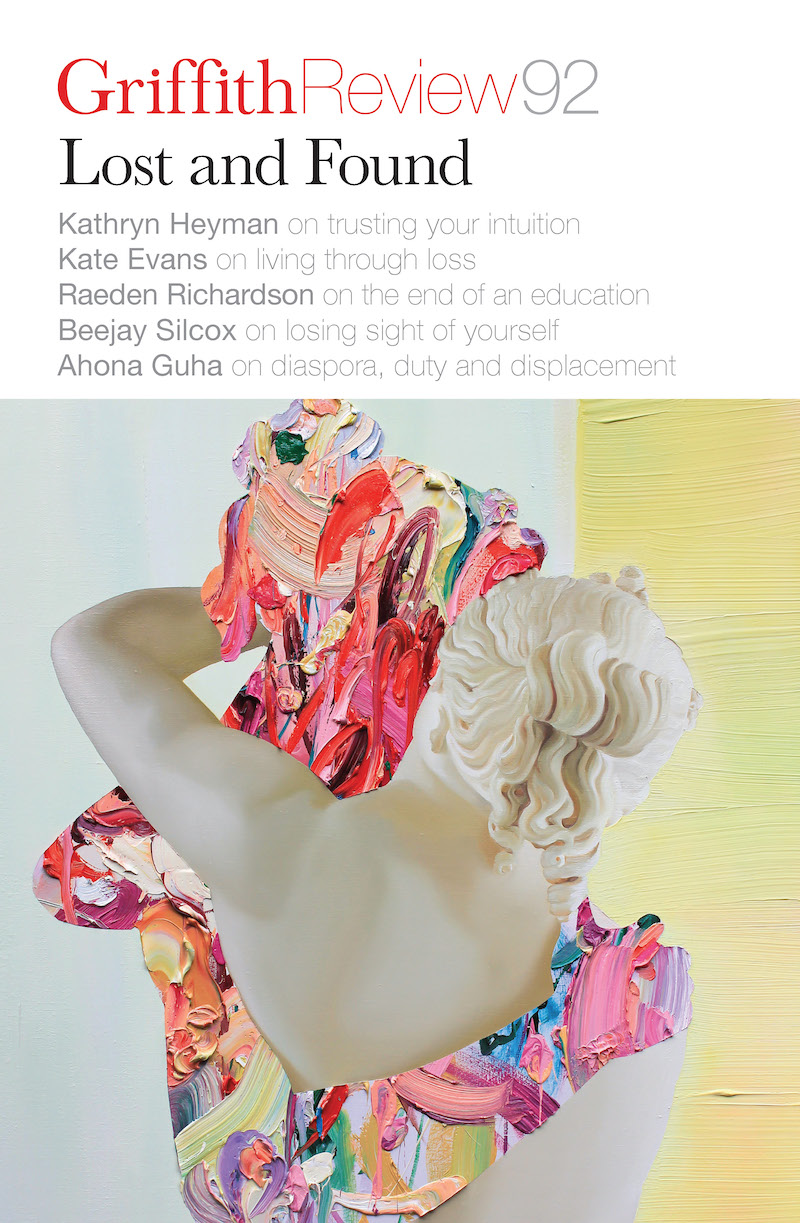
- Published 20260505
- ISBN: 978-1-923213-19-7
- Extent: 196pp
- Paperback, eBook, PDF

Already a subscriber? Sign in here
If you are an educator or student wishing to access content for study purposes please contact us at griffithreview@griffith.edu.au
Share article
More from author

Religion as resistance
In their youth, my parents participated in the anti-apartheid movement, attending meetings and outlawed protests. From birth their lives had been prescribed by the apartheid regime, from the suburbs they could live in to the beaches they could swim at to the benches they could sit on; there was little it saw fit to leave unregulated. Both of their families had been forcibly relocated from District Six when it had been reclassified as a whites-only area. They attended Coloured schools, where they were taught by both white and Coloured teachers. At one of these schools, my teenaged mother challenged a teacher for making a racist comment and subsequently chose to leave the school when they backed the teacher instead. My father’s father was a Shaykh, his uncle an eminent Islamic scholar known across both the Cape and wider South Africa.
Theirs was a small, tight-knit community in which everyone knew everyone else. They had in-jokes and made darkly humorous attempts to cope with the difficulties of life… They married exclusively within the community or sometimes to those classified as Asian; to have relationships with a white person would have contravened a piece of legislation called the Immorality Act. In many homes people gathered regularly, particularly on Thursday nights ahead of the holy day of Friday, to make dhikr, melodic remembrances of Allah. These Thursday night gatherings were known as gadats and were typically accompanied by a cardamom-spiced milk drink known as gadatmelk (translated literally as ‘gadat milk’). It is said that the melodies of gadats were born from slavery, disguising religious practice as mere singing to the ears of their masters.
More from this edition
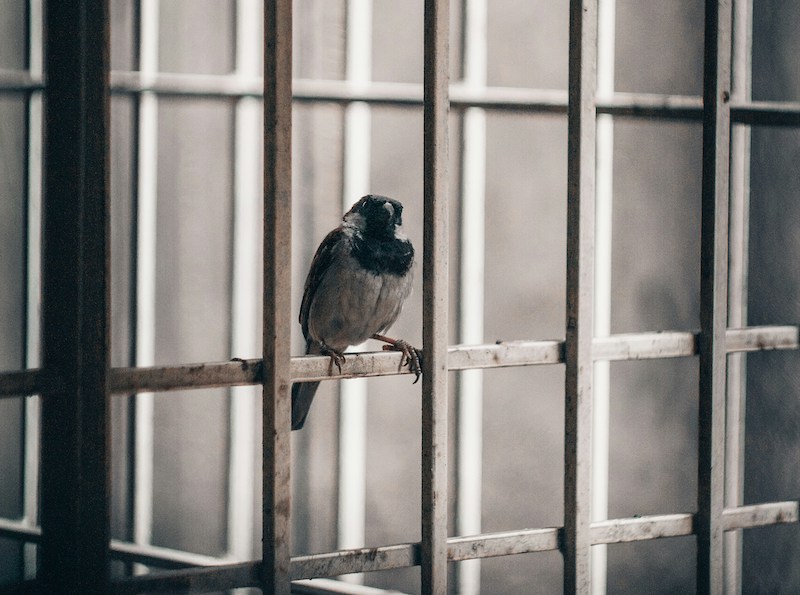
Bucket of water
Non-fiction I HAVE A memory of being about five years old in the backyard of the house I grew up in. I’d noticed ants climbing...

Final five days
Non-fiction THAT MONDAY IT was hot. Sydney hot. Classic hot. Veering towards 40 degrees even though it was early March and we should have been...
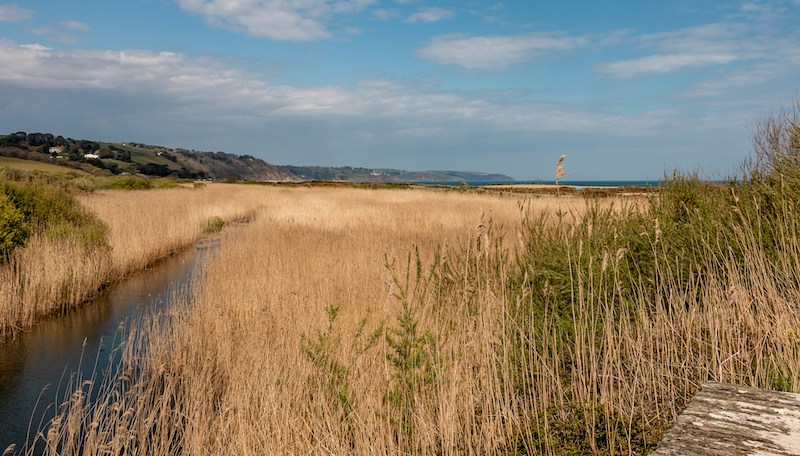
Slapton Sands
Non-fiction ON THE SOUTH coast of the United Kingdom, in the county of Devon, there’s a triangular sprawl of land that juts out into the...
