
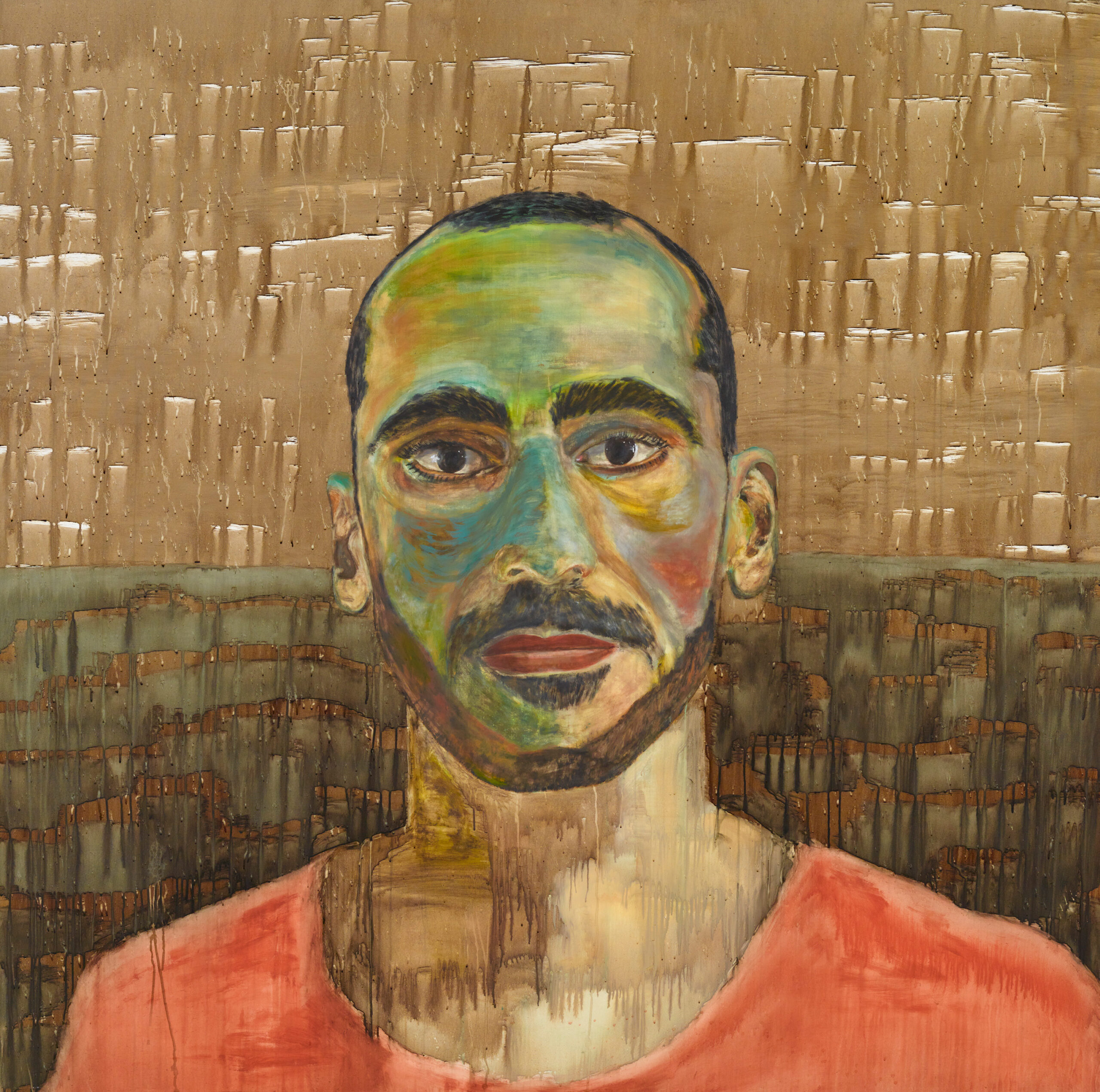
Painting behind bars
The art of fighting for freedom
Featured in

- Published 20250204
- ISBN: 978-1-923213-04-3
- Extent: 196 pp
- Paperback, ebook. PDF

Already a subscriber? Sign in here
If you are an educator or student wishing to access content for study purposes please contact us at griffithreview@griffith.edu.au
Share article
About the author
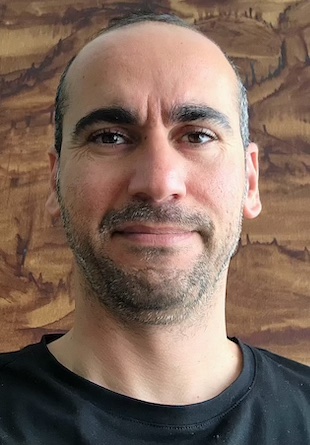
Mostafa Azimitabar
Mostafa Azimitabar is a human-rights activist and two-time Archibald Prize finalist. As a refugee from Kurdistan, his status as an Australian resident is yet...
More from this edition

hearth
Poetry yes, one day, finally, it will all fall away like all dead things we will sit again by the campfire story illuminating the fall of empire one day again we...

Safe as houses
IntroductionSometimes, if I can’t get to sleep, I imagine I’m back in the house where I grew up... I like to go back there in my mind’s eye, conjuring the slightly crooked hallway, the doors that never neatly fit their frames, the tiny kitchen with its overwhelmingly wheaten spectrum of 1980s browns. Like handwriting on old foolscap, the more specific details have long faded with time, but the feeling remains: that ineffable sense of calm and familiarity that I associate with being home.

Mudth
Non-fictionMy family has its roots in several parts of the world: the Lui branch in New Caledonia, the Mosby branch in Virginia in the US, and the Baragud branch in Mabudawan village and Old Mawatta in the Western Province of PNG. Growing up, I spent most of my childhood with my Lui family at my family home, Kantok, on Iama Island. Kantok is a name we identify with as a family – it’s not a clan, it’s a dynasty. It carries important family beliefs and values, passed down from generation to generation. At Kantok, I learnt the true value and meaning of family: love, unity, respect and togetherness. My cousins were like my brothers and sisters – we had heaps of sleepovers and would go reef fishing together, play on the beach and walk out to the saiup (mud flats). I am reminded of these words spoken by an Elder in my family: ‘Teachings blor piknini [for children] must first come from within the four corners of your house.’
