
Featured in

- Published 20240806
- ISBN: 978-1-922212-98-6
- Extent: 216pp
- Paperback, ePUB, PDF

Already a subscriber? Sign in here
If you are an educator or student wishing to access content for study purposes please contact us at griffithreview@griffith.edu.au
Share article
More from author

Only dead writers have archives
I was surprised to find that the internet was also a useful place to teach creative writing. The student cohort for the course was satisfyingly international, and discussing assignments online sometimes made for more considered responses than those made during a more traditional in-person workshop setting when nerves or shyness might have intervened.
More from this edition
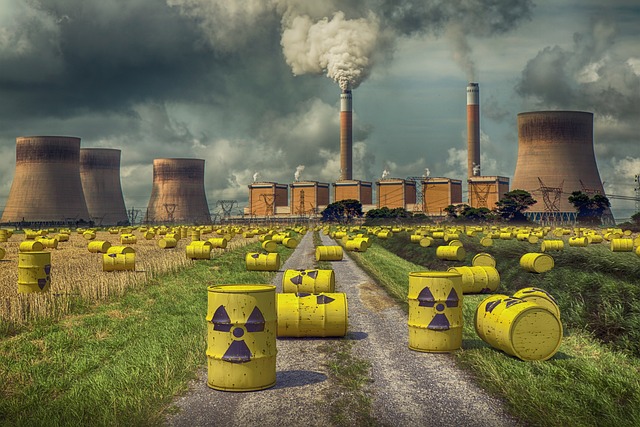
Radioactive fallout
Non-fictionThe quake lasted six minutes – the office floor jolted convulsively; metal shelves rattled, files fell with a cacophony of thuds, and the structure of the building seemed to be squeaking. And then it stopped. My office building hadn’t collapsed. Neither had our apartment; my husband and son weren’t hurt. But it wasn’t the end. The Fukushima Daiichi Nuclear Power Plant had lost power, which was required to cool both the reactors and spent fuel rods. The government was braced for the worst: massive explosions or core meltdowns. A nuclear emergency was declared at 7.03 pm.
Into the void
Non-fictionThe singular achievement of mass politics was allowing otherwise powerless individuals a greater say in how society was ruled. It gave ordinary people the kind of status that hitherto they could hardly imagine. Its withering away, therefore, has allowed those in society whose status has always been higher to assert their interests more fully. Business and the wealthy are no longer forced to make big compromises to accommodate the interests of those below them in the social pecking order. For example, trade and financial liberalisation policies have permitted many companies to shift production, and even some services, offshore to capitalise on lower labour costs, weakening unions’ bargaining power considerably. Many lower paid workers have been pushed into insecure, low-paid jobs with poor conditions, a transformation justified by political and economic elites as contributing to greater economic ‘efficiency’ and labour market ‘flexibility’. Owners thus pocket a greater share of the economic pie, while workers’ incomes often stagnate or even decline in real terms, causing wealth inequality to rise steeply...

the road of ghosts
FictionGraeme works with me almost every day of each school holidays. He conducts sessions that stretch from an hour into two. He teaches me how to shoot; he splinters my form down into nothing and then restructures it until it is exact. Fingertips: the ball slides through the air into the ring. He shuffles after each rebound, his returning pass precise. Graeme pours himself into me. He is patient. He is generous. He is firm, like a grandfather.
