Featured in

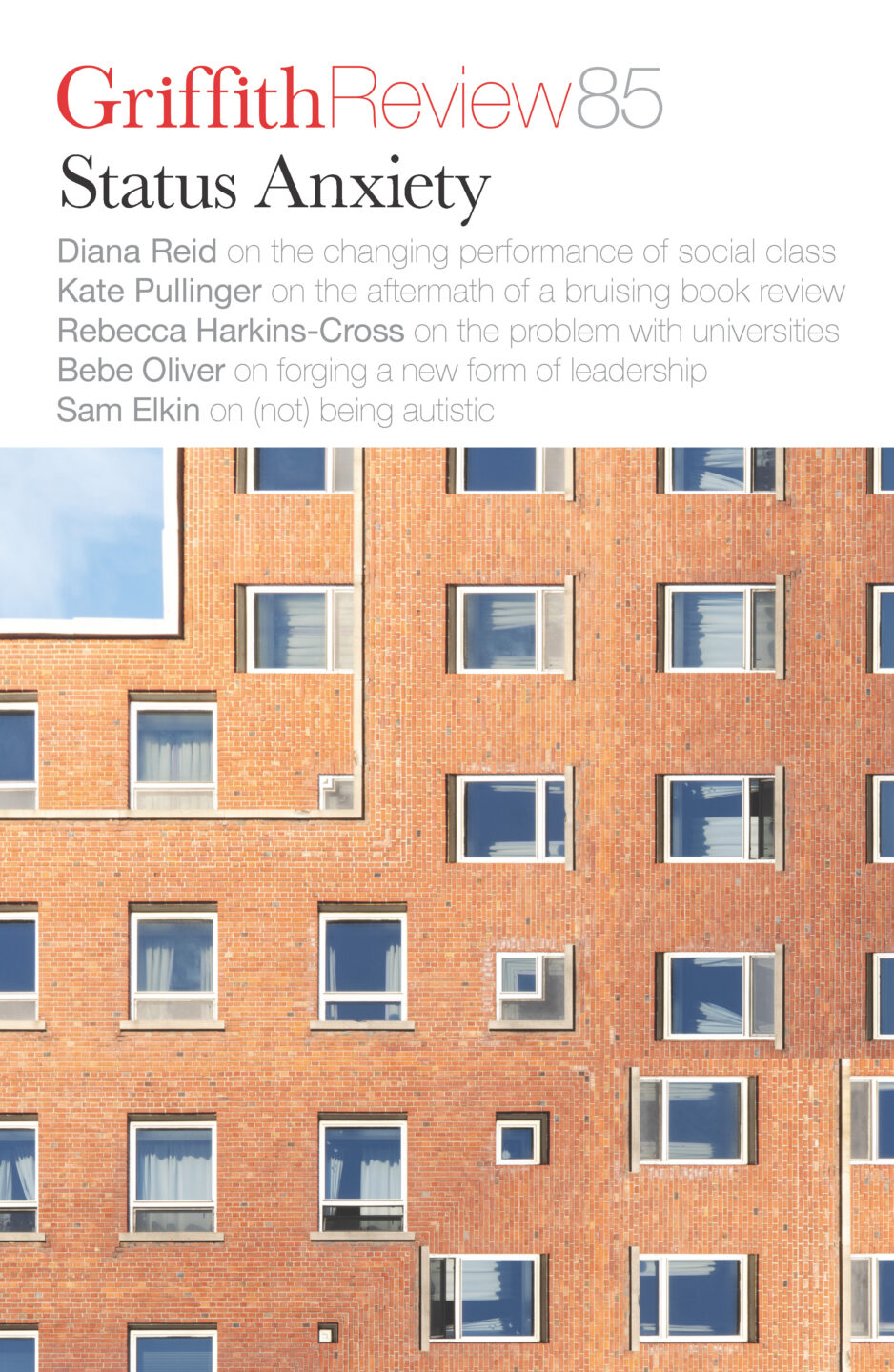
  • Published 20240806
  • ISBN: 978-1-922212-98-6 
  • Extent: 216pp
  • Paperback, ePUB, PDF

THE MANUAL WAS the most useful thing our parents left us. Without it we wouldn’t have known how to operate the generators or grow food in the greenhouse, or anything. We wouldn’t have known our own bodies. Hunter had started asking questions, saying the manual was out of date and we couldn’t trust it, but I thought the opposite. What if the manual contained the secret to crossing the mountains? But yeah, I got where Hunter was coming from. He was bored. We were all so fucking bored. After a while, boredom takes over everything.

The first decade on our own was kind of exciting. We kept expecting someone to come in and say, Don’t touch that! Put that down! Go to bed. It’s late! The second decade we were all like, Okay, this is our place now. We decorated the corridors with torn pages from old picture books, painted the inside of the glass dome in bright colours, tried to read as much of the manual as we could. Then boredom started settling in, so we made our first attempts at travelling, but the surrounding mountains were too rocky and steep, no matter which path we took. By the third decade I wondered why our parents hadn’t left us a vehicle. Sometimes the lake froze over, but we had no skates and the ice was too thin for a sled. The fourth, fifth, sixth and seventh decades filled me with bitterness. I felt like the big oak tree in the centre of our play garden, stuck in the same place forever. Except even the oak tree’s life was more interesting because when it was small Parent 3 had told us to be careful not to step on it, and now it was this huge thing with ugly tree wrinkles and scars in the trunk from the branches we cut off to build a raft one summer, but I’d hardly grown at all. I guess I wasn’t a lot of fun to be around when I had these thoughts.

Already a subscriber? Sign in here

If you are an educator or student wishing to access content for study purposes please contact us at griffithreview@griffith.edu.au

Share article

About the author
Greg Foyster

Greg Foyster is a writer and illustrator living on Wadawurrung country, Geelong. His short stories have been published in Meanjin, Overland, Aurealis, The Big...

More from this edition
New shoes

FictionThis is where I work: the kind of sneaker store that stocks shoes with the names of famous American rappers or athletes. The kind of sneaker store with plywood everywhere and hip-hop and young staff who look like customers except for their fluoro lanyards.  Tomorrow a famous American basketballer will drop his new line of shoes.  At our morning catch-up, Corrine reads out a list of names. It’s the staff who have pre-paid for the shoes. I am on the list, and Jules and Ruby are too. Corrine reminds us that this is a ‘privilege’ for staff.

Class acts

Non-fictionSocial media has made available to us whole new audiences and vectors for class and lifestyle performance. Where previously your political commitments or what books you were reading might have been topics of conversation with close friends at the pub, now they can be projected to hundreds or thousands of followers. Eating at a restaurant is another example; a previously private and intimately social act can now be a place to be seen, not by the people you’re dining with, or even the other patrons, but by everybody who follows you.

The Juansons

FictionIn the morning, she walks over to the Johnsons’ place and knocks on the door. Nothing. She calls the police, but once the officer on the phone understands that Norma is not the boy’s kin, he brushes her off. She makes coffee and goes into the living room and turns on CNN. A banner across the top of the screen reads: INSTANT E-DEPORTATIONS ACROSS US. 

Stay up to date with the latest, news, articles and special offers from Griffith Review.