
Featured in

- Published 20230801
- ISBN: 978-1-922212-86-3
- Extent: 200pp
- Paperback (234 x 153mm), eBook


Already a subscriber? Sign in here
If you are an educator or student wishing to access content for study purposes please contact us at griffithreview@griffith.edu.au
Share article
About the author

Jenni Mazaraki
Jenni Mazaraki is a writer living on Wurundjeri land (Melbourne). Her work has been published in the Australian Poetry Journal, The Suburban Review and...
More from this edition

Revolutionary wave
Non-fictionThis was the late ’60s, early ’70s and surfing in Wales was regarded by the parent generation as delinquency. It was for losers, layabouts, rogue males. In those early days Welsh surfers numbered around one hundred, congregated on half a dozen beaches down fifteen miles of coastline west of Swansea, known as the Gower. I knew each one of those surfers by the styles they deployed on the waves. So idiosyncratic was early Welsh surfing that out on the road if you saw a car with boards on the roof coming at you, both drivers would pull over for a chat.
The rise and decline of the shopping mall
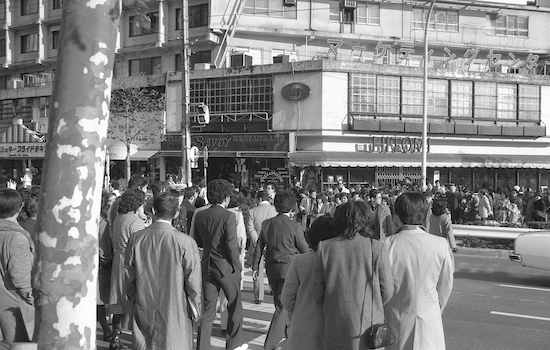
FictionPerhaps it is instructive to consider how archaeologists of the future may conceive malls. How might they seem, these empty labyrinths – like rituals that had to be endured in order to receive goods and services? As great monoliths, colosseums constructed for our entertainment? As places of worship? Or perhaps malls will seem more like pyramids do to us: mysteries to be unravelled when the tracks of global trade and communication have faded...
In the fullness of time
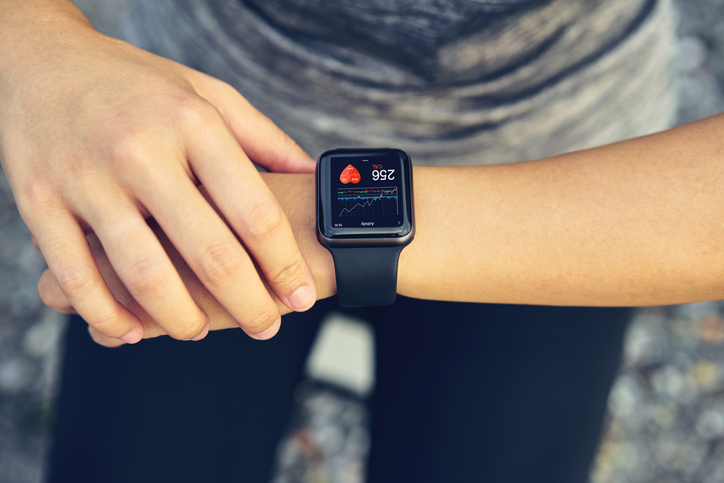
Non-fictionOur devices and data are more than extensions of our physical bodies. The so-called ‘human-centric’ approach to designing wearable and carriable devices means that they disrupt traditional divisions between work and leisure, production and consumption. It’s difficult not to feel the incursion of work-logics into leisure times and spaces as normal. Stretched for time, couples, families and friendship groups are starting to organise themselves using tools like Slack, Jira, Trello and Asana – that is, in the same way as workplaces.
