
Featured in

- Published 20230502
- ISBN: 978-1-922212-83-2
- Extent: 264pp
- Paperback (234 x 153mm), eBook


Already a subscriber? Sign in here
If you are an educator or student wishing to access content for study purposes please contact us at griffithreview@griffith.edu.au
Share article
More from author
The shape of memory
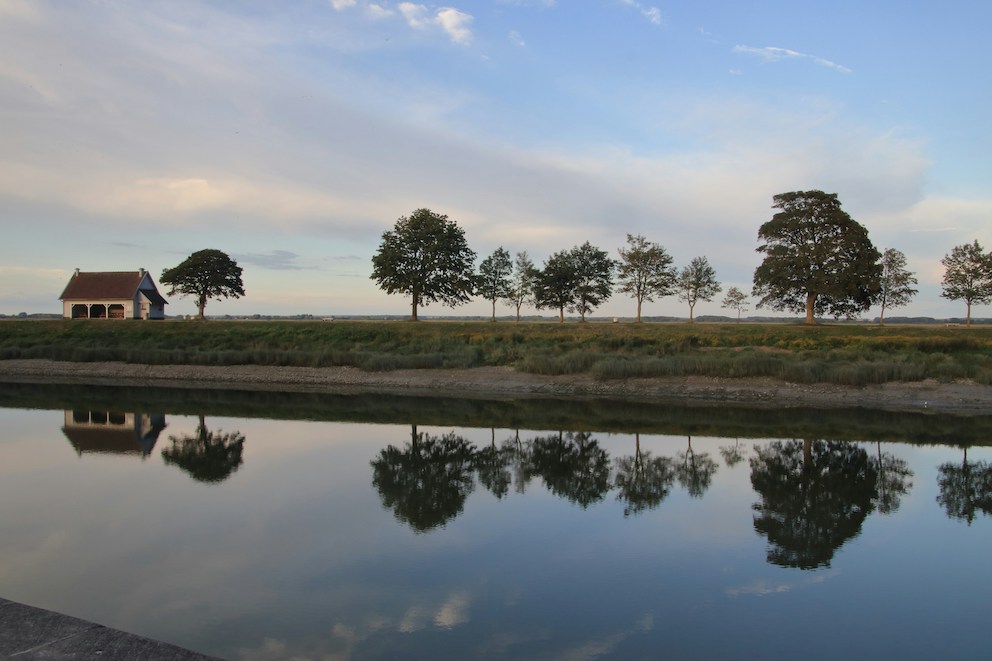
I sit by the river searching for someone our national memory keepers sought to erase: my great-grandfather. Bundjalung man William Olive served across the Western Front in World War I. Aside from his digitised war record, the archives I have sought are almost silent. He enlisted when the Defence Act outlawed Aboriginal service. He suffered through two brutal offensives: the Somme and the Ypres Salient. He was wounded near Pozières in 1916, not far from this river in Amiens. William and I are separated by time and silence. But silence is a powerful act of agency. It can be revolutionary to hold your tongue, to refuse the container of words. Maybe a river can speak, but what if it, too, chooses silence?
More from this edition

Rare
PoetryThere are many ways to carry a story. My father smothered his stories with bravado. Here he is, laughing at the sea drenching him on the deck.

On the right track
Non-fictionWhen the National Cultural Policy was released, the Albanese government stated their commitment to developing legislation to protect Indigenous Cultural and Intellectual Property. At last there will be a legal framework which can not only protect Indigenous peoples’ rights, but also set the pathway for better sharing of culture and greater respect for Indigenous cultures as the oldest living cultures in the world.
A Martuwarra Serpent stirs in its sleep…
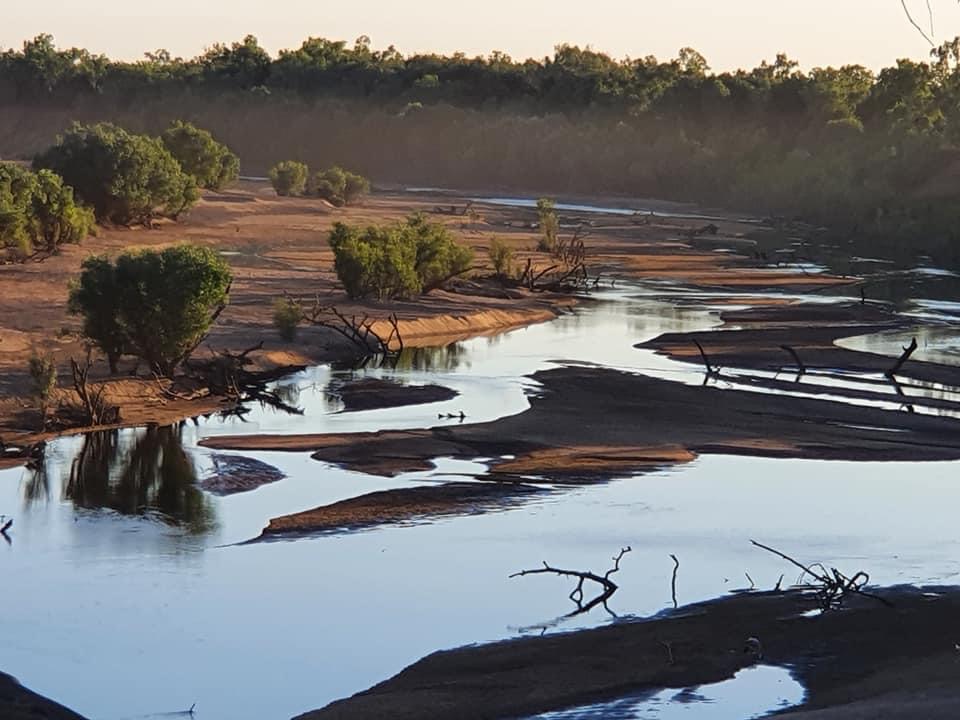
Non-fictionAboriginal people are usually confident in the enduring nature of knowledge (not just belief) because that other mob down the road has the same story, or a similar one. It is a multispecies and layered story, and that is precisely what makes it creative, unlike so much of continuing Western materialist ideas and practices.
