
Featured in

- Published 20241105
- ISBN: 978-1-923213-01-2
- Extent: 196 pp
- Paperback, ebook, PDF
Already a subscriber? Sign in here
If you are an educator or student wishing to access content for study purposes please contact us at griffithreview@griffith.edu.au
Share article
About the author

Dominic Symes
Dominic Symes is the author of the collection I Saw the Best Memes of My Generation, published in 2022 by Recent Work Press. He...
More from this edition
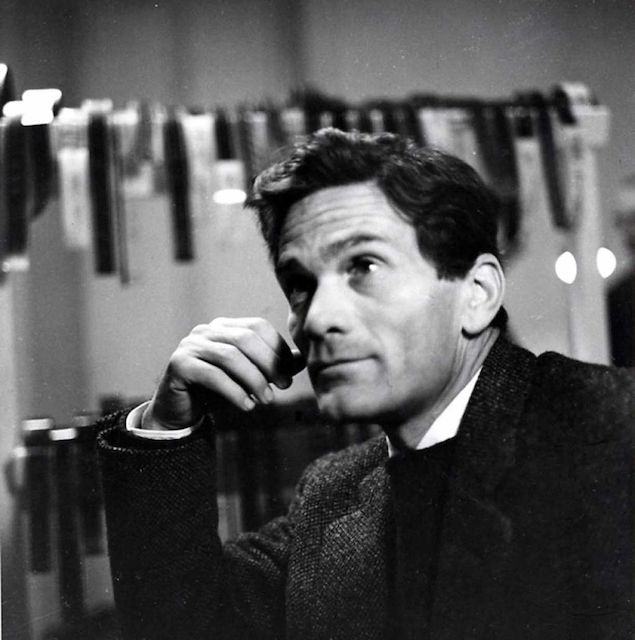
Gay saints
Non-fictionWhat is it that makes cinema, for Pasolini, sacrosanct? The answer lies in his affinity for a painter who made only one fresco. Not only was Caravaggio’s reputation restored by Pasolini’s teacher and mentor, Roberto Longhi, but Caravaggio and Pasolini have the same taste in men. Swarthy, young and savage – as likely to sit for a portrait or engage in a bit of sloppy top as to stick a knife in your ribs. You wouldn’t want to run into his John the Baptist in a dark alley (unless maybe you would). It is not just the revolutionary psychology of Caravaggio’s painting that speaks to Pasolini but his selection of subjects – his sacralisation of the scorned, the unclean, the seething subproletariat both created and rejected by an indifferent urban landscape; Caravaggio’s ‘new kinds of people’.

The power of a curse
Non-fiction IT WAS JANUARY 1995 when my father showed me how to lay a Gypsy curse. I had just published my first novel, Crazy Paving, and...
Feeling our way to utopia
Non-fiction JANE AUSTEN WAS just twenty-one years old when she wrote her first novel, Sense and Sensibility. Today, we understand her works as more than...
