
Featured in
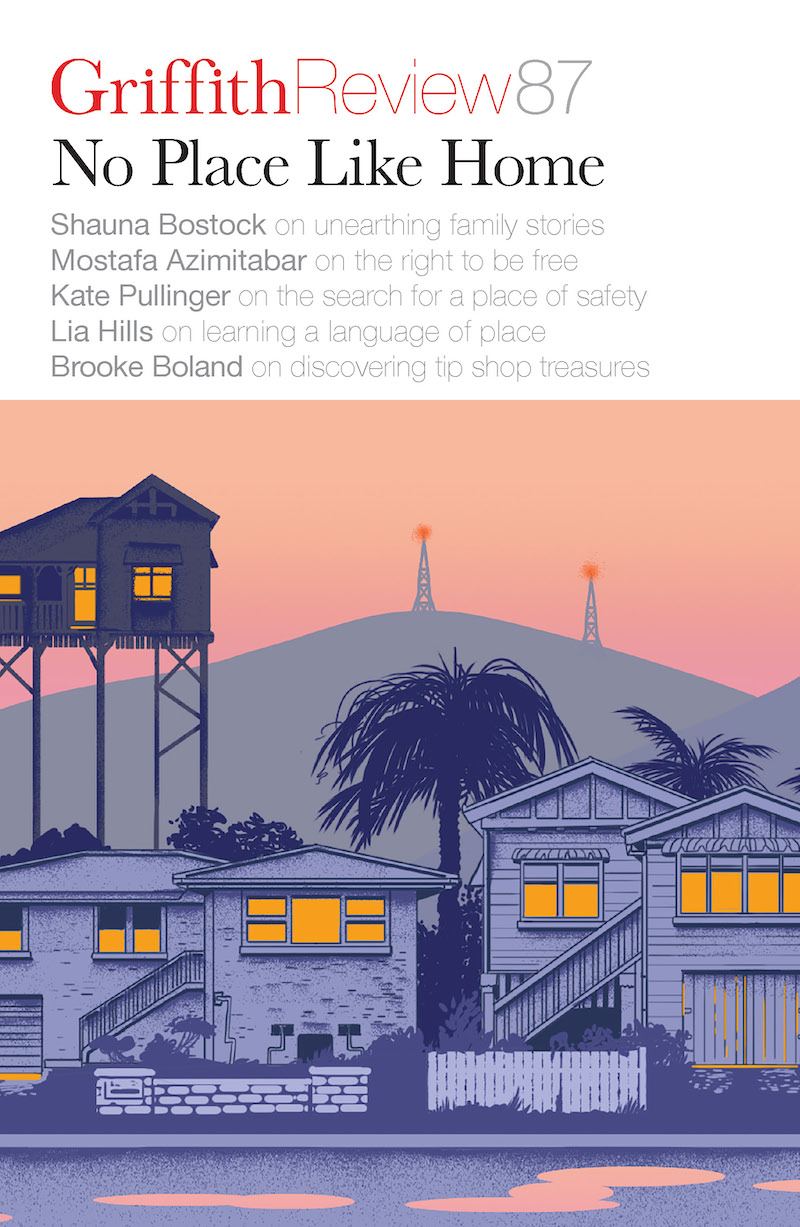
- Published 20250204
- ISBN: 978-1-923213-04-3
- Extent: 196 pp
- Paperback, ebook. PDF

Already a subscriber? Sign in here
If you are an educator or student wishing to access content for study purposes please contact us at griffithreview@griffith.edu.au
Share article
More from author

Dog people
Non-fictionWe’re social animals, humans – from the wiring of our brains to the shape of our societies. If recent pandemic lockdowns taught us one thing, it’s that we need to be physically close to each other, to socialise not just as avatars or gigabits but as live, warm, fallible bodies. Our dogs knew this ages ago.
More from this edition
Mesopotamia
FictionTheir camp is on a floodplain, dirt baked dry for now, among a stand of black box trees. Close to the bank, river red gums tower and would provide better shade, but Kim had been worried about falling branches. From a rise near their tent, they can monitor the vast, slow drift of the watercourse, progress marked by its bobbing contents. Wordlessly, this is how they spend most of their time.
No secret passageway
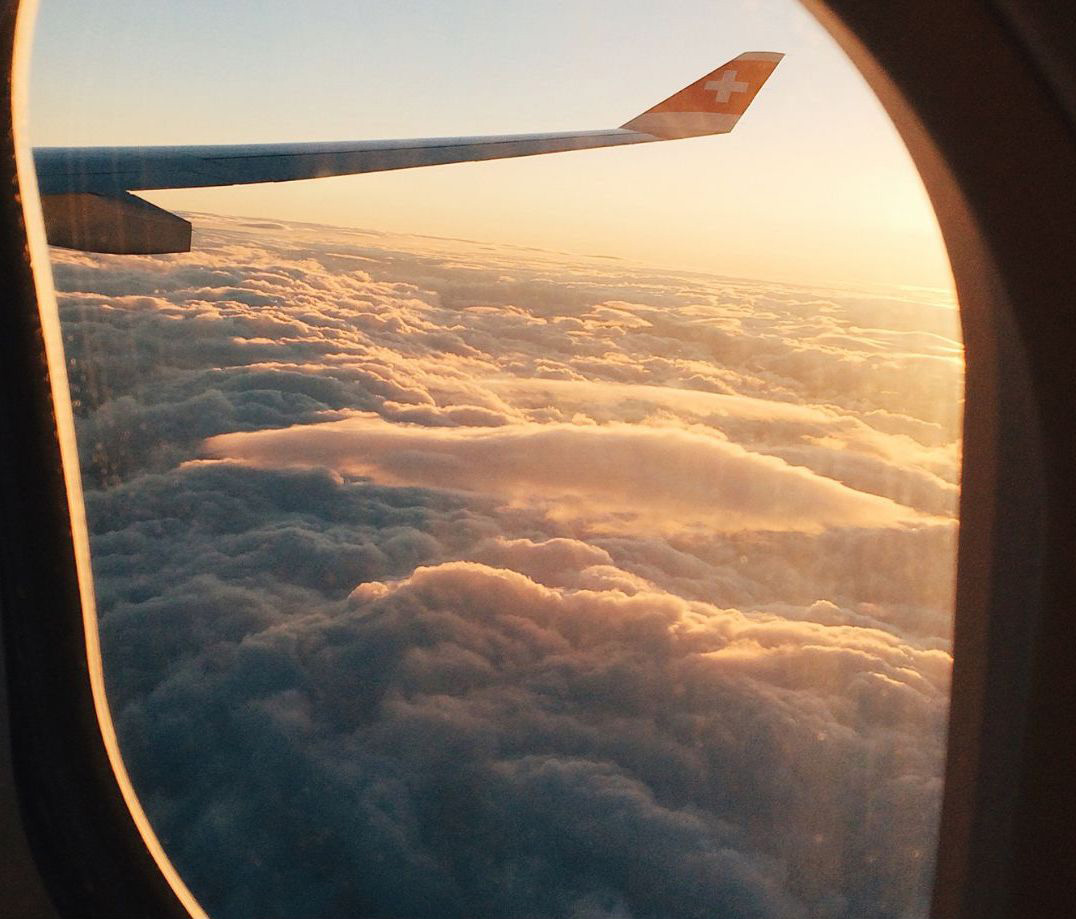
Non-fictionIn 2001 I read an article in The Guardian newspaper about a man who fell from the sky, landing in a superstore car park not far from where I live in London. The article, by journalists Esther Addley and Rory McCarthy, detailed how the Metropolitan Police discovered the dead man’s identity through a combination of luck, Interpol and British-Pakistani community workers. Muhammad Ayaz had managed to slip through security at Bahrain airport, run across the tarmac and, according to witnesses on the plane, disappear beneath the wing of the British Airways Boeing 777. The article quotes a spokesman from the International Air Transport Association: a myth circulates that there is a ‘secret hatch from the wheel bay into the cargo bay, and then into the passenger cabin, as if it were a castle with a dungeon and a series of secret passageways’. No such passageway exists and Muhammad would have found himself trapped in the wheel bay with no oxygen, no heating and no air pressure as well as no way out. If he wasn’t crushed or burned by the retracting wheels, he may have frozen to death once the flight reached 30,000 feet, finally falling out hours later when the plane lowered its landing gear as it prepared to touch down at Heathrow.
Interstitial
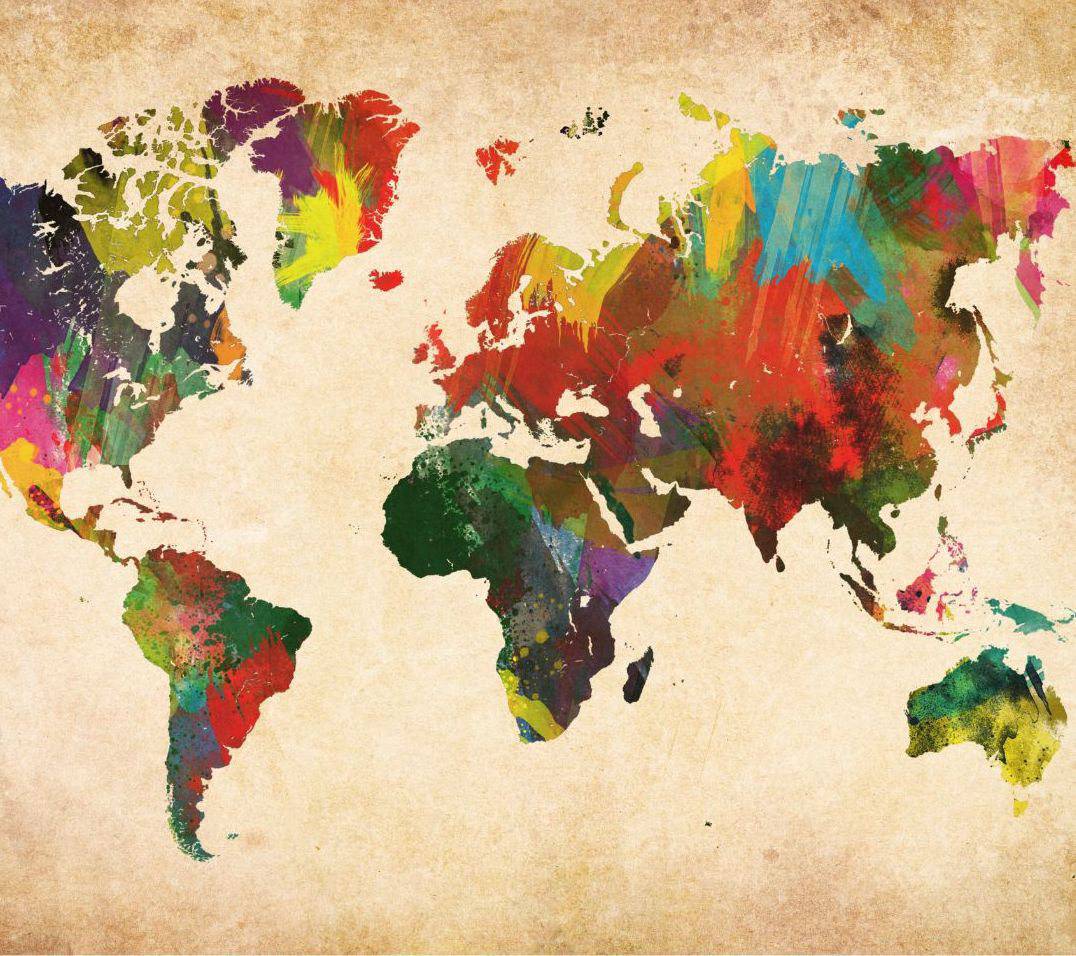
Non-fictionAmerican sociologists John and Ruth Hill Useem first coined the term ‘third culture kid’ in the 1950s to describe the experience of Americans who were raised abroad in a culture different to their birth culture. This term reflects the way children raised overseas straddle three cultures: the culture of their birth, the culture within which they are raised, and a third, nebulous culture – the culture they create through the way they learn to relate to each other. The third culture is interstitial, not an amalgam. ‘Third culture kid’ (TCK) is a term often used as shorthand. Many TCKs will have experienced more than one cultural shift too. Those with diplomatic, military or missionary families are often raised in multiple countries, and others, like me, will continue their travels overseas as adults too, exercising the global and economic mobility they know well.
