
Featured in
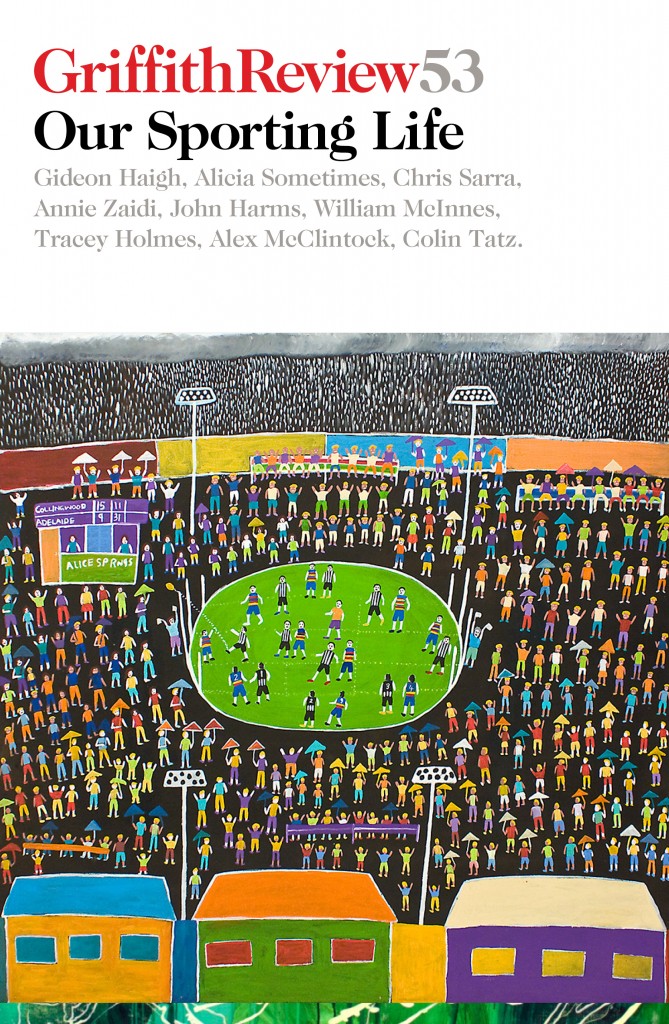
Buy
$27.99
- Published 20160802
- ISBN: 978-1-925355-53-6
- Extent: 264pp
- Paperback (234 x 153mm), eBook
Already a subscriber? Sign in here
If you are an educator or student wishing to access content for study purposes please contact us at griffithreview@griffith.edu.au
Share article
About the author

Sean Dorney
Sean Dorney is a Walkley Award-winning journalist who lived and worked in Papua New Guinea for twenty years. He is the author of three...
More from this edition
Full credit to the boys girls
Memoir@FletaTheTweeter: I was sent to interview Chris Gayle a couple of years ago. He said no to the interview before hitting on me. Dickhead is his...
Matchbox memories
MemoirIT SOMEHOW SEEMED right, one golf day, that we ended up banging on about the Brisbane Rugby League competition of the 1970s, because the...
Learning to lead
IntroductionAFTER THE MAROONS won the first game of the 2016 State of Origin series it was time for another ritual – the breathless post-game...

Stay up to date with the latest, news, articles and special offers from Griffith Review.