
Featured in
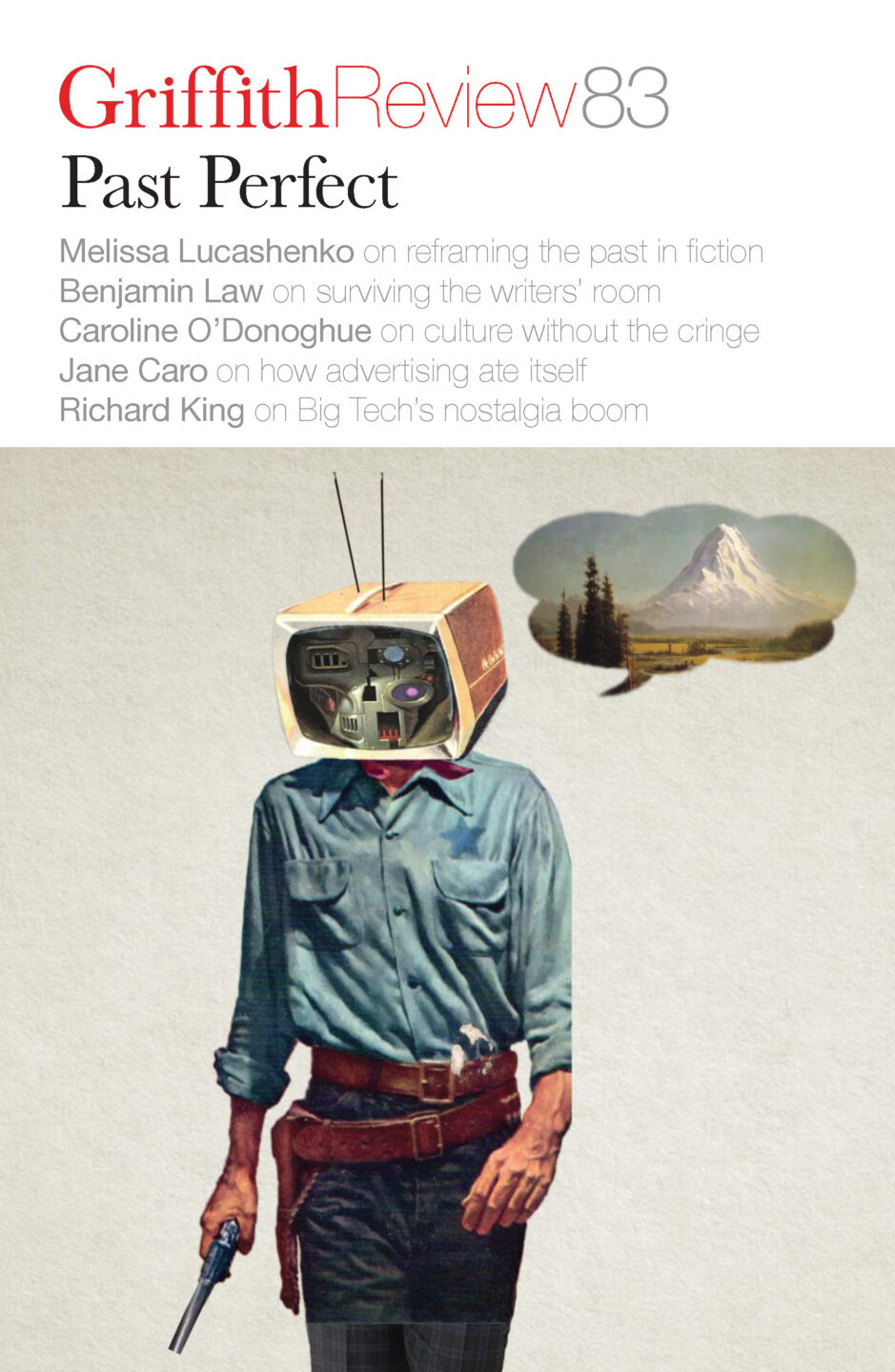
- Published 20240206
- ISBN: 978-1-922212-92-4
- Extent: 204pp
- Paperback, ePub, PDF, Kindle compatible

Already a subscriber? Sign in here
If you are an educator or student wishing to access content for study purposes please contact us at griffithreview@griffith.edu.au
Share article
More from author

The museum of the future
The Museum of the Future is not a futuristic museum – a museum as it might look in, say, the twenty-second century. It is a museum devoted to the idea of the future: to the future’s past, in other words. Its exhibits are evidence of a remarkable, and peculiarly human, ability: to speculate on what tomorrow might bring.
More from this edition
Lines of beauty
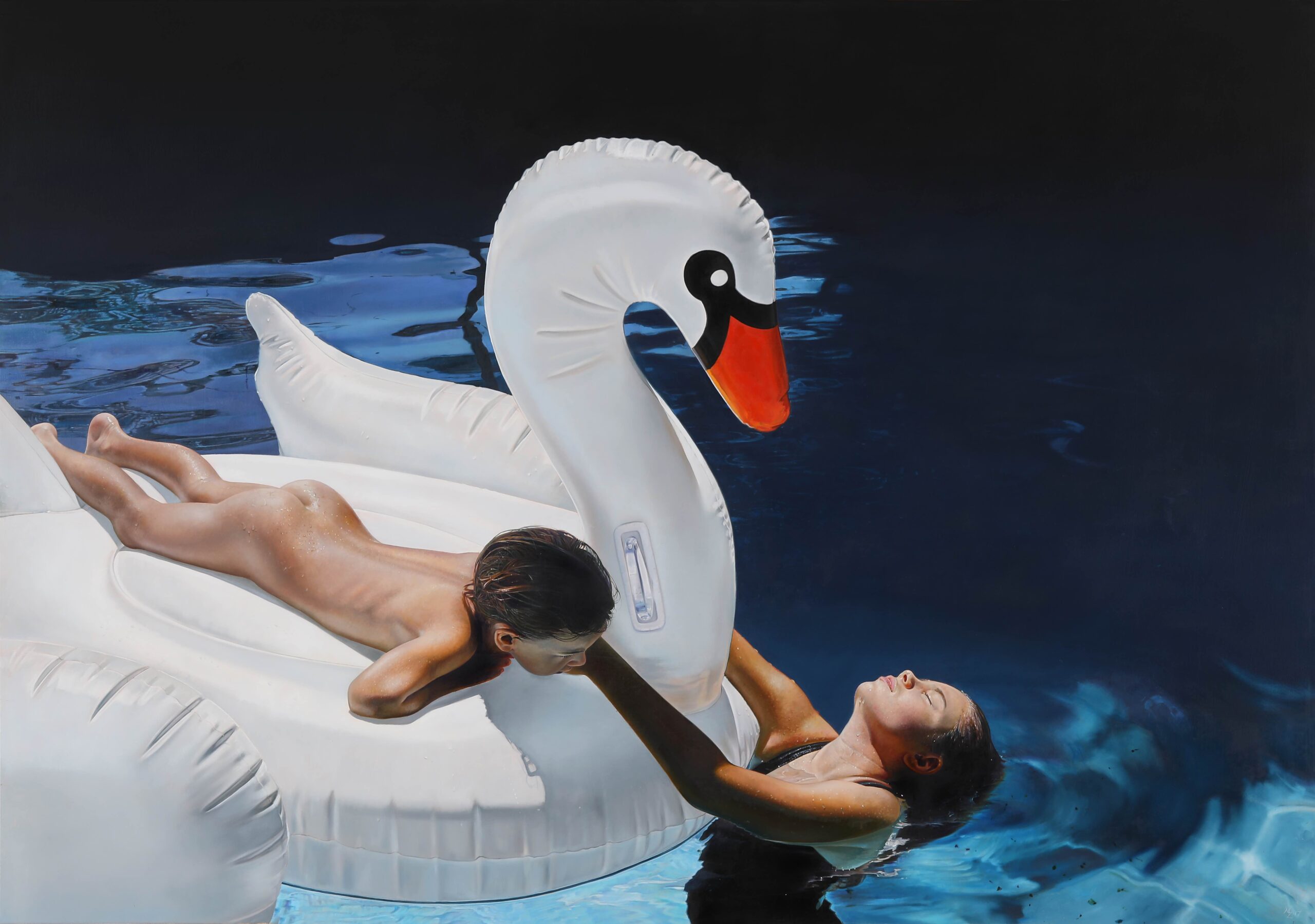
In ConversationI studied printmaking because in the mid-’90s there wasn’t so much exciting painting happening in QCA studios, but also because I really wanted to learn new processes for my undergrad and, like most artists, I’d always painted. Painting had fallen out of fashion, and everyone was making installation, then photography and film – the new digital world reigned supreme for a decade. Now it’s all about painting.
Nothing ever lasts
Non-fictionBut I hate thinking of myself as the diversity hire. As I said, I’ve worked in the industry for over a decade. ‘I belong in this room,’ I told myself. I’m not a token – despite being called that so many times in my career that I’ve lost count. I’ve earned my place.
Mildew on the whiteness of Hölderlin
Poetry Mildew on the whiteness of Hölderlin’s shoulders, his phantom limb reaching towards an ideal he is sure he’ll reach. When the snow comes I am not even sure...
