
Featured in

- Published 20250204
- ISBN: 978-1-923213-04-3
- Extent: 196 pp
- Paperback, ebook. PDF


Already a subscriber? Sign in here
If you are an educator or student wishing to access content for study purposes please contact us at griffithreview@griffith.edu.au
Share article
About the author

Jacinta Baragud
Jacinta Baragud is a Iamagal woman from the Kulkalgal nation of the Torres Strait. She is a research officer in the College of Arts...
More from this edition
Home is where the haunt is
Non-fiction I BELIEVE WE are all haunted by the place of our birth – which is chosen without our consent. Unlike a place of residence, which...

Buy, recycle, repeat
Non-fiction THE TIP SHOP opens at 10 am every Thursday. By 9.50 am there’s a line at the gate at least ten people deep. There’s...
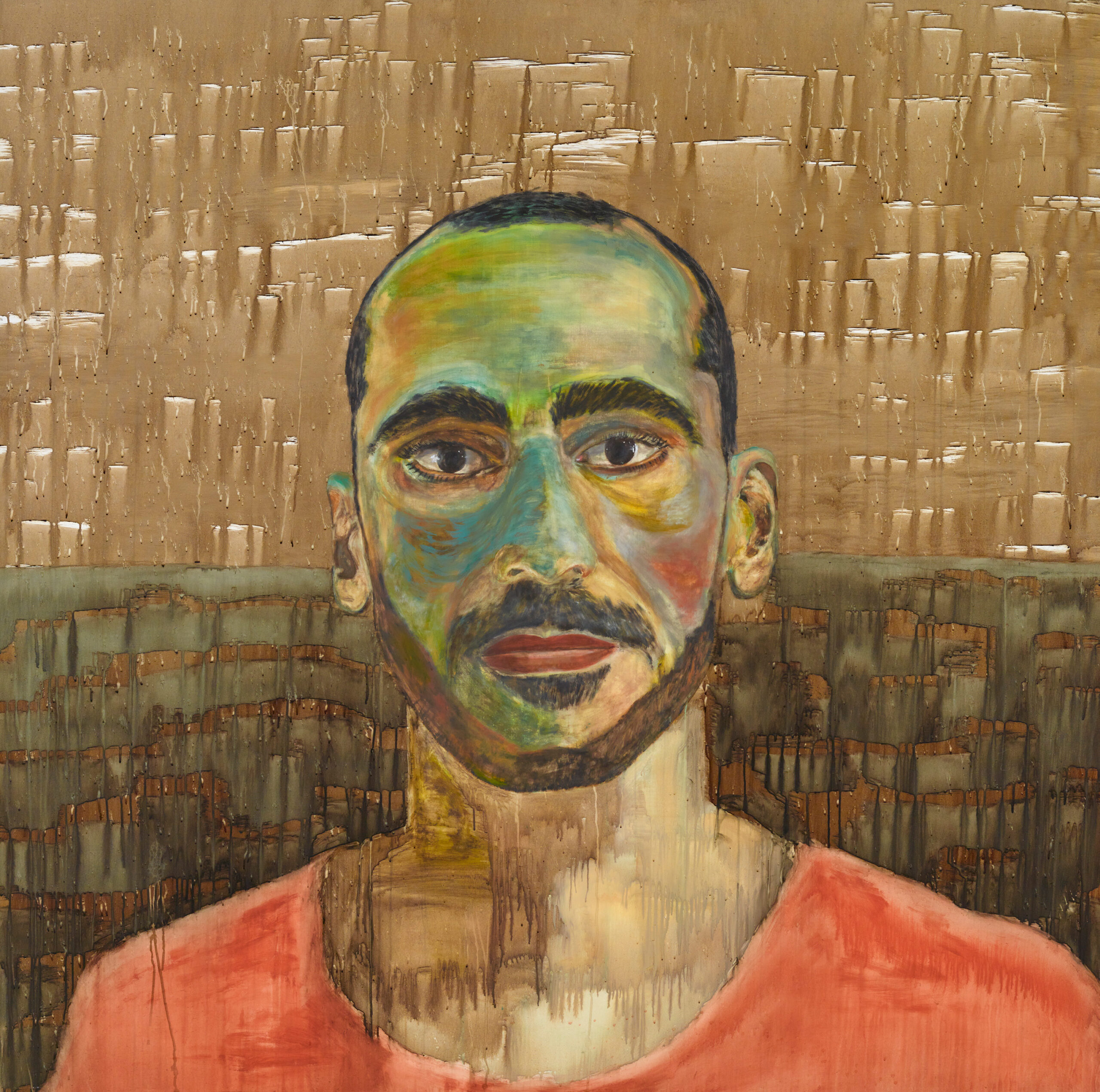
Painting behind bars
In ConversationEvery time I grab a toothbrush, it makes me smile that [this all began] at Manus. I mean, this technique comes from suffering. This is not from university. I am forbidden from studying or getting a qualification here, but sometimes we can learn from suffering. I am managing to heal my trauma [with] painting. Whenever I feel sad, I paint. Whenever I feel happy, I paint. It’s like a treasure, how can I explain it? It’s invention, it’s something that hasn’t happened before. Everyone uses a toothbrush, but when I paint with a toothbrush I feel it helps me understand that my work, the marks I make, are very unique. It brings the story back. I don’t want people to forget about the story because I don’t want to escape from who I was, who I am. I would like to share the truth that this happened to me.
