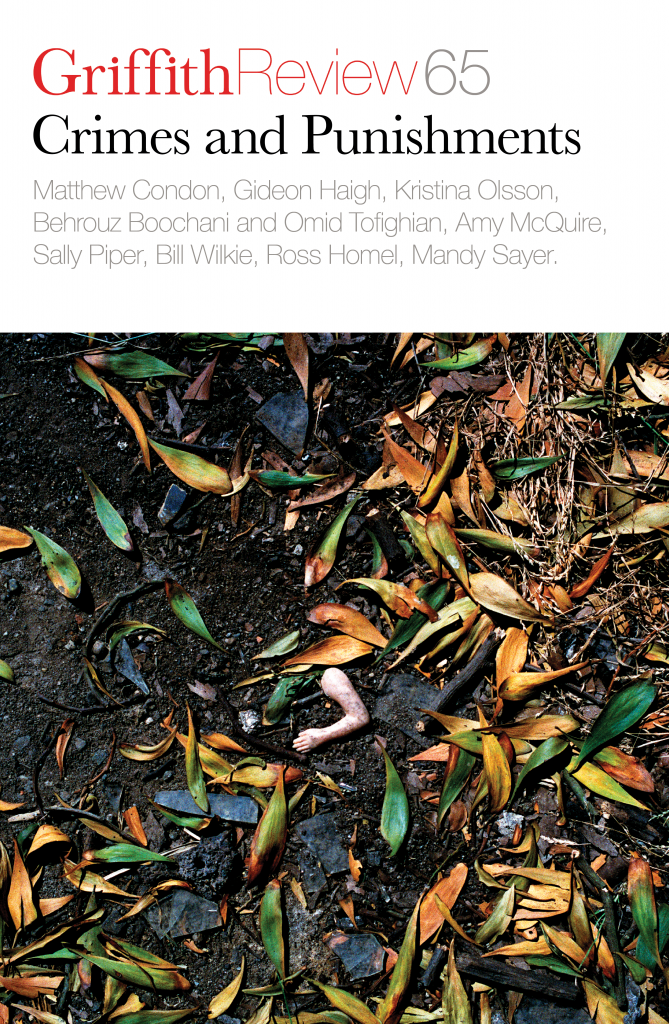
Mountain ashed

Environmental crime in the forest

Featured in

  • Published 20190806
  • ISBN: 9781925773798
  • Extent: 264pp
  • Paperback (234 x 153mm), eBook

I’M STANDING IN the shifting forest in the muted light of dusk. Above me, a tall tree with a vast tapering trunk stretches its antlered branches into the sky. Mountain ash, Eucalyptus regnans: the tallest flowering plant in the world. Fern fronds wave in the wind and bushes hunch in the understorey. I hear rustlings in the leaf litter. The monotonous rhythmic piping of an eastern yellow robin. The distant cackle of a kookaburra: the last bird to call before night. In the gloom I wait, listening to the breath of the forest, the hum of mosquitoes. It’s peaceful in this small patch of old-growth forest: a rich world of trees and creatures, interactions and interdependencies that combine to create a functioning ecosystem. Soon the cloak of night will fall and, if I’m lucky, an animal may emerge from a hollow high up in my tree.

I am here with a group of volunteers led by researchers from the Australian National University under the guidance of my partner, ecologist Professor David Lindenmayer, who’s been studying this forest since 1983. David and I met twenty-eight years ago over a Leadbeater’s possum at Sir Colin MacKenzie Sanctuary near the township of Healesville, where I was working as a veterinarian. As I stepped into the sanctuary vet hospital that morning, a dark-haired man with kind brown eyes smiled up at me. Not long after that, we began a relationship, and since then our lives have been enmeshed in the politics of native-forest logging, which are as complex and layered as the forest itself.

Already a subscriber? Sign in here

If you are an educator or student wishing to access content for study purposes please contact us at griffithreview@griffith.edu.au

Share article

About the author
Karen Viggers

Karen Viggers is a wildlife veterinarian who has worked with native animals in many remote parts of Australia. She is the award-winning, internationally bestselling...

More from this edition

Pablo Escobar’s hippopotamus

PoetryHe had four hippos in his private zoo and would visit them each dawn in his silk kimono to explain survival of the fittest, greedy bankers, why...

White justice, black suffering

ReportageDad began this job in 1989 in the days of the Royal Commission into Aboriginal Deaths in Custody. He was not the only black prison guard on staff – in fact, at one point, Rockhampton’s jail had the highest percentage of Indigenous employees in the state. And yet, there were even more Murris locked up. The first thing that shocked Dad was just how many were inside, and over the next two decades he would see many of his own relatives coming through the gates.

Visiting day

FictionONCE A MONTH, Mrs Murphy took him on a trip to the other side of town. For these journeys she always made sure Geordie’s...

Stay up to date with the latest, news, articles and special offers from Griffith Review.