
Featured in
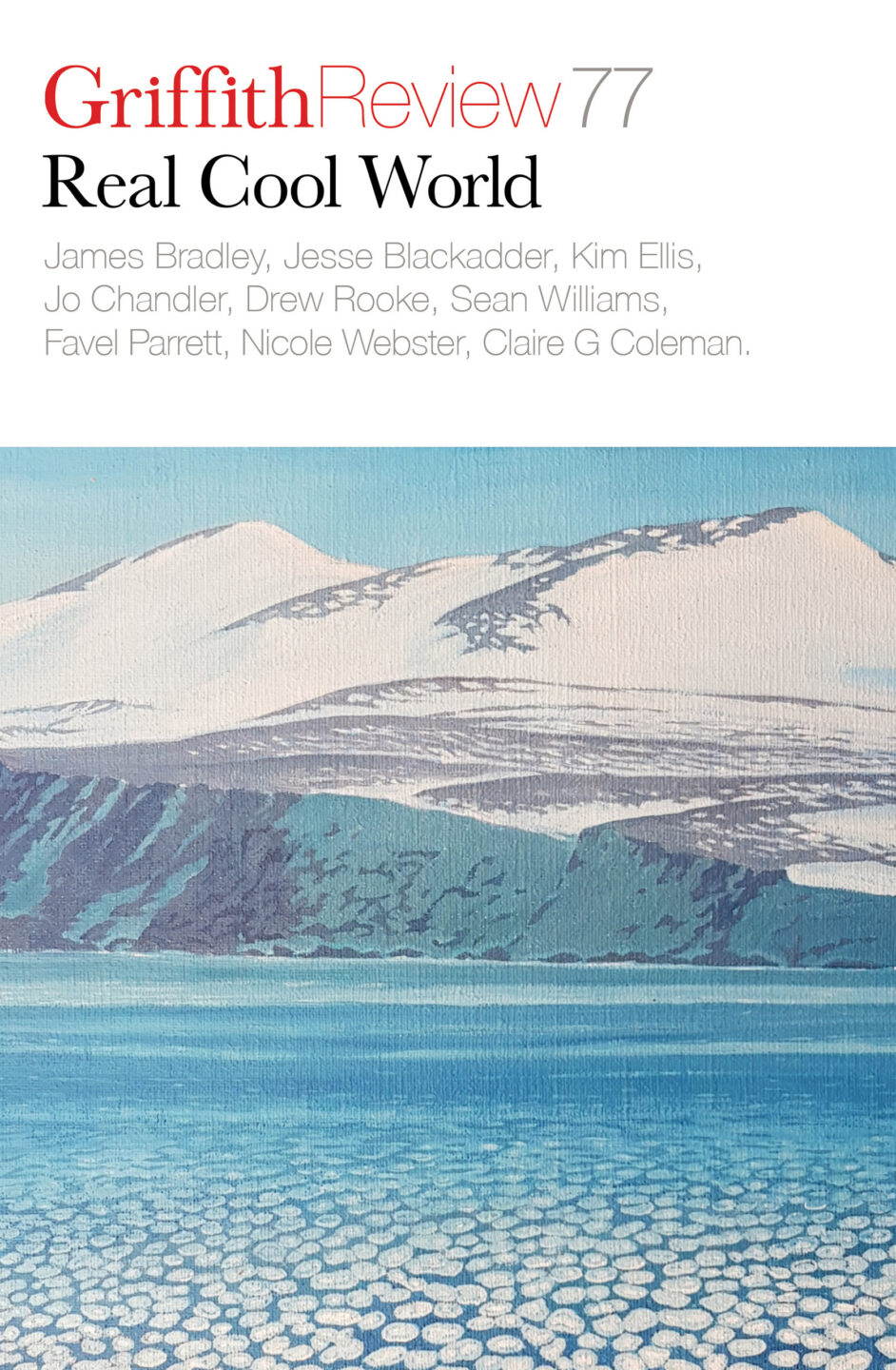
- Published 20220503
- ISBN: 978-1-922212-74-0
- Extent: 264pp
- Paperback (234 x 153mm), eBook


Already a subscriber? Sign in here
If you are an educator or student wishing to access content for study purposes please contact us at griffithreview@griffith.edu.au
Share article
About the author

John Fowler
John Fowler is the co-founder and CEO of the global affairs media start-up Intrigue Media. He’s a former Australian diplomat and international lawyer. During...
More from this edition
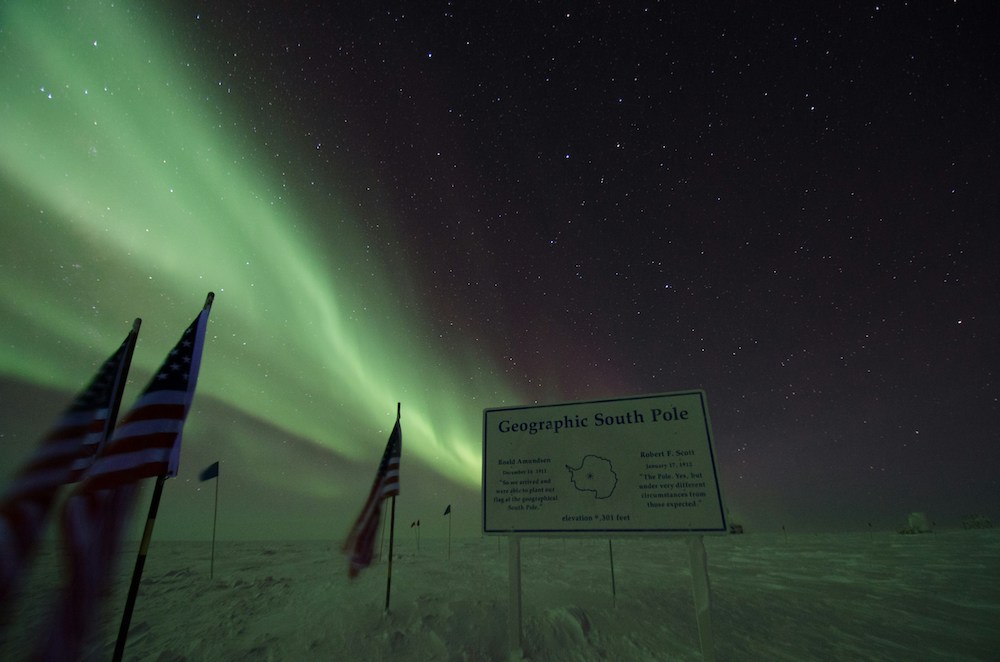
Between different worlds
IntroductionAntarctica offers windows into many different worlds...
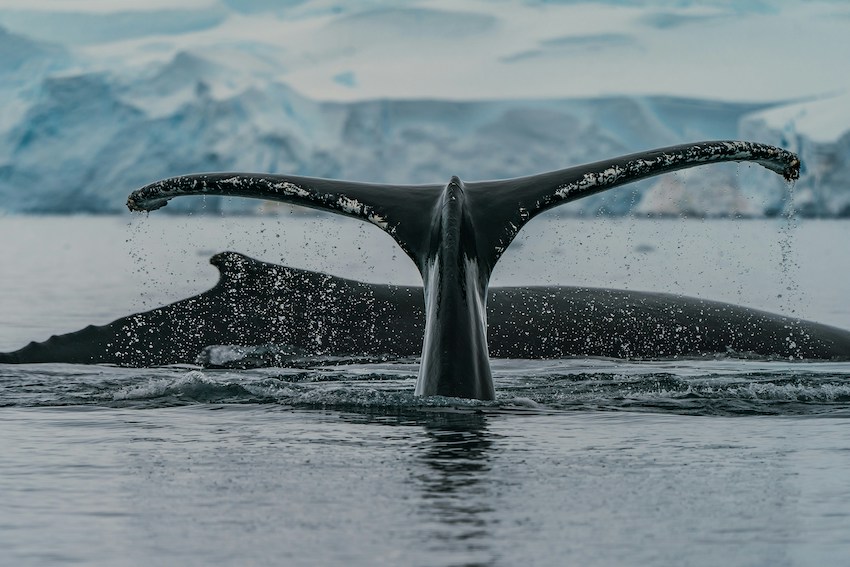
Blinding whiteness
EssayStories of animal migration to Antarctica, such as yalingbila, are reminders of global Indigenous connections to the frozen continent. As our kin traverse Antarctic waters, they too connect with the myriad creatures carving a living out of the ice.

Red heart, red ship
MemoirWhen I was twelve years old, I was head over heels in love with a little red ship, the Danish polar vessel Nella Dan. She worked for the Australian Antarctic Division for twenty-six years, and in the 1980s Hobart was her home away from home.
