
Featured in
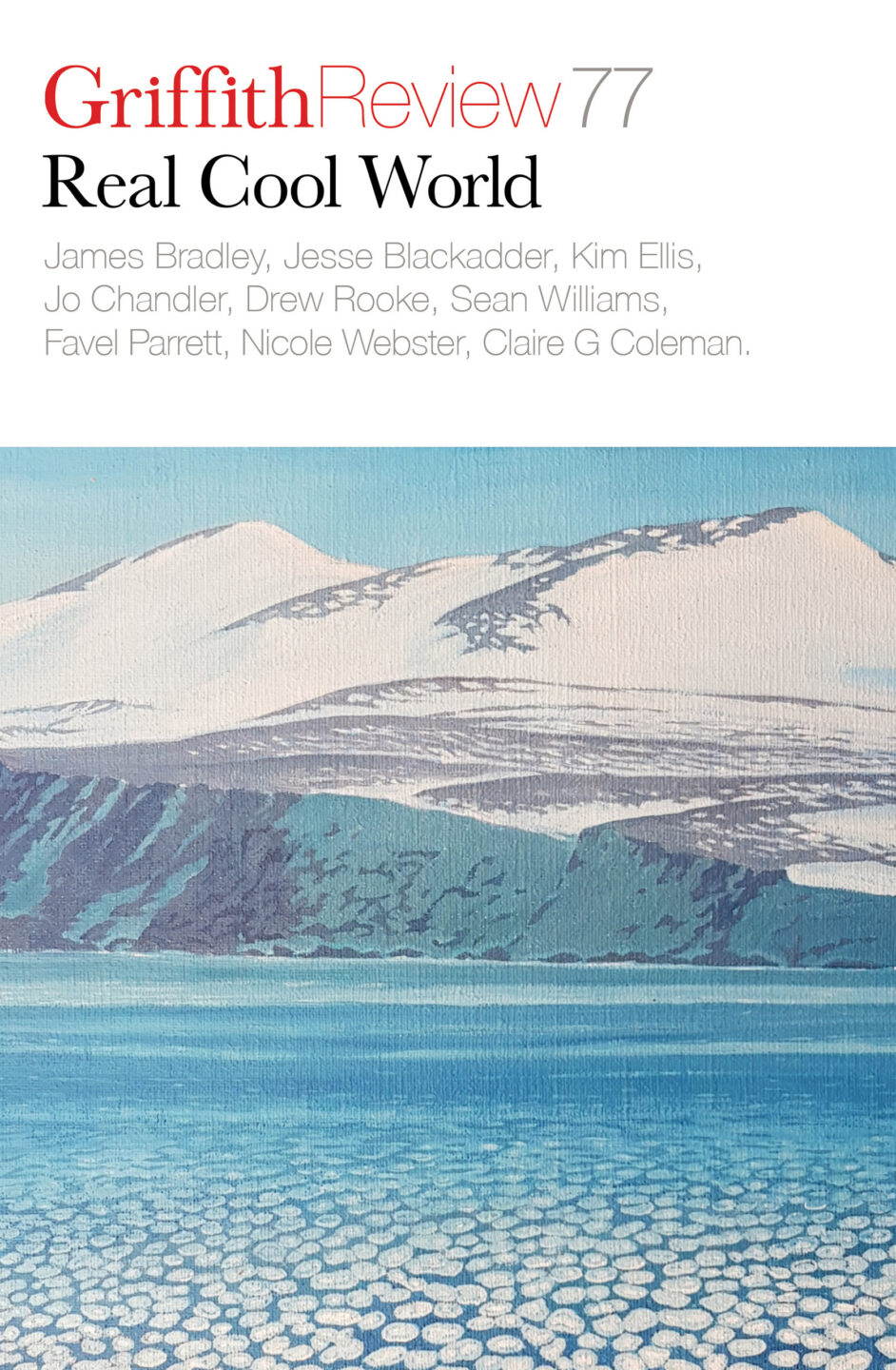
- Published 20220503
- ISBN: 978-1-922212-74-0
- Extent: 264pp
- Paperback (234 x 153mm), eBook

Already a subscriber? Sign in here
If you are an educator or student wishing to access content for study purposes please contact us at griffithreview@griffith.edu.au
Share article
About the author

Nicole Webster
Nicole Webster is the Chief Scientist of the Australian Antarctic Division. Over the last two decades she has worked as Senior Principal Research Scientist...
More from this edition
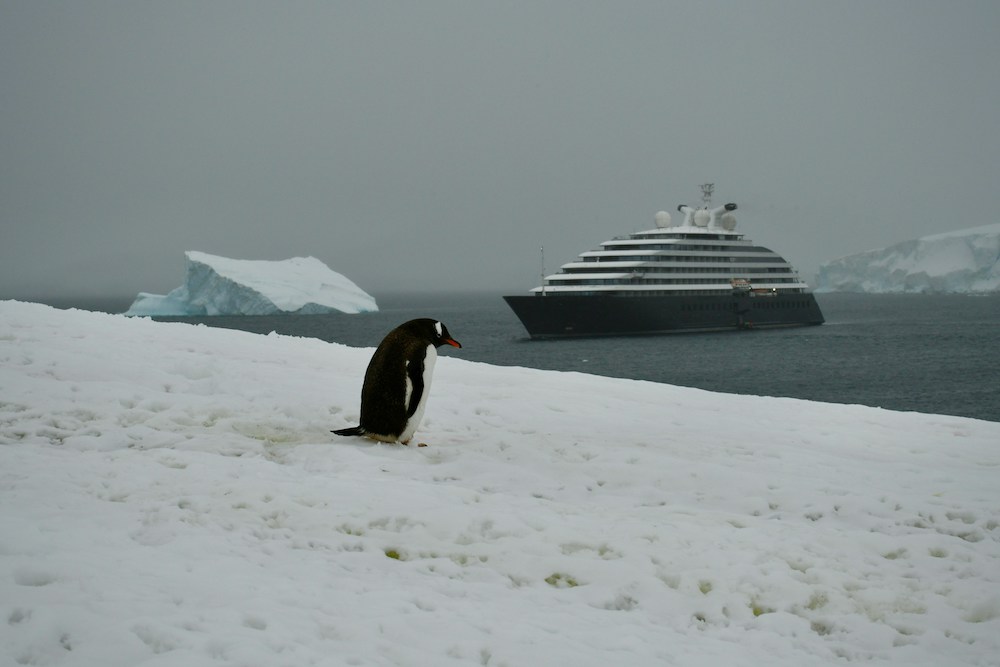
Where borders break down
Essay WHEN EXPLAINING MY Antarctic research to new acquaintances, at a dinner party or a barbeque, I can usually predict the direction of the conversation....

Audacious visions for the Antarctic
Memoir IT WAS EARLY 1984. It started with a phone call: can you do an environmental impact assessment of the effect of mining in Antarctica...

Leading down south
MemoirWe were using the Italian station as a jumping-off point to inspect some of the nearby stations – the German Gondwana Station and, for the first time, the Korean Jang Bogo Station, as well as China’s temporary station on the site of the proposed new Chinese station planned for Inexpressible Island in Terra Nova Bay. This is a truly remarkable part of Antarctica...
