
Featured in
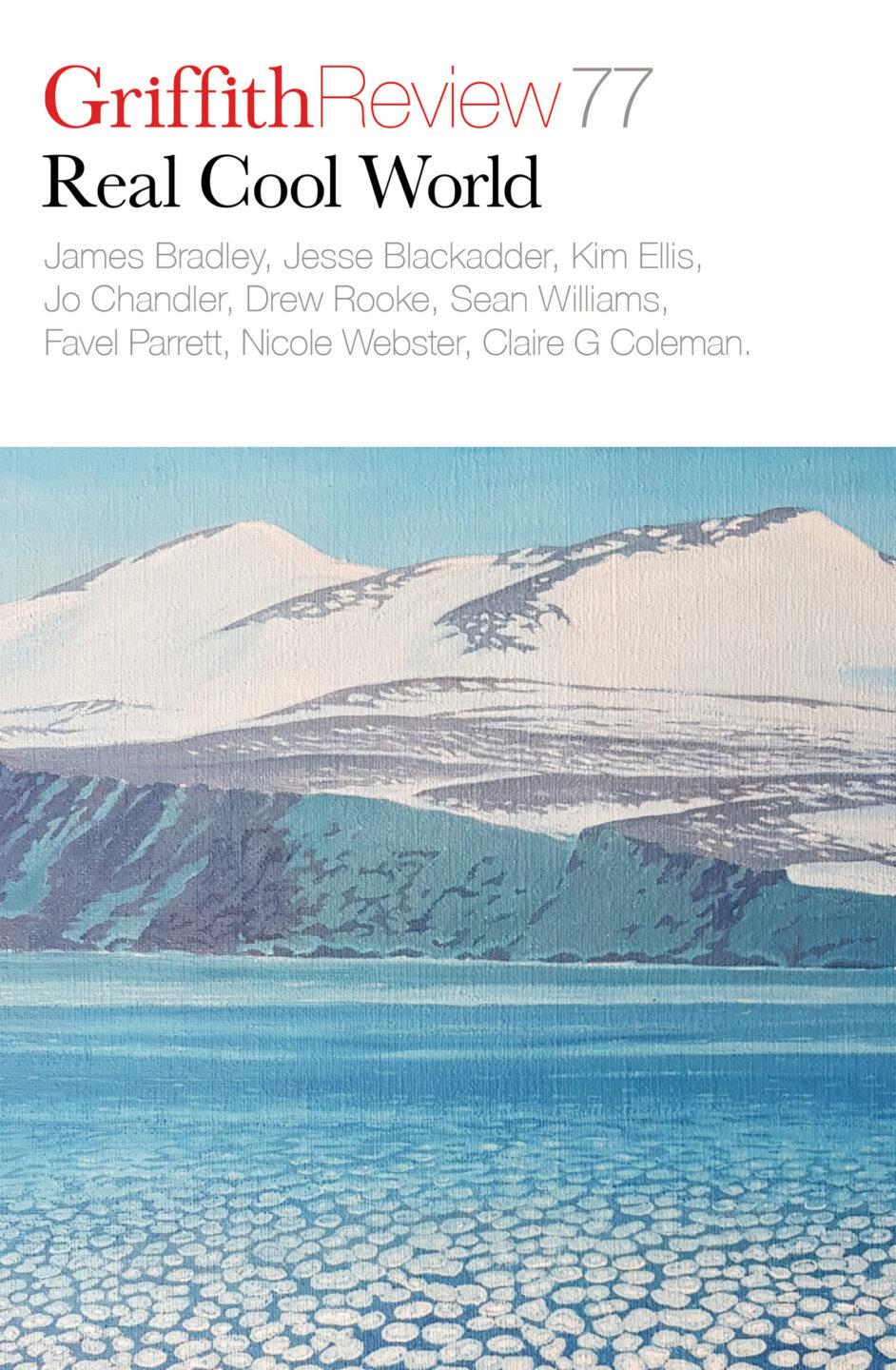
- Published 20220503
- ISBN: 978-1-922212-74-0
- Extent: 264pp
- Paperback (234 x 153mm), eBook

Already a subscriber? Sign in here
If you are an educator or student wishing to access content for study purposes please contact us at griffithreview@griffith.edu.au
Share article
About the author

Coen Hird
Coen Hird is trawlwoolway pakana connected to north-east lutruwita/trowunna. He is a researcher and teacher at the University of Queensland focused on ecology, climate-change biology...
More from this edition

Game theory on ice
EssayIt’s no surprise...that many analysts think the Antarctic Treaty can serve as a template to solve modern-day territorial disputes. But how realistic is that?

Buried treasure
ReportageOver the entire 800,000-year record, atmospheric carbon dioxide has never peaked over 300 ppm. For all of human history, it sat around 275 ppm until about 200 years ago, when we began to dig up and burn coal to fuel the Industrial Age. In 1950, it punched through the 300-ppm historic ceiling. In mid-May, as the forests of the Northern Hemisphere dropped their leaves, the planet exhaled atmospheric carbon dioxide at a new daily record of 421 ppm.
Between different worlds
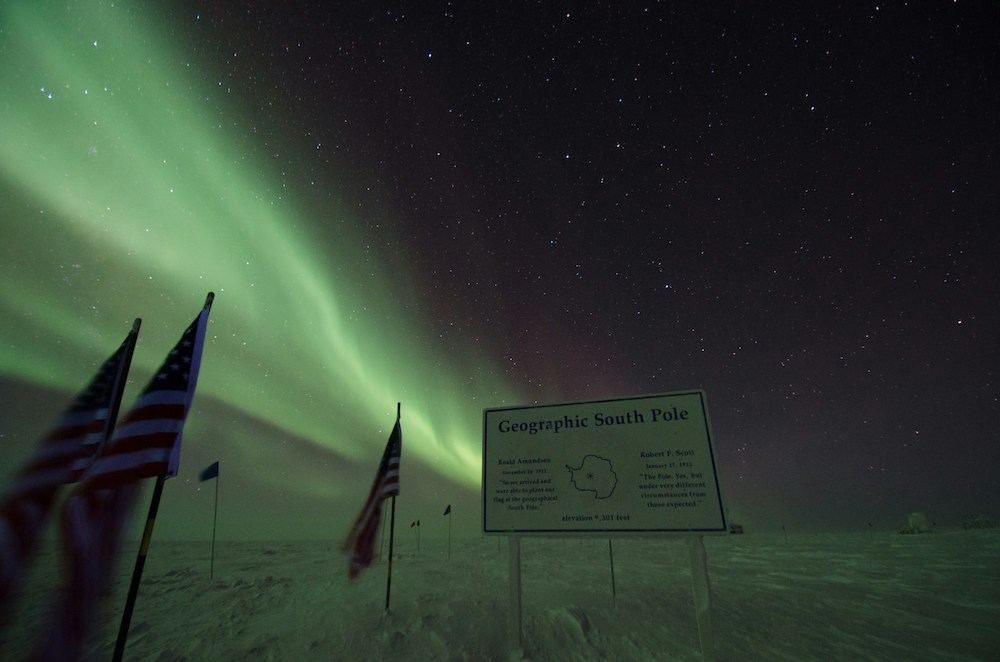
IntroductionAntarctica offers windows into many different worlds...
