
Featured in

- Published 20240206
- ISBN: 978-1-922212-92-4
- Extent: 204pp
- Paperback, ePub, PDF, Kindle compatible

Already a subscriber? Sign in here
If you are an educator or student wishing to access content for study purposes please contact us at griffithreview@griffith.edu.au
Share article
About the author
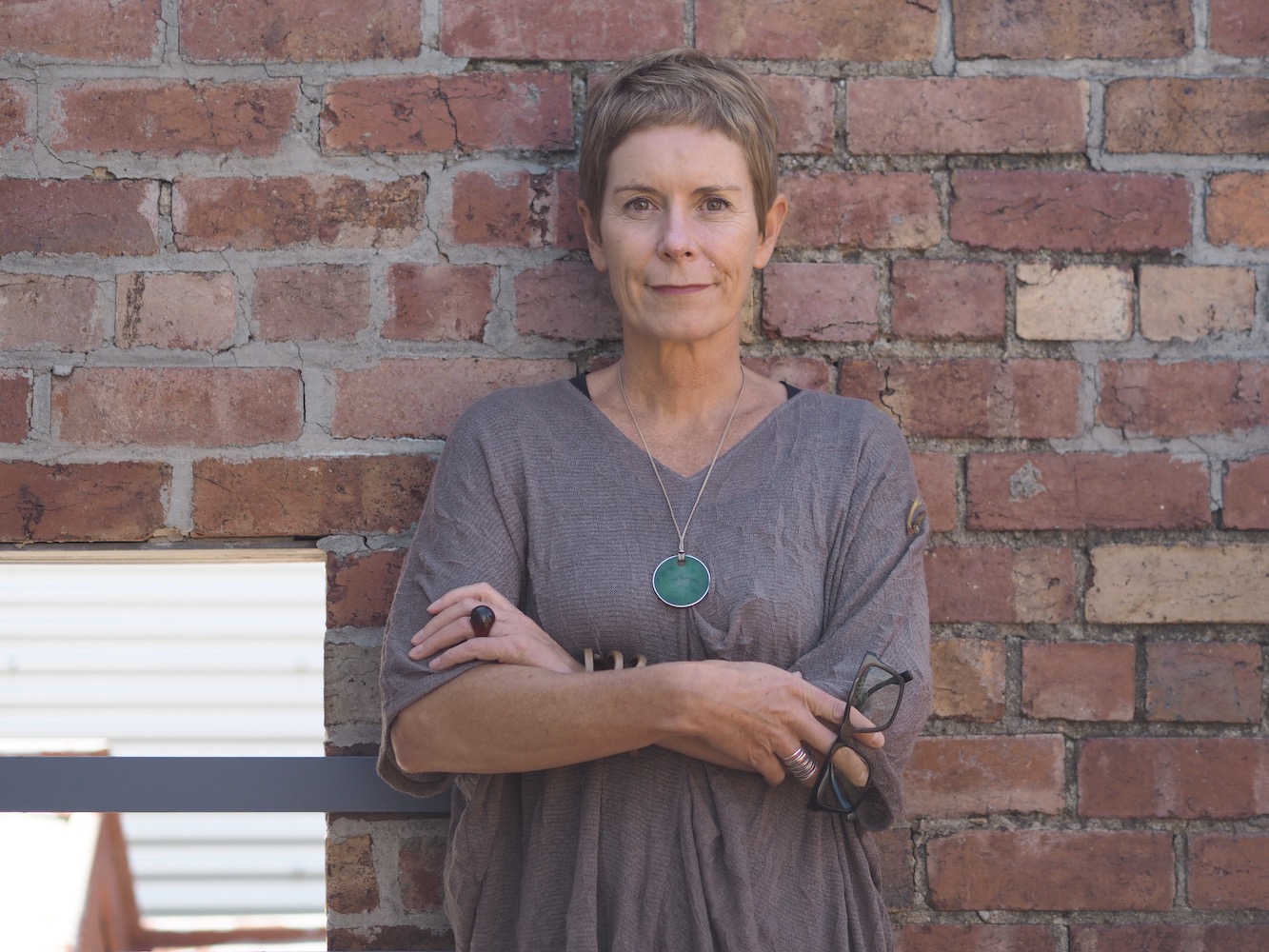
Melinda Hinkson
Melinda Hinkson was the 2023 Mildura Writers Festival writer in residence. She is executive director of the Institute of Postcolonial Studies, Melbourne.
More from this edition

James and the Giant BLEEP
Non-fictionIt’s in this way that supposedly untranslatable words, for which our language has no exact or close synonym, are often so deeply pleasurable: not because those words reveal something about a worldview that’s unfamiliar or foreign to us but precisely the opposite.
Glitter and guts
Non-fiction RIGHT NOW, I am obsessed with the past. My debut novel is finished and ready for publication, and I am wrestling with the fear...

From anchor to weapon
Non-fictionIn 1930s Germany, the slogan ‘blood and soil’ was most prominently promulgated by the Reich Ministry of Food and Agriculture, which positioned itself not merely as an administrator but a kind of advocate-guardian of the soil and its workers. In 1930, Adolf Hitler recruited Richard Walther Darré, then a leading blood and soil theorist, to the Nazi Party. On seizing power in 1933, Hitler appointed Darré Reichsminister of Agriculture, a role he occupied until 1942. Recently, for reasons that are unclear but politically alarming, Darré’s works on blood and soil have been translated and republished in English to some fanfare.
