Through the looking glass

The fantasies of photography

Featured in

  • Published 20241105
  • ISBN: 978-1-923213-01-2
  • Extent: 196 pp
  • Paperback, ebook, PDF

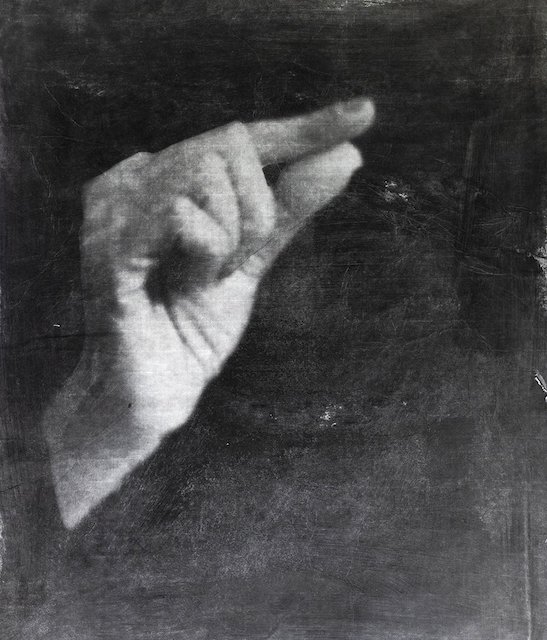
Photography and truth have always had a complicated relationship. Long before AI and deepfakes recalibrated our trust in the medium, we’ve seen reality reinterpreted or misrepresented through the lens of a camera. For Australian artist Amy Carkeek, this porous boundary between photographic fact and fiction is a source of wide-­ranging inspiration and a way of interrogating some of our abiding cultural norms and motifs, from the vanishing suburban dream to society’s treatment of women. In this conversation, Carkeek talks to Griffith Review Editor Carody Culver about the oppositions and opportunities of the photographic image.

CARODY CULVER: Many of the works in this visual essay are from three photographic series: Descry (2021), Objects of Despair (2022–) and Gestures of Retribution (2023–). Aesthetically, these series are all strikingly different, which of course reflects the versatility of photography as an art form. What draws you to work in this particular visual medium?

Already a subscriber? Sign in here

If you are an educator or student wishing to access content for study purposes please contact us at griffithreview@griffith.edu.au

Share article

About the author
Amy Carkeek

Amy Carkeek is an Australian artist and researcher. She has exhibited in galleries across Australia and the US, and has been a finalist in...

More from this edition

Up for debate

In ConversationDebate emphasises different ideals. You are forced to argue for positions you don’t believe and, regardless of your stance, you learn always to consider the opposing perspective. That is quite literal: after preparing your case, you turn to a different sheet and write the four best arguments for the other side or mark up your argument for its flaws and inconsistencies. Paper and pen. That is countercultural at a time when we expect a tight nexus between speech and identity, and I think there is something to be gained from such role-­play.

Girls to the front

Non-fictionIf there are no women in leadership in a synagogue, many of us don’t bother to come. Or if we do come, we know there’s no real point joining a board or committee – our opinions count for less. And this means that Orthodox Judaism risks losing a new generation of Orthodox women – women like me, who would never accept equivalent lack of opportunity and education in our professional and personal lives.

Adventures in the apocalyptic style

Non-fictionIt's easy to laugh at preppers, dismissing their ideas in the process. It’s also easy to adopt the prepper worldview wholesale, and make fun of everyone else – all those sheeple – for not seeing what a mess we’re really in. It’s harder, but ultimately more productive, to see prepping as a complex, contradictory response to the multiple crises the world is facing. Prepping is more than just a freakshow, although it is that. And prepping is more than a useful instructional manual, although it is that, too. Neither wholly reasonable nor wholly ridiculous, prepping culture is a vivid and alarming reflection of a contemporary Anglophone culture that exists in a state of perma-­crisis and can find only simple answers to wicked problems.

Stay up to date with the latest, news, articles and special offers from Griffith Review.