

Welcome to GR Online, a series of short-form articles that take aim at the moving target of contemporary culture as it’s whisked along the guide rails of innovations in digital media, globalisation and late-stage capitalism.
The trenches
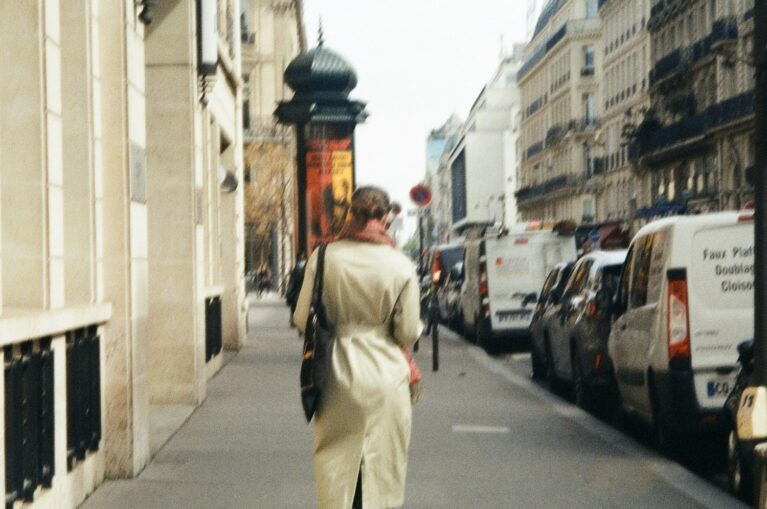
The first time we visit Elie Wiesel Square on a weekend, I’m staggered by the density of modish young families: neat-hipped milfs in belted jeans and little embroidered jackets; lightly stubbled dilfs in tailored, earth-toned clothing; children dressed either like something out of Frances Hodgson Burnett or a Yeezy drop. One lambent-skinned mother in a soft-looking oatmeal set, rimless oval sunglasses and a geo-print headscarf in as many shades of brown as a chocolate box, snaps photos of two little girls in matching oatmeal smocks, white stockings and shiny black Mary Janes, their long black hair in intricate braids.
Buyer beware
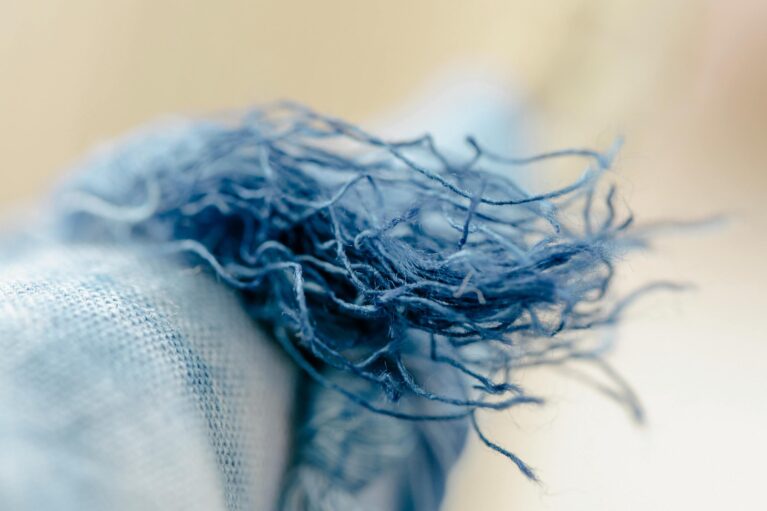
I’d heard murmurings of the quality crisis, noticed things here and there in my own purchases. But it wasn’t until I consulted shopping subreddits, TikToks and Instagram comments that the scale of the issue became apparent. Brands of all sorts were implicated. Items were stretching out, losing their shape or fading after a few washes; jumpers were rapidly pilling; dresses turned out to be sheer in daylight; shirts would refuse to relinquish oil stains. Everyone seemed to agree: clothes were better a decade ago.
My body is the gallery – enjoy the exhibition!
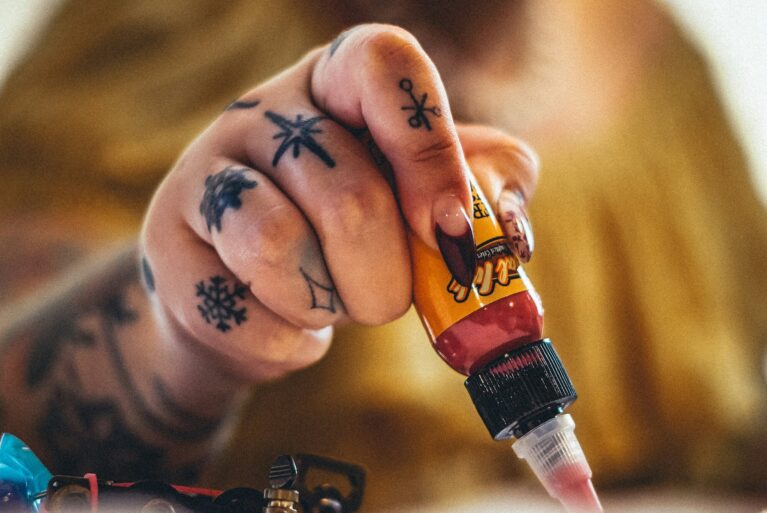
CELEBRITY CULTURE HAS slowly eroded the negative connotations associated with tattoos. In the ’80s, punk and heavy-metal rockers used body art to cement their anti-consumer images into mainstream minds. Since the turn of the century, reality TV shows including Miami Ink and Ink Master have accelerated the normalisation of tattoos. Now, partly thanks to social media, tattoos have become another kind of commodity to show off to the world. Outside of the job stoppers (hands, neck, face), tattoos can be seen on lawyers, corporate drones and even White House staff.
But tattoos have always been more than fashion statements. They connect people to subcultures. They express commitment to particular ideals and fandoms. They’re the ultimate form of self-expression. Even a tattoo you get impulsively can make a statement. Tattoos become stories shared at social gatherings. Icebreakers to get the conversation going when you meet someone new. Gruelling, painful rituals that highlight how strong the human spirit can be. Dedications to a belief or a thought or a love that you wish to always be reminded of. Signifiers of who you are.
Suffer for fashion
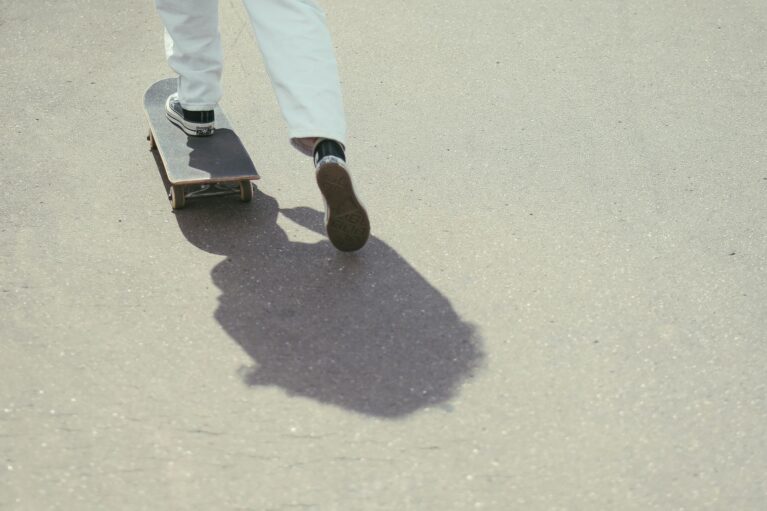
There were plenty of boys in Brisbane in 2001 who dressed in attentive and interesting ways. But you’d have to be sure of yourself, which I wasn’t, or you’d have to have been straight. For the rest of us, survival meant the avoidance of colour; you had to avoid flourishes, avoid anything tight, avoid the sense of a considered style. My vision of an appropriate male dresser involved jeans, in the tropical heat, and a T-shirt, again dark. Sneakers were the acceptable form of shoe, skate shoes if you were chancy, with a pair of Holeproof Heroes in black or grey.
Change room
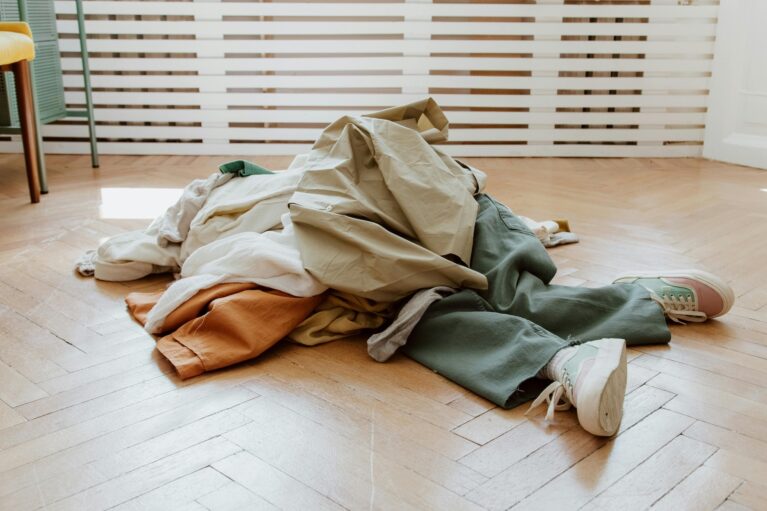
The story currently being told by the vast majority of the fashion industry is that plus-size bodies simply don’t exist. Looking to runways and fashion magazines, I see no bodies that even vaguely resemble my own. Not one B-shaped belly, not one roll, not even a hint of back fat. The shame and isolation that exists around fatness everywhere else also exists on runways, in fashion houses, in shopping centres. In my wardrobe.
Don’t prick your finger on a spindle
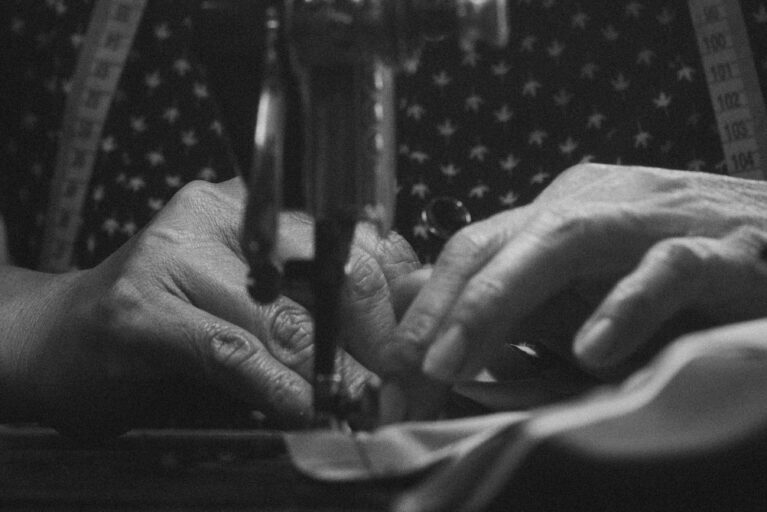
Before the witch hunts, women participated in many professions – they were brewsters, blacksmiths, teachers, court poets, merchants and craftsmen. Beginning with the Renaissance, a combination of social, legal and cultural forces changed this. Fear of being labelled a witch meant fewer women would work outside the home to earn a wage, leaving them vulnerable to impoverishment without the financial support of a man. This systematic exploitation of feminised workforces is one we’re still living with hundreds of years later.
Coat tales
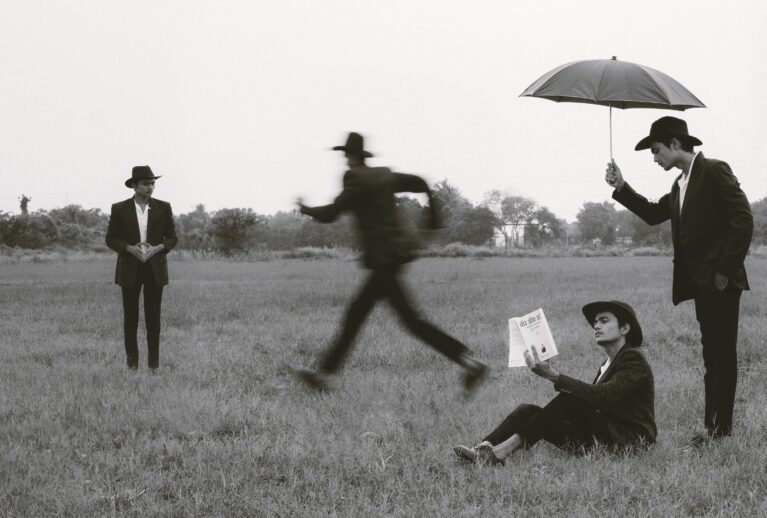
We throw a spotlight on everyday menswear in twentieth-century Australia here because even though commentators have often conjured quick impressions of it in passing, it has less often been a subject of contemplation in its own right. Exhibitions and discussions of dress in Australian contexts have focused more on the feminine and spectacular. This emphasis means that the more mundane ways in which social and economic power relations played out through menswear have largely slipped from view.
No scrubs
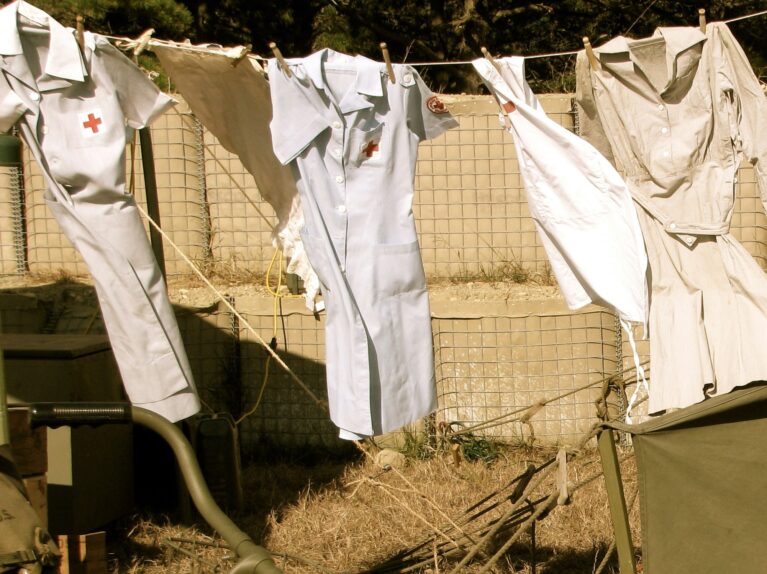
WHEN FLORENCE NIGHTINGALE’S band of thirty-eight nurses set sail from Folkestone, England, on 21 October 1854, each woman was...
Standard issue
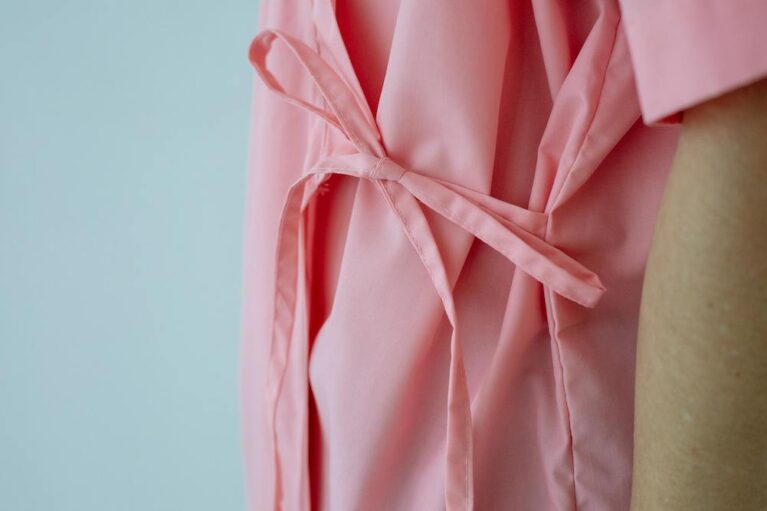
The first thing nurses get us new admissions to do is change into a gown – standard issue. It’s not what I’d call comfortable, exactly; it’s not even about dignity. It’s about access. If your condition suddenly becomes critical, doctors need to get to your body fast. Even so, when I’m allowed to leave later that afternoon, I tear off the gown and pull on the clothes I arrived in.
The little black book of black dresses
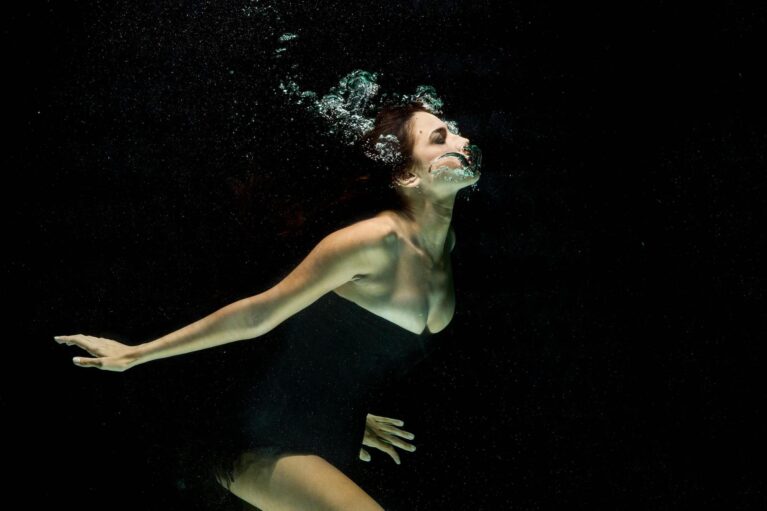
We see black in so many ways: as boldness, as strength. We see it as playing grown-ups, as a coming of age, as an expression of grief, as mourning, as a power to reclaim from those who took from us the selves we once wanted to be. As I sit now, to finish this essay, I can no longer recall what happened to my first little black dress, how old I was when I stopped wearing it, who I might have given it to, or why it was so emblematic in my mind of black dresses as a whole, when in reality there were likely many other black items in my wardrobe from many years before.
Killing me softly
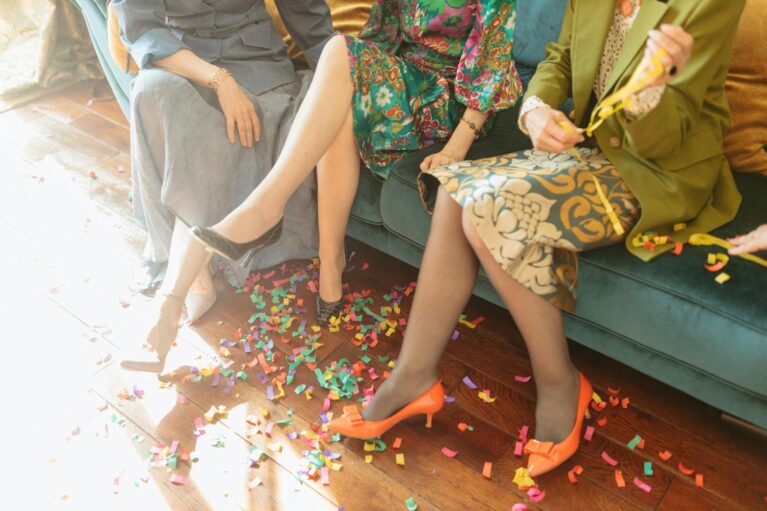
Camellias, carnations, chrysanthemums, daisies, daffodils, dahlias, gardenias, hibiscuses, lilies, magnolias, pansies, peonies, poppies, roses, tulips and more: perhaps we wear them complacently or ironically – or consider any symbolic associations as feeble, irrelevant or outdated – yet we cannot totally outrun, or outpunch, the connotative powers of a floral dress. Nothing signifies a well-behaved, compliant woman with no rough edges or anger-management issues quite like a pleasant and inoffensive arrangement of petals on a skirt. The signifier, however, is often a disingenuous and deficient representation of the signified.
Operation Totem
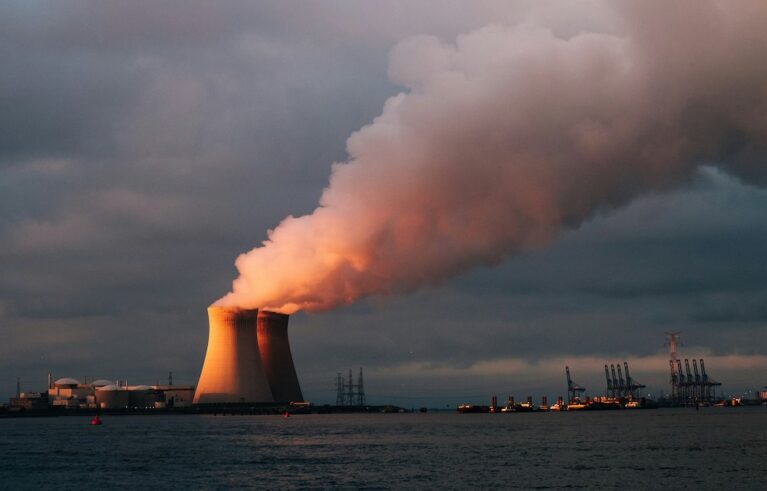
In the 1950s and 1960s, hundreds of atmospheric and underground tests were conducted in Australia, with devastating consequences for First Nations peoples and for the military personnel involved in the tests. And yet the debate about Peter Dutton’s plan to put Australia on a nuclear track barely mentioned this calamity, or indeed the deep antipathy towards all things nuclear to which it gave rise. Struggling to put Dutton’s policy in context, one looked in vain for even a passing reference to Dr Helen Caldicott, Moss Cass or Uncle Kevin Buzzacott; to the Campaign Against Nuclear Energy or the Uranium Moratorium group; to the seamen’s boycott of foreign nuclear warships in Melbourne in 1986; to the massive antinuclear marches of the 1970s and 1980s; to Kupa Piti Kungka Tjuta and its resistance to the dumping of radioactive waste. Indeed, one looked in vain for any sense of nuclear as a uniquely dangerous technology, or of the ‘deadly connection’ (as Jim Falk called it) between uranium mining, nuclear reactors and the development of thermonuclear weapons.
