

Welcome to GR Online, a series of short-form articles that take aim at the moving target of contemporary culture as it’s whisked along the guide rails of innovations in digital media, globalisation and late-stage capitalism.

Only dead writers have archives
I was surprised to find that the internet was also a useful place to teach creative writing. The student cohort for the course was satisfyingly international, and discussing assignments online sometimes made for more considered responses than those made during a more traditional in-person workshop setting when nerves or shyness might have intervened.
#CastLife
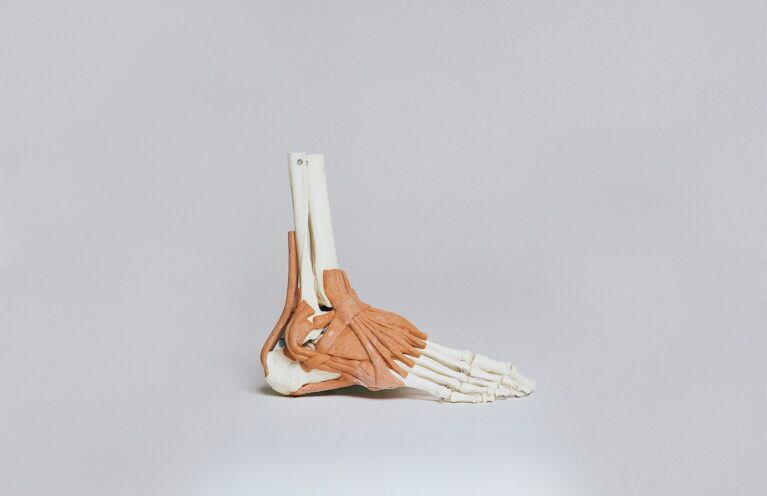
I click through to this profile. Their content features pictures of everyday women having a beer or hanging out with their dog. There is no particular style or consistency to these images. The only thing that connects the women is that they all wear a brace or a cast.
Archival notes
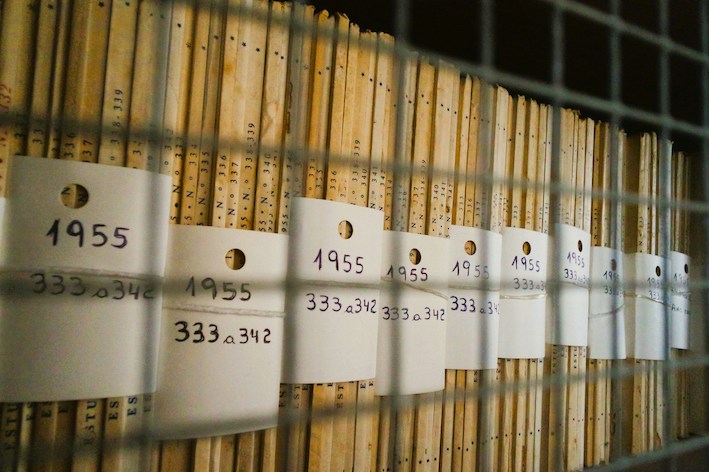
Stores are not easily accessible places. You need special permission to visit
and must be accompanied by someone who has clearance. Clearance will be
taken away if you don’t follow the rules. Once you figure out where you stand
on the ladder of access you can begin to plan your visit.
The McDonagh sisters
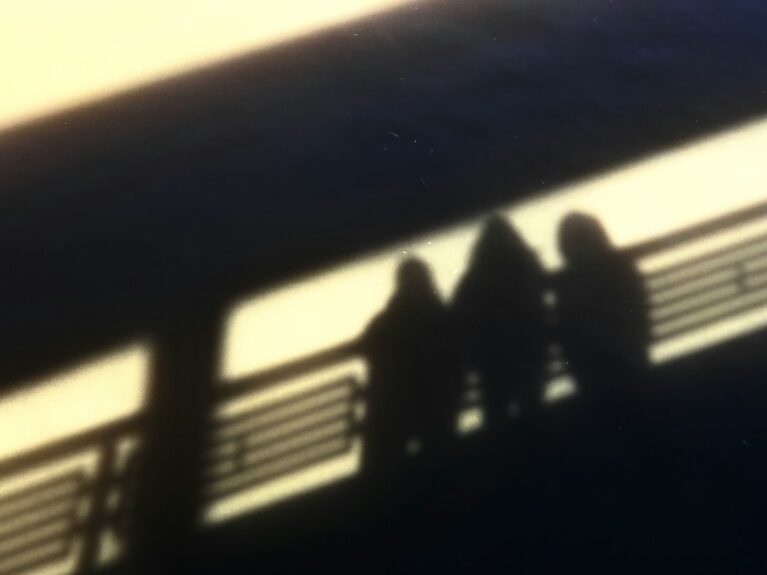
Initially, I didn’t question the generous-foreign- uncle story, and it’s the one Mandy Sayer went with in her 2022 biography, ‘Those Dashing McDonagh Sisters’. There are a few reasons, however, why the story doesn’t add up, but you have to dig into the archives to find them.

Finding Szpilki
I grew up before the new internet, before social media stole my attention
from me. But now, for an indiscernible reason, the old internet calls to me
once more.
The editress
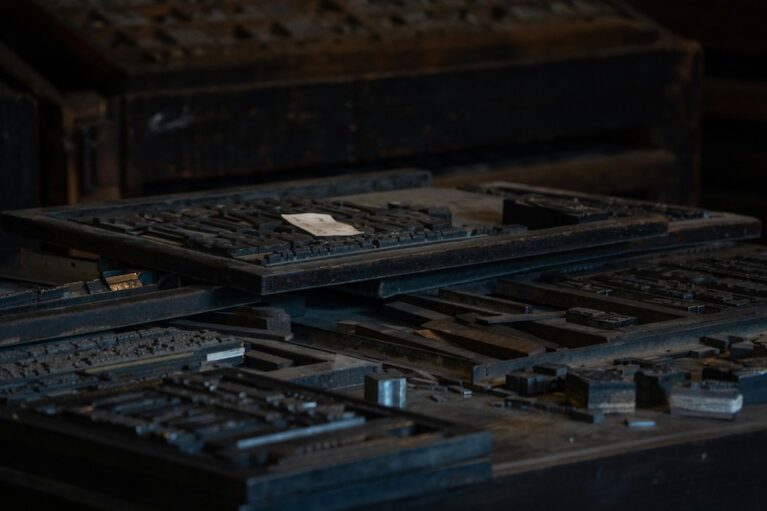
At a time when women were confined to the gossip columns of the major mastheads and their hardships were reduced to comic-strip jokes, Louisa offered her women readership something truly radical – a chance to be taken seriously.
Stone secrets
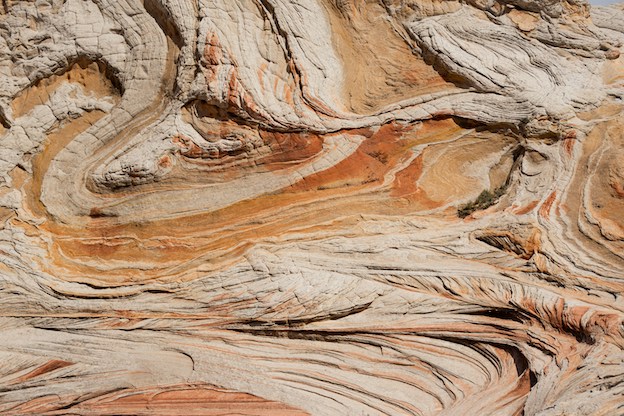
Even as we gaze into the wondrous night sky in all its mystery, rarely do we take the time to wonder: what does it mean to live on an ancient planet, an Earth that keeps a careful archive in its bedrock?
Slapton Sands
You’ll also find a Sherman tank overlooking the water. Stay with me.
Slapton Sands is not that easy to get to if you don’t have a car – the nearest railway station is Totnes, a three-hour train ride from London, and from there it’s a bus to Kingsbridge and another to the Sands. When you arrive, you’ll find that the beach is actually made of pebbles, but that’s not important right now.
You’ll also find a Sherman tank overlooking the water. Stay with me.
Slapton Sands is not that easy to get to if you don’t have a car – the nearest railway station is Totnes, a three-hour train ride from London, and from there it’s a bus to Kingsbridge and another to the Sands. When you arrive, you’ll find that the beach is actually made of pebbles, but that’s not important right now.
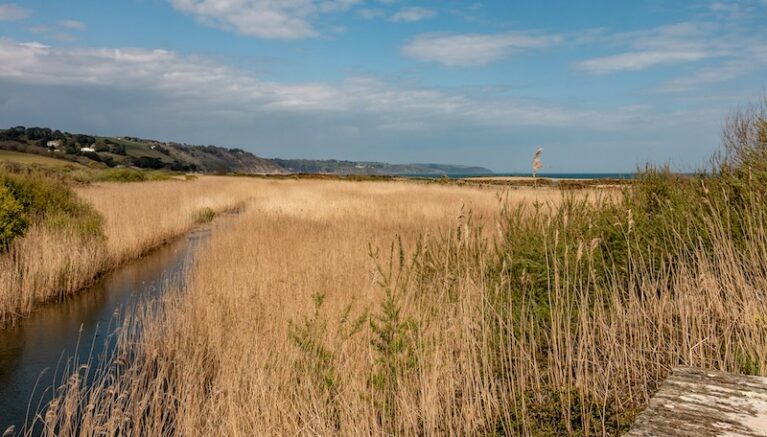
You’ll also find a Sherman tank overlooking the water. Stay with me.ON THE SOUTH coast of the United Kingdom, in the county of Devon, there’s a triangular sprawl of land that juts out into the English Channel. At its southern tip lies the wealthy sailing town of Salcombe, where a latte costs as much as it does in Shoreditch, and in peak season you’ll queue down the cobbled street for half an hour to get it. Approximately thirty miles up the coastline, there is one of Devon’s most deprived conurbations, Torquay, which sits at the heart of an area known without irony as ‘the English Riviera’. Halfway between the two is Slapton Sands.
Slapton Sands is not that easy to get to if you don’t have a car – the nearest railway station is Totnes, a three-hour train ride from London, and from there it’s a bus to Kingsbridge and another to the Sands. When you arrive, you’ll find that the beach is actually made of pebbles, but that’s not important right now.
You’ll also find a Sherman tank overlooking the water. Stay with me.
Gut feeling
A little while later, the judge leans her head on her hand and says, Mr Brain, were you touching their breasts as part of your Christianity, or were you just touching their breasts?
I sit up straighter, as though ready to stand for the first hymn.

Mirror, mirror
I have lost my face. This is not a metaphor; I no longer recognise myself in mirrors. I know the facts: I’m wearing the face I’ve always worn, the same muscle, the same scaffolding of bone – but recognition is a different order of knowing. My sense of kinship is gone. I stare and a stranger stares back.
Bad teeth
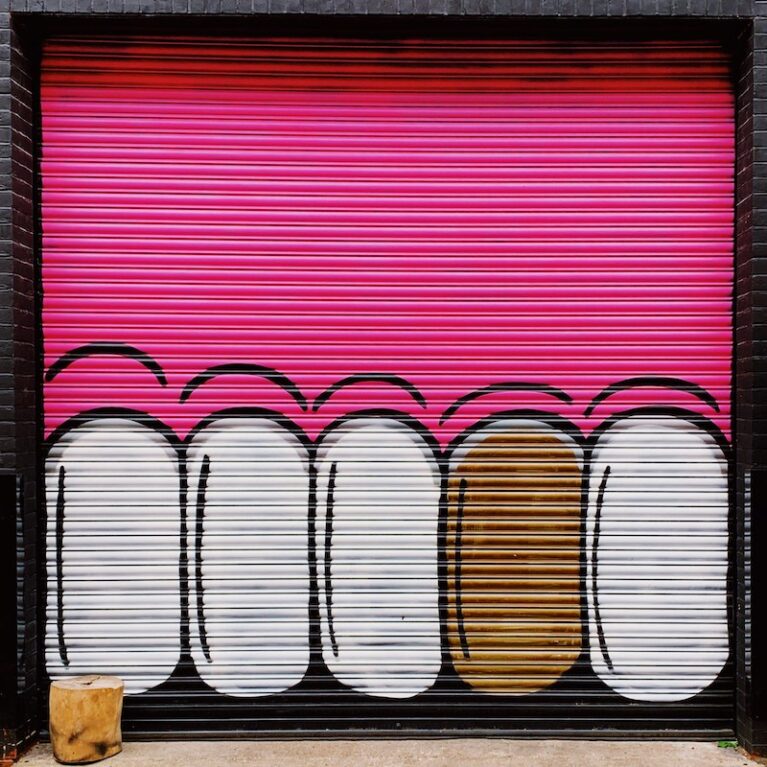
I have my own serious questions: what’s the truth about teeth? Teeth can be a vessel for so many things we want to believe in – whether those things are lies (imaginative or otherwise) or the truth is irrelevant. Teeth can go from magical to mundane in an instant. From beautiful to ugly, from correct to wrong and back again.
Herbert or Harry?
While living creatures also die, go extinct and at times evolve into something else entirely – just as the built environment eventually disappears – it seems a stretch to suggest that the significance of other creatures depends only on our relationship to them – on what they provide for us, whether as resources or a source of personal awe and emotional resilience.
