Portrait of the artist as an archive

On Coetzee and control

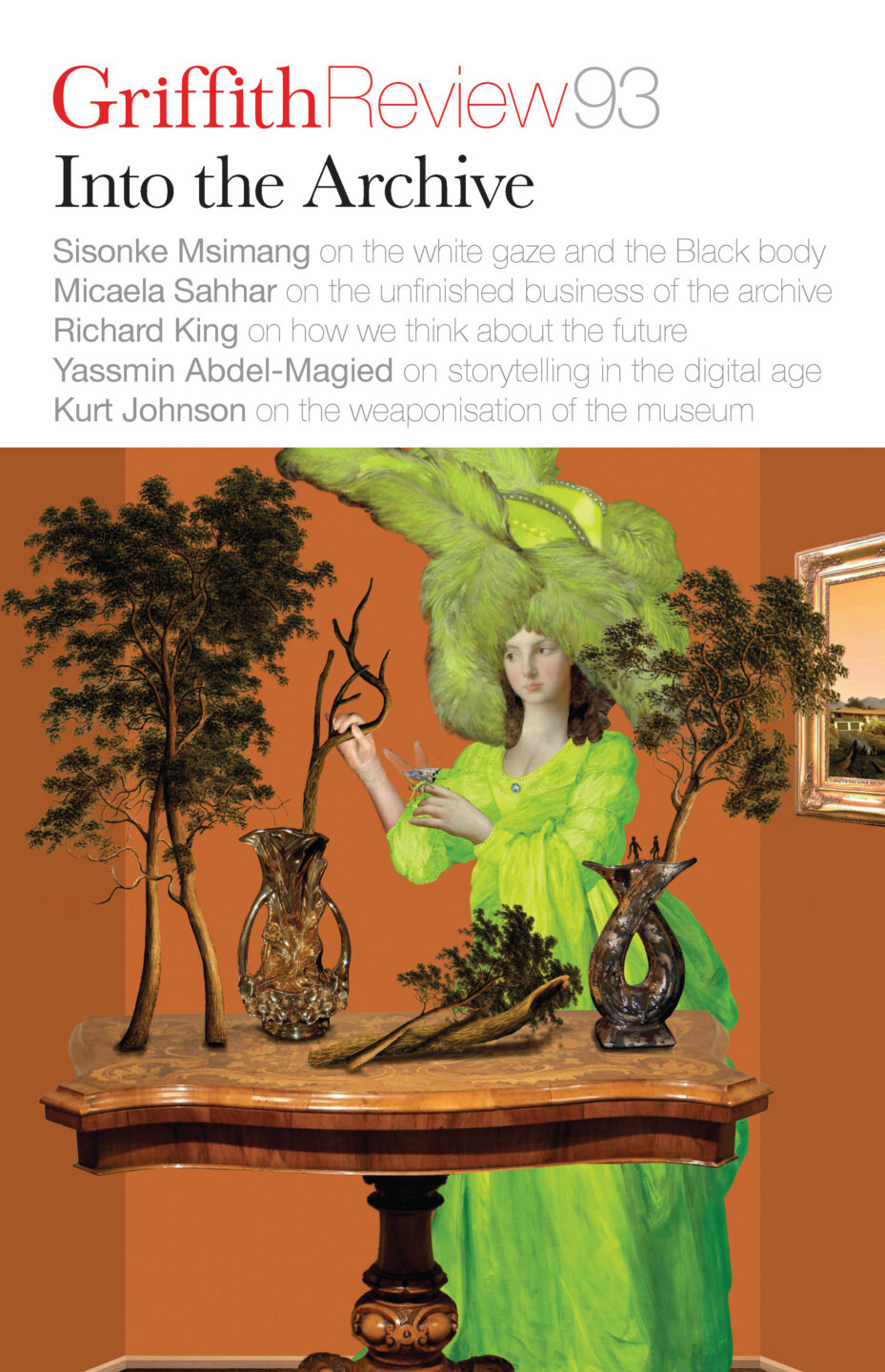
Featured in

  • Published 20260804
  • ISBN: 978-1-923213-22-7
  • Extent: 196pp
  • Paperback, eBook, PDF

I BEGAN TO hate JM Coetzee during the month I spent in his archives.

It was January 2015 and the archives were still relatively recently opened, acquired in 2012 by the Harry Ransom Center at the University of Texas at Austin. Other scholars who had visited were abuzz with enthusiasm. They talked about the archives in reverent tones, as though they contained the key to the great man’s writing. I knew already that I did not have the proper attitude to work seriously on Coetzee. At conferences, I was embarrassed and somewhat scandalised by the appeals to greatness. I had always been ambivalent about his writing, which I was working on not because I thought it expressed any particular genius (a concept of which I had always been taught to be sceptical), but, rather mundanely, because it supplemented the two other writers I had studied in my doctoral-­thesis-­turned-­first-­book.

Already a subscriber? Sign in here

If you are an educator or student wishing to access content for study purposes please contact us at griffithreview@griffith.edu.au

Share article

About the author
Alys Moody

Alys Moody is an Australian scholar and writer, living and working in the US, where she teaches literature at Bard College, in upstate New...

More from this edition
Archival notes

Non-fiction THE FIRST ARCHIVES I engaged with were people in my family. My Uncle, who was a genealogy specialist, sat in a plastic chair at...
Finding Szpilki

Non-fiction ON AN ENTIRELY unremarkable day, in between posts about a baby announcement and a poorly disguised business launch, Instagram inexplicably suggests that I follow...
Lost eyes

Poetry My eyes are lost in the past. I am hiding in my past, your past, my great-grandfather’s past. Our lost past. Hiding in this past is...

Stay up to date with the latest, news, articles and special offers from Griffith Review.