
Featured in
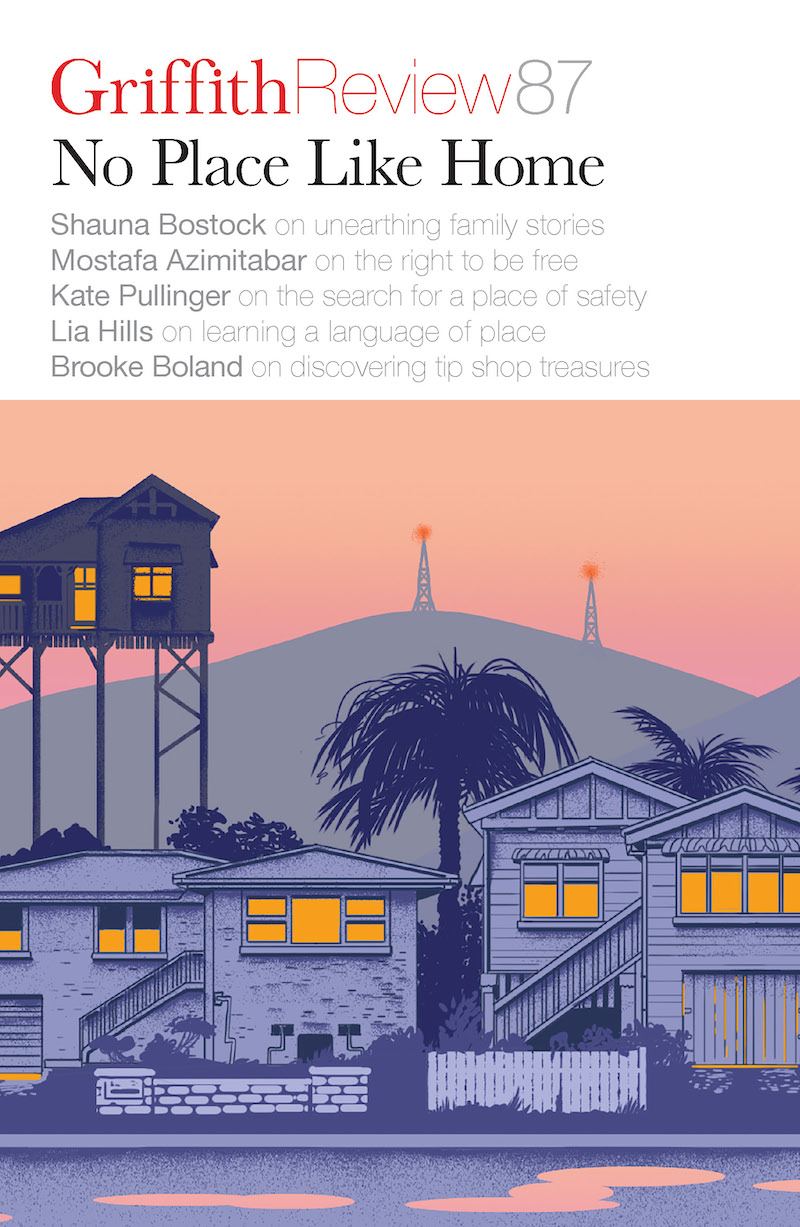
- Published 20250204
- ISBN: 978-1-923213-04-3
- Extent: 196 pp
- Paperback, ebook. PDF

Already a subscriber? Sign in here
If you are an educator or student wishing to access content for study purposes please contact us at griffithreview@griffith.edu.au
Share article
About the author
Toby Fitch
Toby Fitch is poetry editor of Overland and a lecturer in creative writing at the University of Sydney. He is the author of eight...
More from this edition

Songs of the underclasses
Non-fictionDiē was the best driver I knew. ‘When you drive, you stare at everything but see nothing. You’re inexperienced,’ he lectured. ‘When I drive, I stare at nothing – I can chat, I can sing. But I see everything. Parking spaces, jaywalkers with a death wish, doggies and kitties. And for hours at time, without breaking concentration. It’s like meditation.’ Diē’s love language included showing me footage of near-miss traffic incidents on WeChat. Each trip of ours decreased my risk of appearing in his feed. These hours became the most time we had ever spent together.
Load
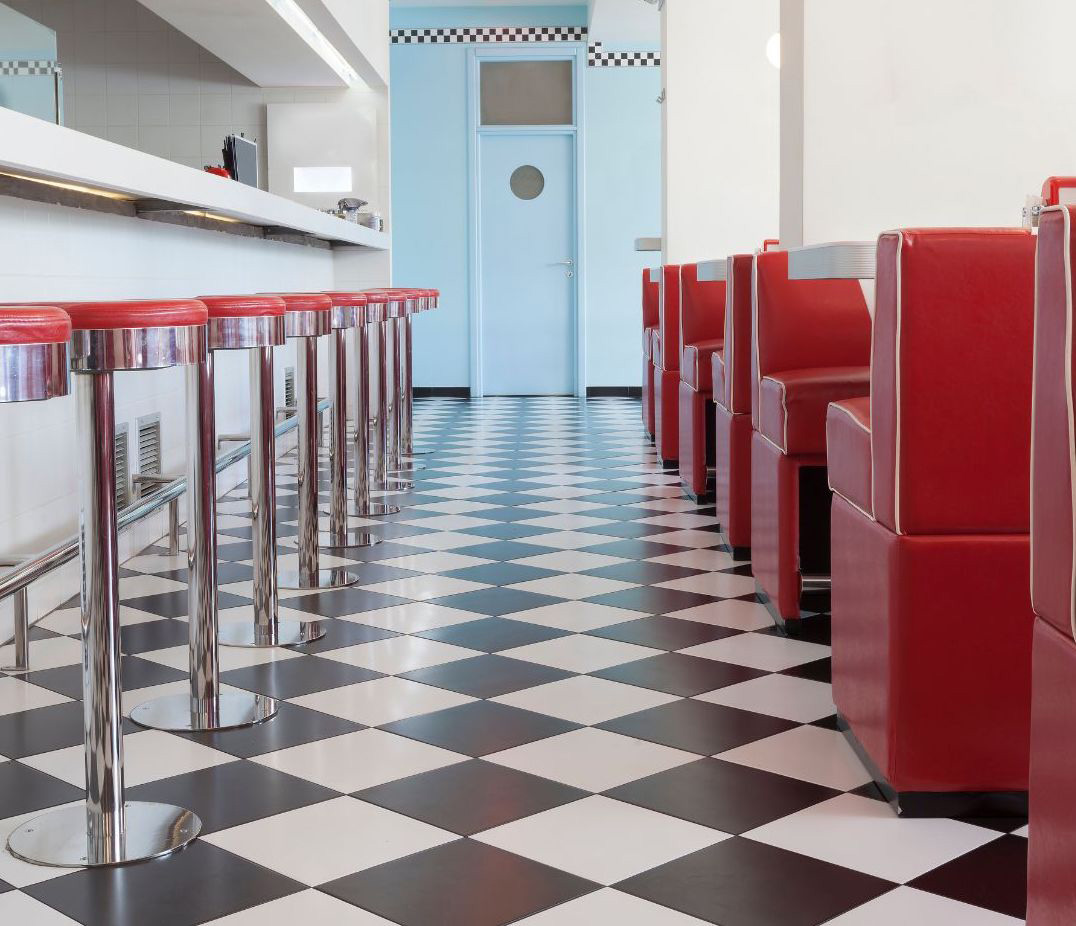
FictionWhen I wake up from being a dishwasher, curled on the floor of my apartment, it’s like I have woken from the perfect slumber. I don’t think I have felt like this since the womb. Imagine being able to temporarily kill yourself. The world, the body, weighs heavy. Being a dishwasher is the closest I have ever felt to bliss. Before this, the closest I got to bliss, true bliss, was getting high with my dad and eating a cream corn and cheddar toastie at the Murchison Tea Rooms.
Painting behind bars
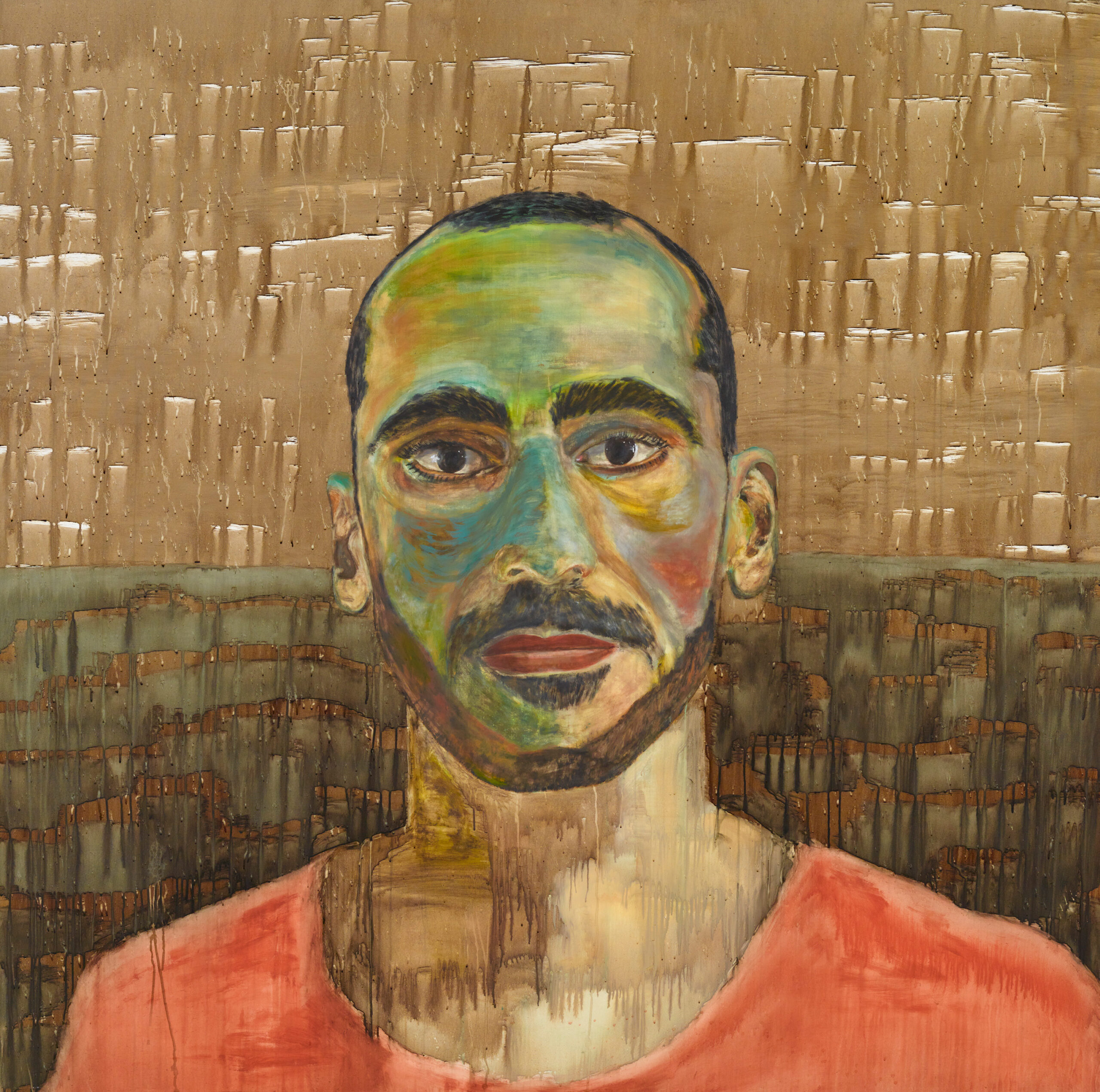
In ConversationEvery time I grab a toothbrush, it makes me smile that [this all began] at Manus. I mean, this technique comes from suffering. This is not from university. I am forbidden from studying or getting a qualification here, but sometimes we can learn from suffering. I am managing to heal my trauma [with] painting. Whenever I feel sad, I paint. Whenever I feel happy, I paint. It’s like a treasure, how can I explain it? It’s invention, it’s something that hasn’t happened before. Everyone uses a toothbrush, but when I paint with a toothbrush I feel it helps me understand that my work, the marks I make, are very unique. It brings the story back. I don’t want people to forget about the story because I don’t want to escape from who I was, who I am. I would like to share the truth that this happened to me.
