
Featured in
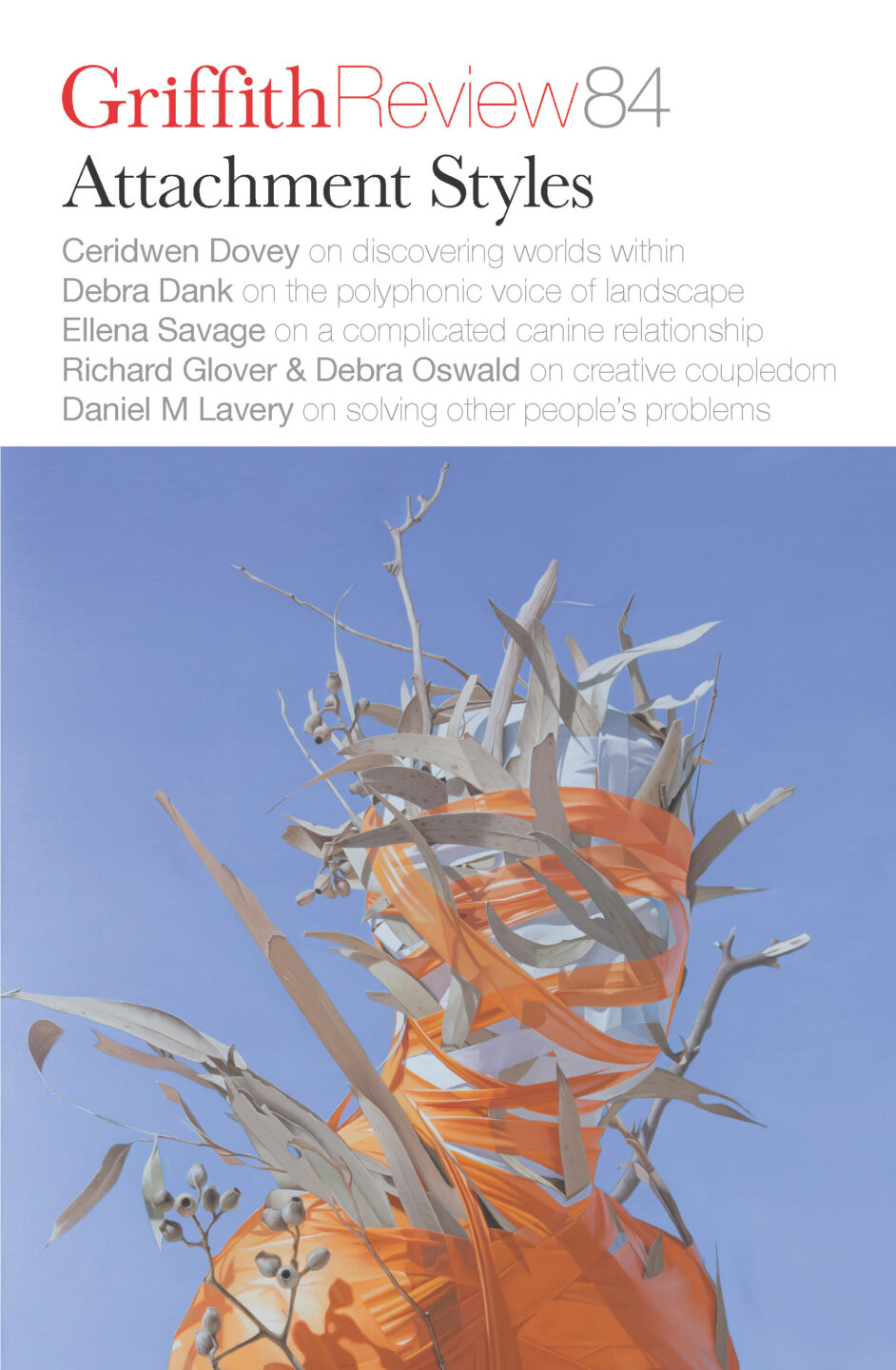
- Published 20240507
- ISBN: 978-1-922212-95-5
- Extent: 203pp
- Paperback, ePub, PDF, Kindle compatible

Already a subscriber? Sign in here
If you are an educator or student wishing to access content for study purposes please contact us at griffithreview@griffith.edu.au
Share article
More from author

Five million years on the right side of history
Whether ‘Anthropocene’ is confirmed as the title of our present remains to be seen. And yet, while few agree on what defines our epoch, there is a general sense that it should be defined; that correct periodisation will help us fix the mess we’re in; that even if those with power aren’t listening to the scientists and the critics, someone else is.
More from this edition

Lincoln Wimbley writes a story at 37,000 feet
FictionThen last week, in that bar. Lincoln never a big bar guy. But Professor Tim suggested, ‘Get out in the world!’ Somewhere all new. So, a bar. The bartender asked, ‘A beer?’ Lincoln hated cans. Hated bottles. Hated beer. But asked for something on draft. On tap. Explained why he was there, a first-timer, hunting for a story. Bartender laughed. Said elsewhere’s probably best. ‘None of the sad sacks here come with a happy ending.’

Black love matters
Non-fiction I WOULD LIKE to love my mother without feeling, to perform the rituals and duties of filial care without the risk to heart of hurt. Mine,...
Getting attached
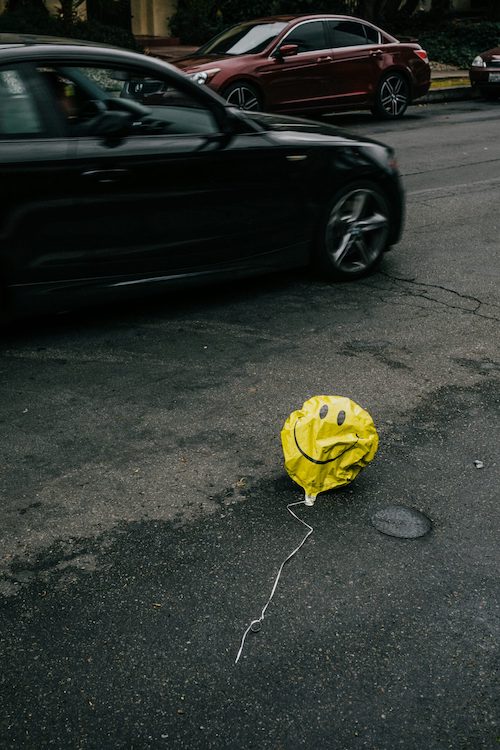
IntroductionMore than fifty years after Larkin lamented the emotional inadequacy of generations past, we’ve equipped ourselves with an extensive vocabulary with which to characterise, analyse and diagnose our relationships with ourselves, with others, and with the places, objects and ideas that shape our sense of who we are and who we wish to become. Yet still we face the same old set of conundrums: from parasocial connections and fractious family politics to the solace we seek in non-human entities, our myriad attachments continue to offer us comfort and complication in equal measure.
