
Featured in
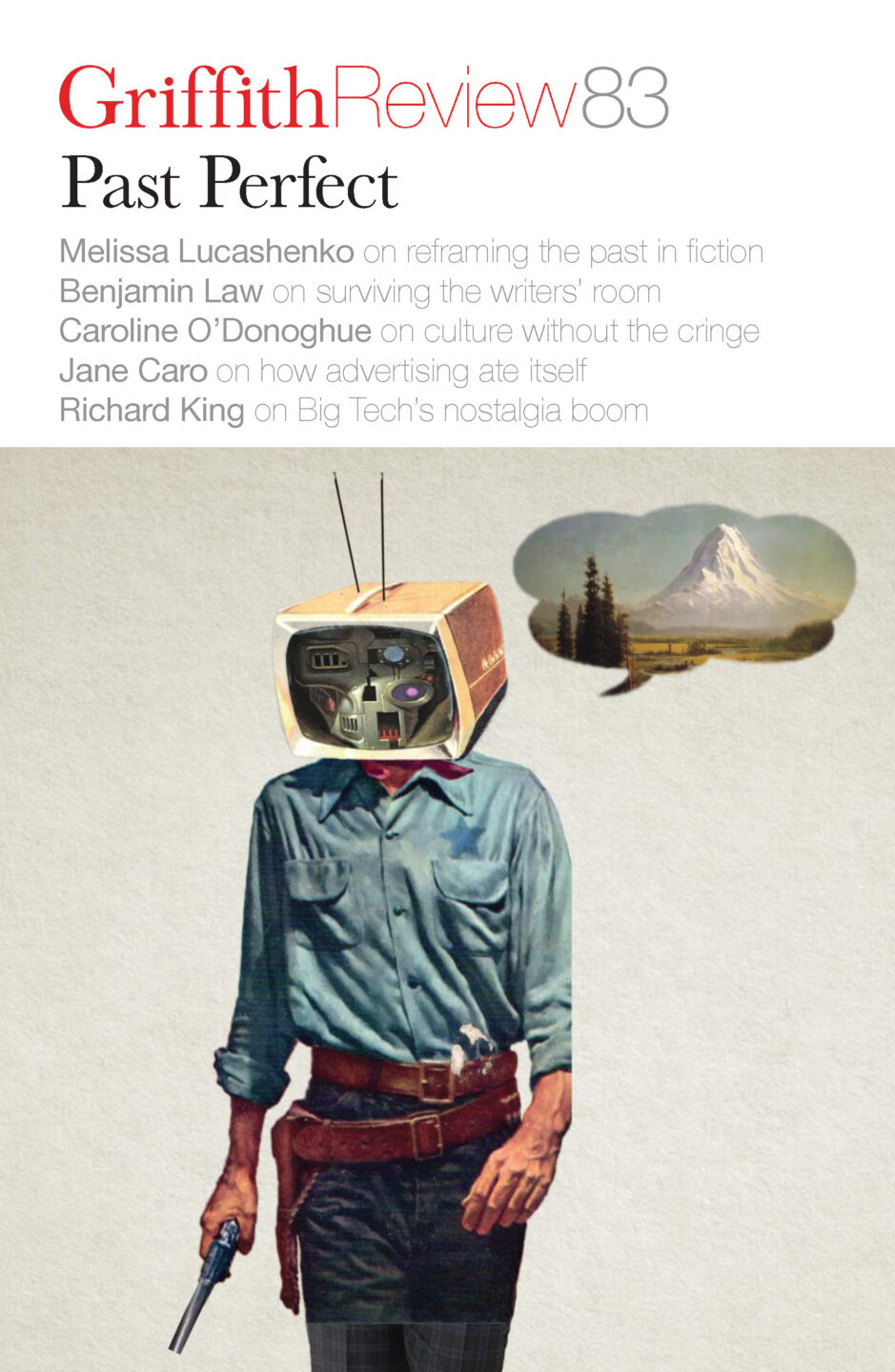
- Published 20240206
- ISBN: 978-1-922212-92-4
- Extent: 204pp
- Paperback, ePub, PDF, Kindle compatible
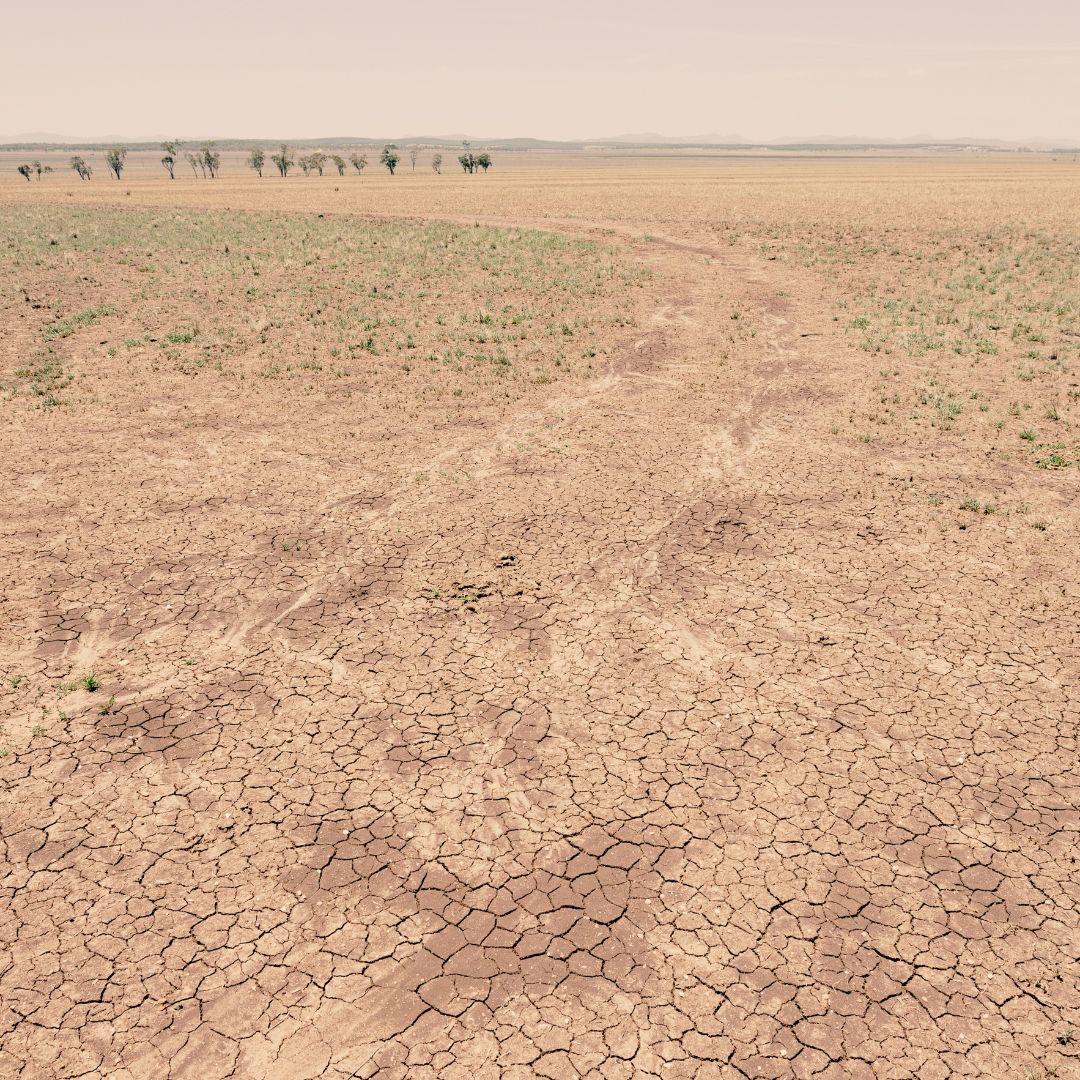
The first roll I developed,
with its saturated drought-skin
landscapes, spliced
my hometown into a sepia
I could almost swallow.
Five sheep and a fence line –
overexposed spinifex –
Dad’s face in a motorbike mirror –
before. I had been starving,
and the ritual stuck.
Roll by roll. Grain by grain.
Sometimes, when I’m tired
of my own eyes,
I slip the lens cap into my pocket,
its hard little circle
pressing into my hip
as I walk this big soft circle earth
incompletely.
I need to shear my experience of everything
but its texture. Cauterise the moment.
The cattle grate –
the kangaroos –
the manic flick of crickets
in the waterless tank.
History is a heavy handful
and a sore neck, but it
is safer than memory.
You don’t see their little fried bodies.
Only the jump.
Share article
About the author
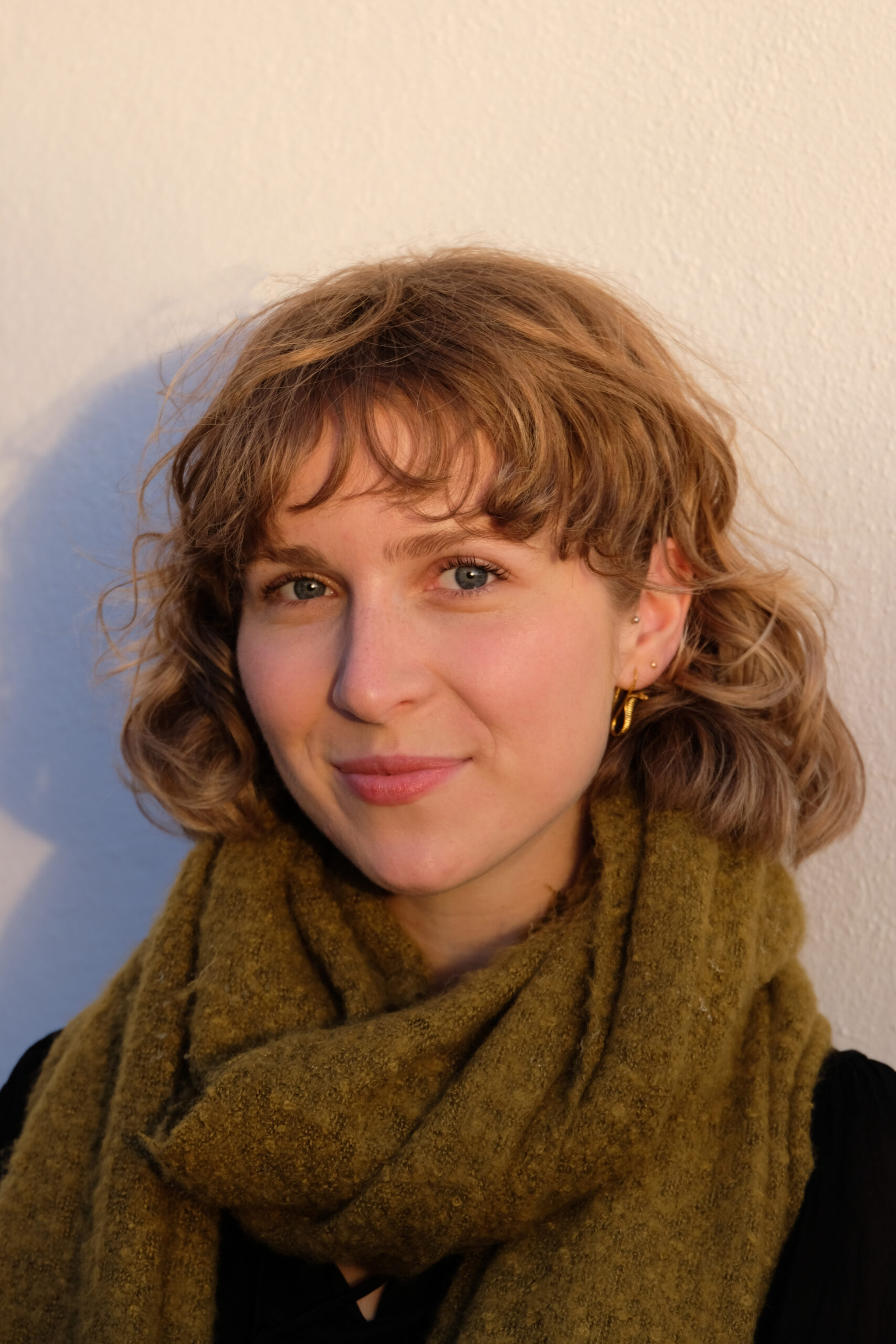
Alisha Brown
Alisha Brown is a poet and traveller born on Kamilaroi land. She won the 2022 Joyce Parkes Women’s Writing Prize and placed second in...
More from this edition
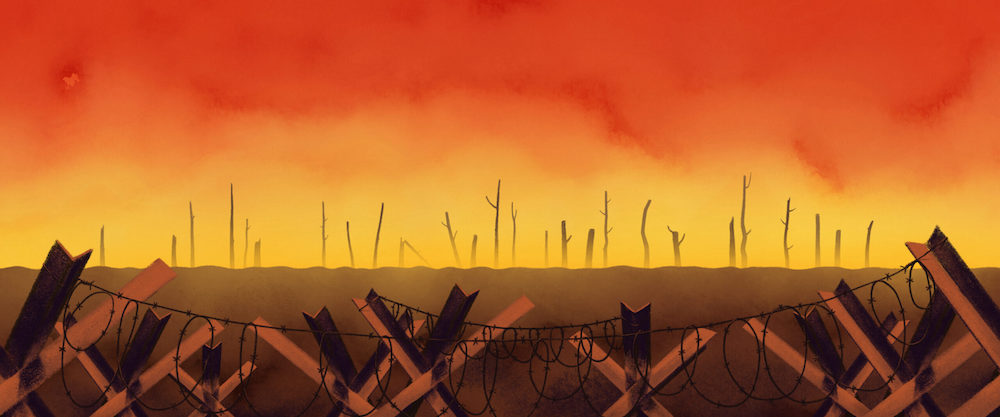
Glitter and guts
Non-fiction RIGHT NOW, I am obsessed with the past. My debut novel is finished and ready for publication, and I am wrestling with the fear...

The kiss
FictionThe name, when it came, sounded as if it had been uttered by somebody else. The man’s look shifted from one of mild affection to puzzlement. ‘Excuse me?’ He was still smiling, but it was a different kind of grin – the type of smile people offer a stranger who begs them for spare change.
The ship, the students, the chief and the children
Non-fictionThe power of the fossil-fuel order depends on foreclosing any kind of political and institutional decisions that would see societies break free from the malignant clamp of coal, oil and gas corporations. This power also depends on eliding alternative ways of seeing. In one sense, the whole of the political struggle against climate change can be understood as an effort to make corporate and political decision-makers see, such that they are required to act.
