
Featured in

I GREW UP on a steady diet of fantasy novels. Anything vaguely Arthurian was my jam. By the time I was fourteen, I had read the back catalogues of Stephen King and Dean Koontz, memorised the Mills & Boon colour-coding system and could hold my own in any The Hitchhiker’s Guide to the Galaxy conversation. As a Canadian, I was accustomed to wandering into any bookstore to find the latest Julia Quinn, Charlaine Harris or Robert Jordan novels. Moving to Australia in 2005 was an enormous shock to the system. Not only was I unable to find the latest Julia Quinn novel, I couldn’t find any Julia Quinn novels. Australian bookstores offered a couple of Ursula K Le Guin novels and maybe a George RR Martin if I was lucky. To me, Australia was the land that genre fiction forgot.
Things have changed in the two decades since. The combination of the pandemic, the explosion of romantasy and #BookTok, and the general effects of watching the world end in real time have demonstrated the economic value of genre publishing. This is partially owing to Australian rural romance (RuRo) authors. RuRo writers walked so that this current crop of Australian romance and genre fiction writers could run. Beginning around 2005 with the reprint of Rachael Treasure’s 2002 novel Jillaroo, Australian RuRo dominated local sales through the 2010s. These incredibly successful books also drove innovation in other spaces. In fact, a direct line can be drawn from the rise of RuRo novels to the success of Jane Harper’s The Dry and the subsequent rural crime boom.
What made these books foundational is that they were written, published, marketed and circulated in ways that leveraged their ‘Australianness’. Australian writers could write stories for themselves and other Australians, though it is important to note that this subgenre relied heavily on a very specific ‘Australianness’; criticism can (and has been) levelled against its thin, white, straight, cisgender, able-bodied version of the rural Australian experience. While commercial success can keep the lights on in major publishing houses, it doesn’t necessarily translate to respect.
Genre exclusion is, in the most generous interpretation, systemic benign neglect built into the industry and its educational pathways. Historically, entry-level roles in publishing houses require a postgraduate degree. The industry is currently grappling with this artificial, self-imposed barrier and the ways it has homogenised the publishing workforce by favouring those able to take on significant debt, unpaid internships and a precarious, low-paying career. The postgraduate degree has also homogenised its curriculum, deeming certain texts more ‘important’ than others: literary fiction, poetry, narrative non-fiction, the ‘Western canon’. If the word ‘genre’ appears, it is typically referring to format rather than popular fiction.
Publishing students often come through an undergraduate degree in the arts before entering a postgraduate course. While their postgraduate coursework may mention popular fiction, it neither teaches nor rewards students who wish to explore this vital area of publishing. University courses in popular fiction are often taught at the whim of the lecturer and are not an integrated part of the curriculum. These courses implicitly support students who study ‘worthy’ texts: a student interested in Gerald Murnane will find their interests encouraged and celebrated. Meanwhile, students interested in Jodi McAlister or Garth Nix may experience less opportunities for meaningful engagement. Consequently, emerging publishing professionals – even those with an interest in popular fiction – have not been formally trained in its production, editing or marketing. They have instead, by osmosis, learnt what is respectable – what constitutes ‘real’ publishing.
Even those who are taking small steps towards genre can unknowingly betray their audience. Take, for example, this year’s Melbourne Writers Festival, which – to its credit – has been trying to extend its genre offerings. However, this year’s two genre panels (a panel on dark academia in romantasy and a panel on horror in First Nations literature) were programmed at the same time. These are two topics that have enormous audience crossover, but the ticket sales were split. When the post-festival evaluation is undertaken, will this context be taken into account or will the horror panel (which – pitted against stratospheric author RF Kuang – inevitably had a smaller audience) be deemed a failure and dismissed from further inclusion at the festival?
WHEN IT COMES to genre fiction, the Australian publishing industry is starting at a deficit. By refusing to publish local genre fiction, local publishers have forced Australian authors to seek publication with overseas publishers; by not stocking local or overseas genre fiction, readers have sought books from overseas retailers. Booktopia, established in 2004, is the exception, having made concerted inroads towards a genre audience from almost the beginning, such as publishing themed newsletters and stocking overseas titles. If local publishers want to expand their practice and benefit from a lucrative genre publishing market, they must first address the prejudice with which they treat readers and writers and admit to their own internal knowledge and experience gaps.
Publishing local genre writers is a good first step. There are editors and publishers in Australia who understand how to work with genre fiction (the scaffolding, the beats, the market and the trends), but we are few and far between. When publishing houses seek romcom or romantasy manuscripts without staff who possess the skills and experience to develop them in house, the publishing house is failing the author, the book, the reader and the industry. Relying on junior staff who are tapped into this community without ensuring they also have organisational support and professional development opportunities to build key skills and take on advanced work can contribute to intense stress and burnout. Relying on more senior staff who are not tapped into these communities and do not enjoy the work leads to poorly developed texts edited through the wrong lens. Both lead to reader mistrust. If Australian genre fiction novels are consistently below expected and established standards, then readers begin to associate all Australian genre fiction with subpar reading experiences. And genre fiction readers are spoiled for choice; they simply do not need the Australian industry in the way the Australian industry needs them.
This mistrust is compounded through marketing and sales. Consider the use of ‘Australia’s answer to Emily Henry’ as a tagline to market a local Australian romance in 2024. Emily Henry is a specific American author who writes a specific story; in many ways, Emily Henry is a non-romance reader’s romance writer. By using an established, superstar author as a comparison, not only are Australian authors being set up to fail, but publishers – unable to name suitable comparisons that better align with their book – are revealing their shallow understanding of the landscape.
IN AN ERA of deep literary crisis, a hierarchy of what constitutes good writing or good reading is akin to self-harm. Rather than guiding people towards works that might be deemed ‘worthy’, these attitudes are more likely to turn reluctant readers away from reading altogether. Genre fiction addresses the same concerns, themes and issues that literary fiction or non-fiction does, but within a different vessel. Anyone who has ever referred to romantasy as ‘fairy smut’ disregards the particularly pertinent trend of young people finding their own voice and power to fight fascist governments, corrupt religious institutes, toxic family expectations, hereditary monarchism, misogyny, homophobia, transphobia, racism and so much more.
Things are changing, especially as younger booksellers and editors come into the industry and established industry professionals feel brave enough to reveal their own secret genre reading habits. Isolated genre events have started popping up in places previously devoted to literary or non-fiction, and shows like Heated Rivalry have introduced new readers to the joy and hope that can be found in genre. However, there is a risk that – before we are able to make the necessary sweeping changes to clear the dust of our forebears – readers will have learnt the lesson that this industry teaches: Australia is no place for genre fiction.
This essay was commissioned and edited by Contributing Editor Jasmin McGaughey, thanks to funding support through the Copyright Agency Cultural Fund.
Image credit: Aung Soe Min via Unsplash
Share article
About the author
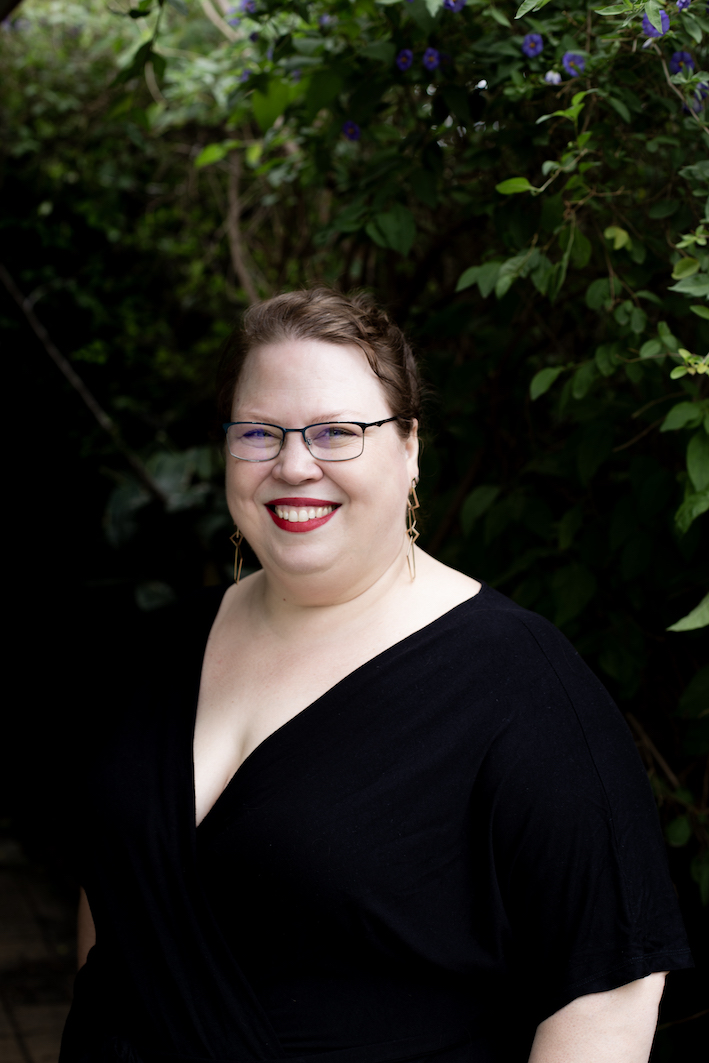
Kate Cuthbert
Dr Kate Cuthbert is a publishing industry consultant with 20 years experience across the sector. She has held senior roles at Books+Publishing, Pantera Press,...
More from this edition
