One hundred years of sumbiotude

Resisting the extinction of emotions

Featured in

  • Published 20200505
  • ISBN: 9781922268761
  • Extent: 264pp
  • Paperback (234 x 153mm), eBook

I AM A child of the Anthropocene, born in 1953. I have lived in a period of history also known as the ‘Great Acceleration’. The speed and scale of material change since 1953 is breathtaking, so much so that I sometimes feel I am a passive observer of this change, not a participant. I struggle to contemplate it all, bogged down within a form of magical realism where the uncanny, fantastic, disruptive and improbable weave in and out of what once was predictable phenology, the patterns and rhythms of life.

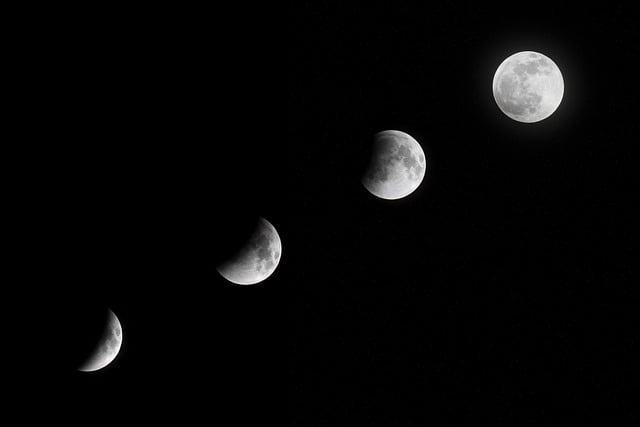
That foundational phenology – the phases of the moon, the Earth’s tilt and spin, the seasons, animal migration – is still with us, yet it is being warped and corrupted by the human power to change…everything. The normal and the ‘new normal’ are being replaced by the ‘new abnormal’, and this has powerful consequences for human physical and mental health. The new abnormal has seen the imposition of terrifying change in landscapes. Even as I write, in early 2020, wildfire has immolated huge swathes of Australia and continues to threaten many other communities, including my own property in the Hunter Region of New South Wales.

Already a subscriber? Sign in here

If you are an educator or student wishing to access content for study purposes please contact us at griffithreview@griffith.edu.au

Share article

About the author

Glenn A Albrecht

Glenn A Albrecht retired as professor of sustainability at Murdoch University in Perth, Western Australia, in June 2014 and is now an honorary fellow...

More from this edition

On looking into mirrors

Memoir YOU LOOK INTO the mirror. There are a number around the house and every now and then one of them becomes an attraction. Your...

Bold rage

Essay Do not go gentle into that good night,Old age should burn and rave at close of day;Rage, rage against the dying of the light.  Dylan...

Dying wish

ReportageI believe in my mother’s inherent dignity and personhood, although we became strangers to one another years ago. I try to remind myself that, while her illness may have overtaken her, it does not define her, no matter how long it keeps her imprisoned.

Stay up to date with the latest, news, articles and special offers from Griffith Review.