
Featured in
THE WRITERS’ STRIKE meeting at Égalité magazine is not going well.
The writers are owed money, and the unpaid invoices are piling up. These characters have gathered to figure out how to get paid and have a few ideas for tackling the problem. Someone suggests relocating operations to Kenya to slash costs. Another writer proposes campaigning for a Universal Basic Income. A third offers to write a grant application – for what, exactly, is unclear, since the magazine operates on a shoestring and is guided by ideological purity. The magazine has approximately zero dollars for any of these plans. Everyone in the room knows this. The schemes and conspiracies for collecting what they’re owed keep coming anyway.
Vivek, the magazine’s co-editor, watches the chaos unfold. He can trace every line of complicity: the magazine’s reproduction of capitalist relations while it simultaneously preaches against them; the way this very meeting performs solidarity and enacts powerlessness. While his analysis of the situation is precise, it doesn’t help. Nobody in this room built the situation they’re in. It arrived before them – the politics, the debt, the publication running on empty. They inherited it. And now, with no good options and approximately zero dollars, they’re trying to make something out of it anyway.
This is The Ruiners, Ellena Savage’s debut novel. The title itself sounds like a pointed finger – someone ruined something. But the truth is, nobody in the novel chose to ruin anything. Things arrived already broken. The title isn’t about wrongdoing. It’s an identity label that doesn’t quite stick. Pip, a twenty-nine-year-old waitress, tries to buy her way out of a broken system with inherited money before finding the same structure waiting for her in Fokos, an anti-utopia with an illegal landfill site. Vivek tries to maintain something he believes in, using a politics that predate the conditions he’s actually living in. Sasha tries to think his way through the emotional damage he can’t quite truly feel. None of it works. But they’re all genuinely trying.
The Égalité scene from the novel is memorable because it’s not trying to be satire. This is what meetings actually look like when unions have been systematically defanged, when left-leaning organisations reproduce the exploitation they oppose, when everyone can diagnose problems with perfect sophistication and yet no one has the power to fix them.
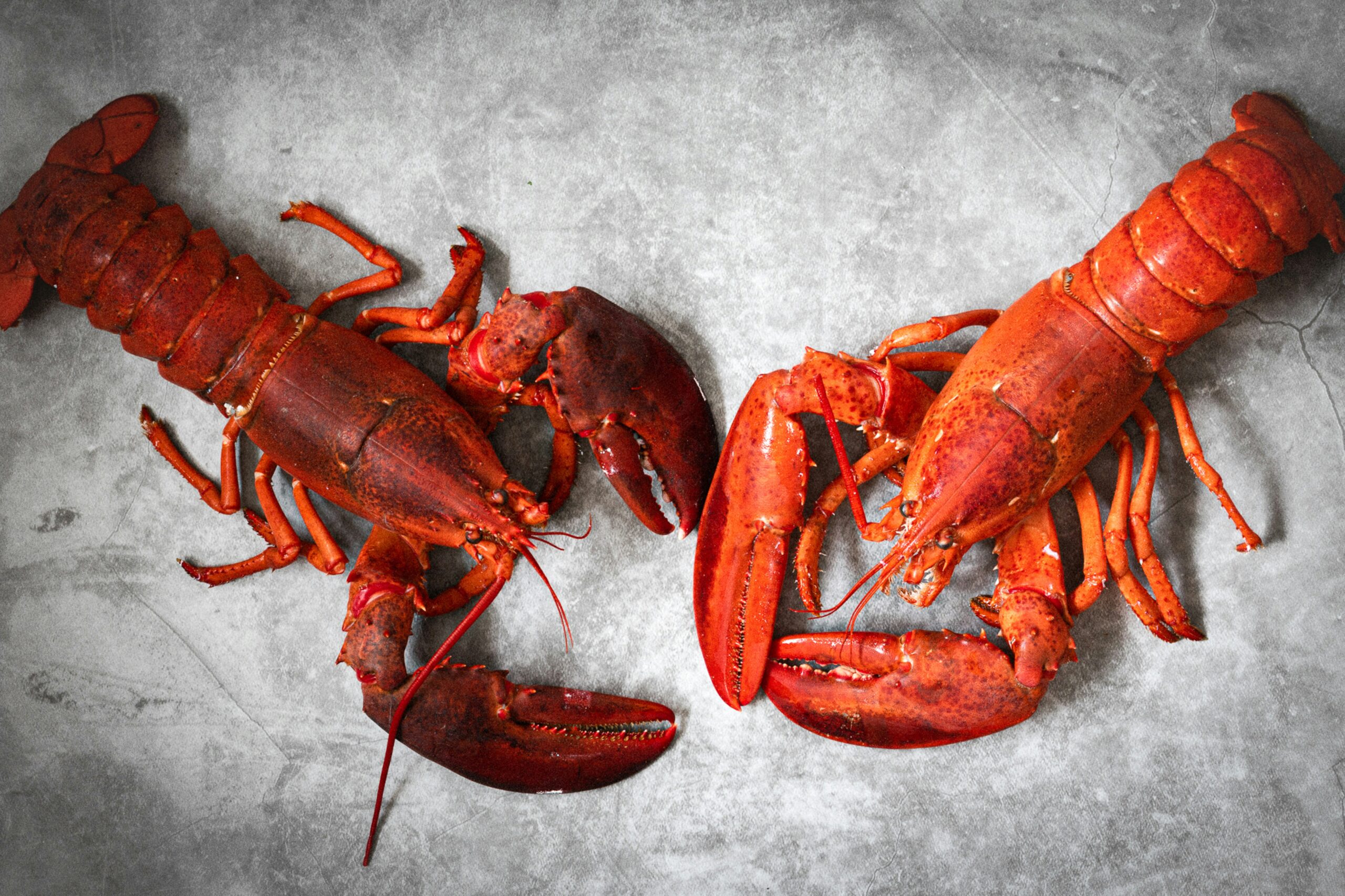
YOU DON’T CHOOSE an inheritance. It’s given. Pip is handed money – a temporary stopgap rather than long term security. Vivek is given a set of politics – the shape of something that used to work, hollowed out by conditions it wasn’t designed for. Sasha tends to a broken capacity for connection – something he inherited and can’t quite repair. The lobsters that appear throughout the novel try to live in water poisoned by humans. Inheritance is supposed to transfer accumulated value, but every inheritance in The Ruiners burdens the characters with the curse of accumulated damage. And yet everyone keeps trying to make something out of it. What else can they do?
What Pip inherits – like so many of us – is the gap between what we’ve been promised and what we actually get: accumulated damage dressed up as accumulated value. Nobody designed it this way deliberately. It just happened. And people are trying to work within it anyway – enrolling in arts degrees despite the cost, making creative work despite the sector shrinking, writing about problems that don’t get fixed. The average Australian writer earns $18,200 a year. One in four humanities students will spend more than twenty-five years repaying debt for degrees the government call abject failures. Each Australian loses $11,000 annually to productivity paralysis alone. The solutions are known. In spite of this, damage accumulates where value should compound. People keep trying.
WHAT WOULD IT look like if things were different? Savage describes her ideal world as one ‘where the value of creativity was not assessed against the metrics of excellence, institutional legibility, or professional viability’ – where artists ‘did not feel compelled, out of the threat of poverty or social disgrace, to professionalise’. This setup, she acknowledges, ‘would involve a cultural revolution’. Unfortunately, the cultural revolution hasn’t materialised, and Savage’s novel shows what we’re left with instead: performing professional success while barely surviving financially.
The gap between who we are and how we present ourselves to the world is nothing new. The Ruiners is part of a lineage of novels in which money problems and political awareness can’t be separated: Vincenzo Latronico’s Perfection, Jenny Offill’s Dept. of Speculation, Deborah Levy’s Living Autobiography series, Annie Ernaux’s The Years. What they all have in common is the idea that awareness doesn’t save you, moving countries doesn’t solve your problems and critical consciousness becomes just another thing you perform.
What makes The Ruiners distinctive is its exploration of labour conditions inside left-leaning media. Savage has found a way of writing that gets deep inside the self-inflicted trap. Vivek investigates an illegal landfill contaminating the air and water and killing marine life. Everyone knows about it. Local residents have documented it for years. Vivek eventually publishes a prize-winning exposé in The Washington Post. The corruption is out in the open. And yet the toxic waste keeps burning.
The novel doesn’t treat the landfill as a symbol but as a fact: documented, understood, unstoppable. The contaminated lobsters that crawl from the poisoned sea become the novel’s central image. Marina knows her family’s landfill is poisoning the water. She can’t stop it. So she rescues lobsters instead. Installs aquariums. Watches them die within days. Collects more.
The lobsters can’t understand landfills, corruption or profit, but they experience contamination and death. This is what a novel can expose that journalism can’t: not just that workers are dying or environments are being destroyed but also what dying looks like before language kicks in – the raw fact of bodies being harmed.
Savage has said that ‘learning to tell the truth is a way of growing up’. The characters in The Ruiners have learnt to tell the truth about themselves with brutal detail. They understand the problems they face completely. But understanding doesn’t equal power. The systems they’re trapped in are simply too large for one person to dismantle. Sometimes knowing the truth means nothing more than watching yourself make the same mistakes with better self-commentary.
WHEN YOU LIVE with financial instability, work that’s interrupted and happens in bursts around the edges, your relationship to creativity fundamentally changes. The romantic narrative of the artist – pouring everything into their work, sacrificing stability for vision, trusting the long arc of an infinite, winding career – assumes that the artist has stability, time and freedom from financial anxiety. Savage’s work acknowledges what creation actually looks like without these luxuries.
The act of making becomes smaller every day – creation becomes something you fit around day-to-day survival. You’re working jobs that don’t pay enough, so you’re exhausted. When you’re exhausted, you have no mental energy left to make anything. Art doesn’t get made despite these conditions – it gets made within them and is shaped by them. What looks like fragmentation or incompleteness is actually rigour. Under these conditions, sprawling ambition isn’t possible. What’s possible is this: the dignity of making what you can, when you can, with what you have. Opportunities will dry up or disappear if you wait. Art either gets made or it doesn’t. And time doesn’t wait for better conditions.
From individual debt to national paralysis, we see the same dynamic playing out on different levels. But understanding doesn’t mean we have a clean escape route. This is what Savage shows: not that we lack awareness but that awareness without structural power just means watching the chaos unfolding. In the end, what we do with the knowledge we gain – how we relate to each other inside the trap – might be all we have. If you’ve ever sat in a meeting that goes nowhere, if you’ve ever moved countries thinking geography would solve structural inequality, if you’ve ever analysed your own trap with perfect clarity while remaining caught in it, this novel will feel uncomfortably familiar. Not because its characters offer solutions (they can’t or won’t), but because it stops asking you to pretend that understanding the problem inside-out means you’ve solved it.
What The Ruiners offers isn’t salvation or resolution. Instead, it offers recognition of what we were given, of what we tried to make of it, of the ever-growing gap between two realities. Nobody’s to blame for the chaos. But we’re all inside it, trying. The question isn’t whether the conditions can improve over time but rather what you can do with your hands in the meantime, and what someone else is left with after your turn is done.
Image credit: Monika Borys via Unsplash
Share article
About the author
Nathania Gilson
Nathania Gilson is a writer, researcher, and editor. She has worked across literary publishing, digital media, and editorial platforms for over a decade.
More from this edition
