
Featured in

- Published 20241105
- ISBN: 978-1-923213-01-2
- Extent: 196 pp
- Paperback, ebook, PDF
Though he lives in a rundown unit
above a busy intersection,
the pyjama man
imagines that the sounds of the traffic
are the waves of the ocean.
It is not automobiles
that are passing by his window;
it is the crashing of waves into the shore.
He finds the sound of the ocean therapeutic
and becomes a man of peace.
His friends tell him it is the traffic,
the relentless sound of the traffic,
that has driven him mad,
that has caused this fantasy.
Their negativity
makes him even more determined
to believe the delusion.
Share article
About the author

Damian Balassone
Damian Balassone’s writing has appeared in a variety of Australian and international publications, including The New York Times, The Australian, Light, Abridged, The Spectator,...
More from this edition
A cynic’s guide to unbelief
Non-fiction THE TITLE OF this article is misleading – because I don’t know anything. This is important to note in case you are here thinking you...

Palio De Siena
Poetry In the Tuscan city of Siena for seven hundred years this annual race has run to settle rivalries between citizens of its seventeen contradas,municipal divides of this medieval city...
Gay saints
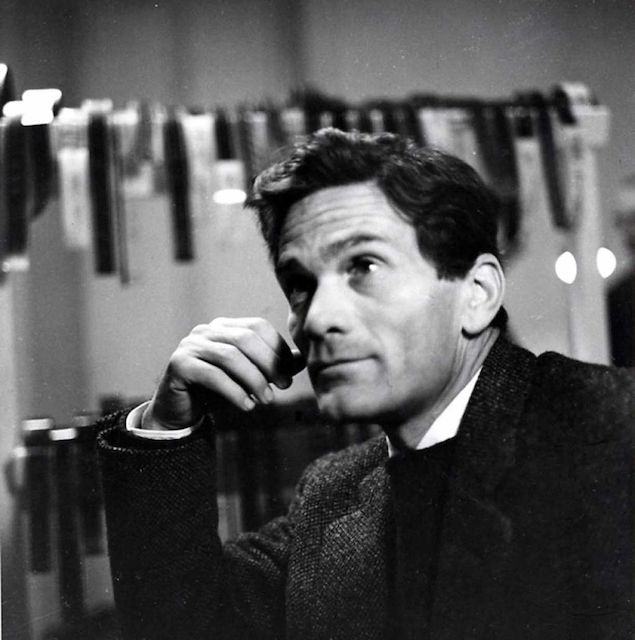
Non-fictionWhat is it that makes cinema, for Pasolini, sacrosanct? The answer lies in his affinity for a painter who made only one fresco. Not only was Caravaggio’s reputation restored by Pasolini’s teacher and mentor, Roberto Longhi, but Caravaggio and Pasolini have the same taste in men. Swarthy, young and savage – as likely to sit for a portrait or engage in a bit of sloppy top as to stick a knife in your ribs. You wouldn’t want to run into his John the Baptist in a dark alley (unless maybe you would). It is not just the revolutionary psychology of Caravaggio’s painting that speaks to Pasolini but his selection of subjects – his sacralisation of the scorned, the unclean, the seething subproletariat both created and rejected by an indifferent urban landscape; Caravaggio’s ‘new kinds of people’.
